
Last updated November 15, 2026
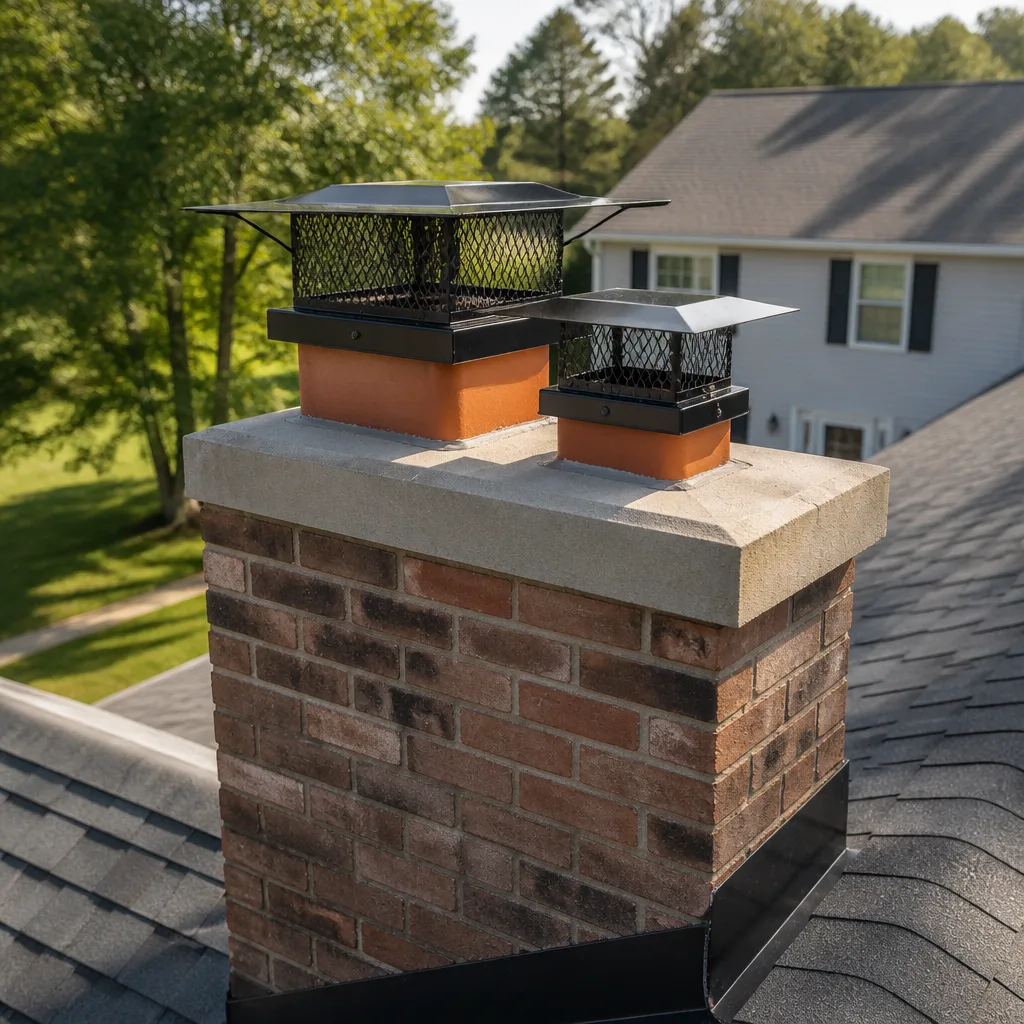 Sweep & inspection
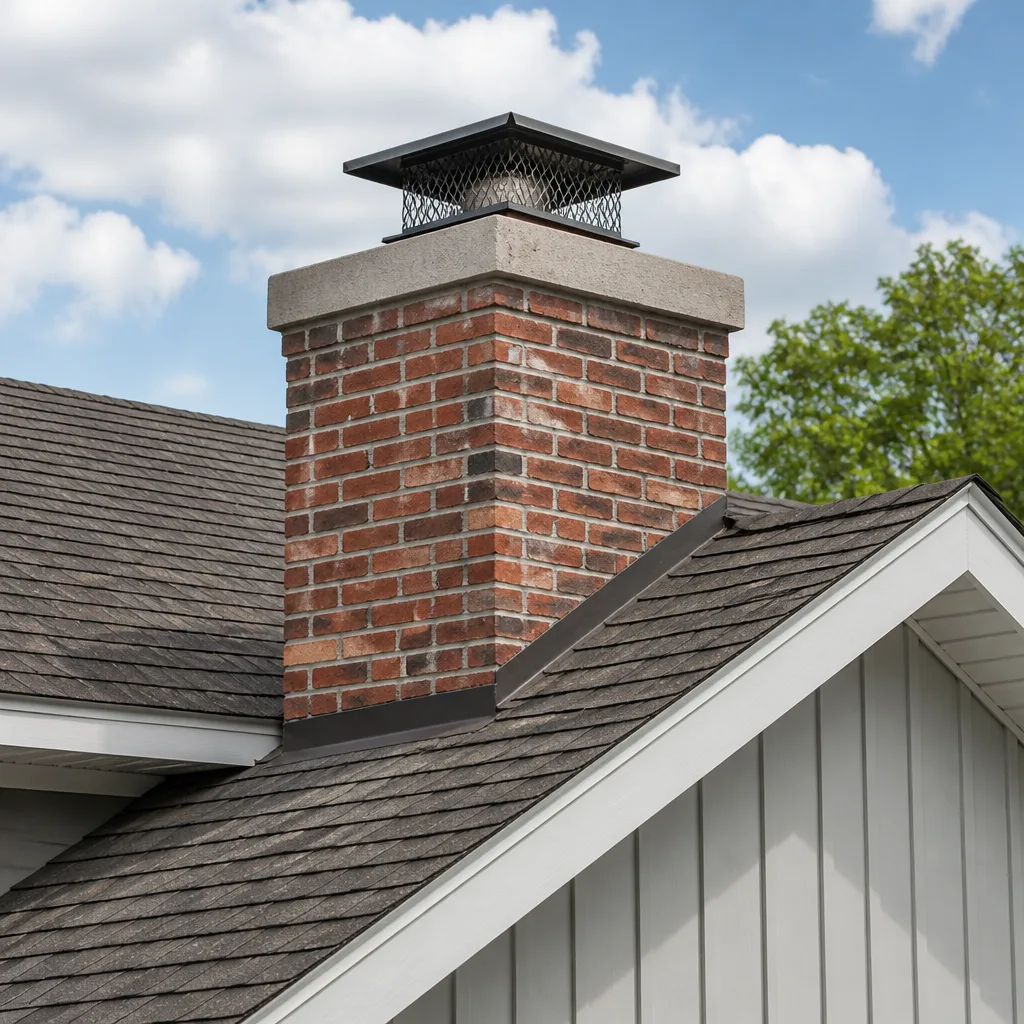 Caps & crowns
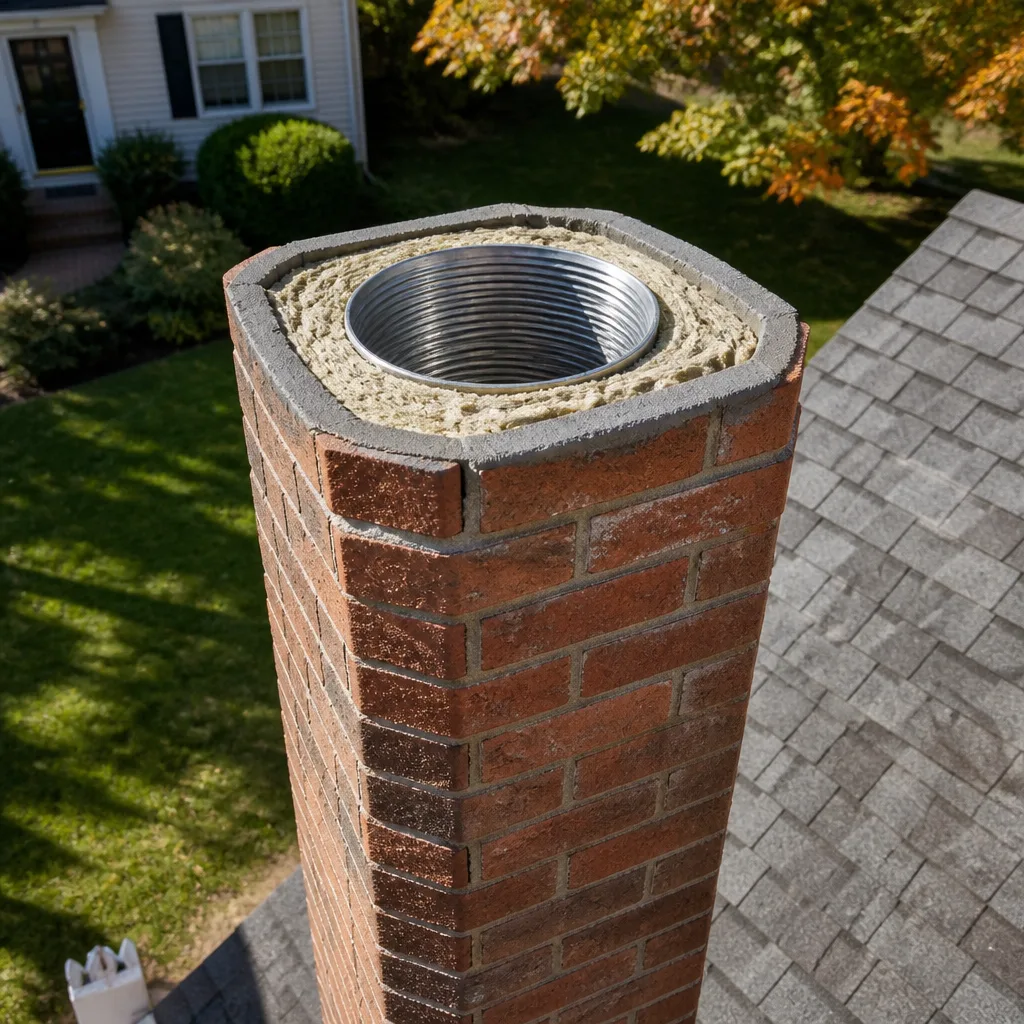 Flue relining
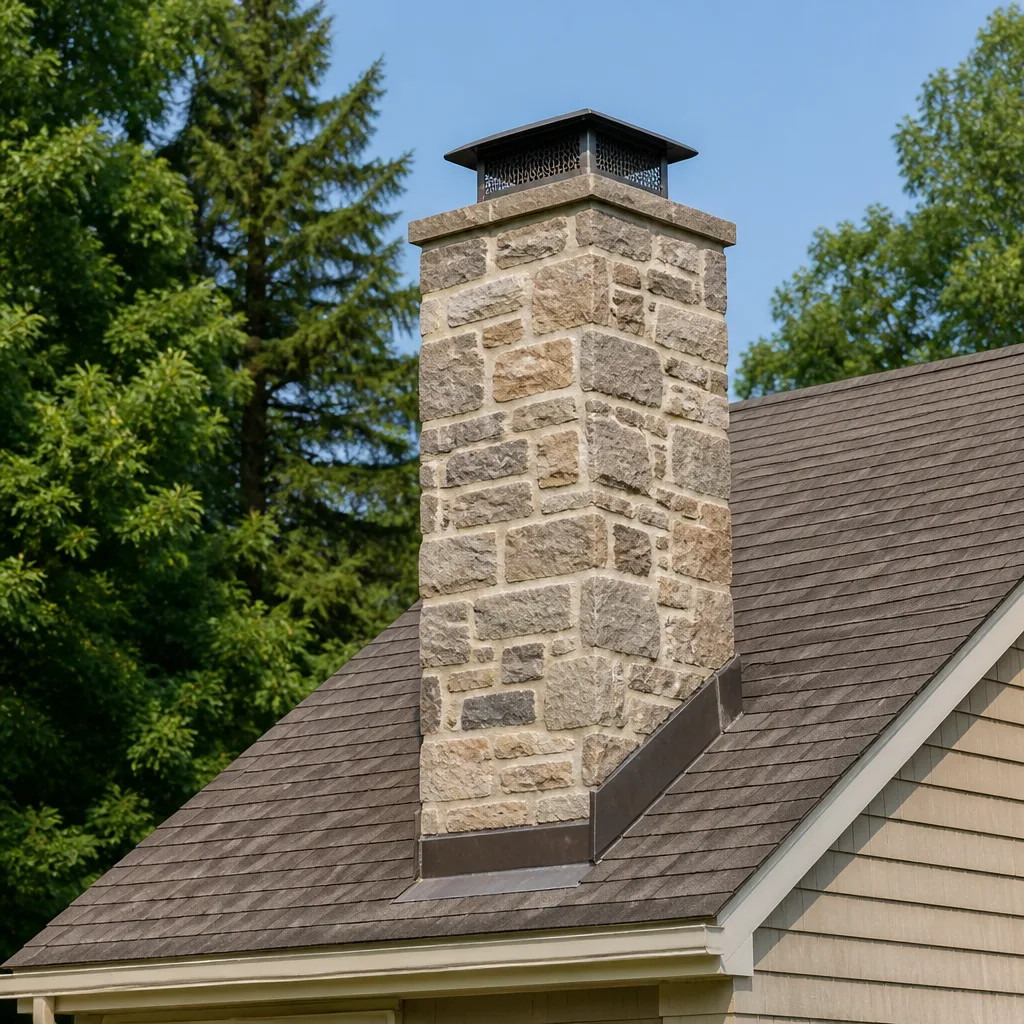 Masonry repair
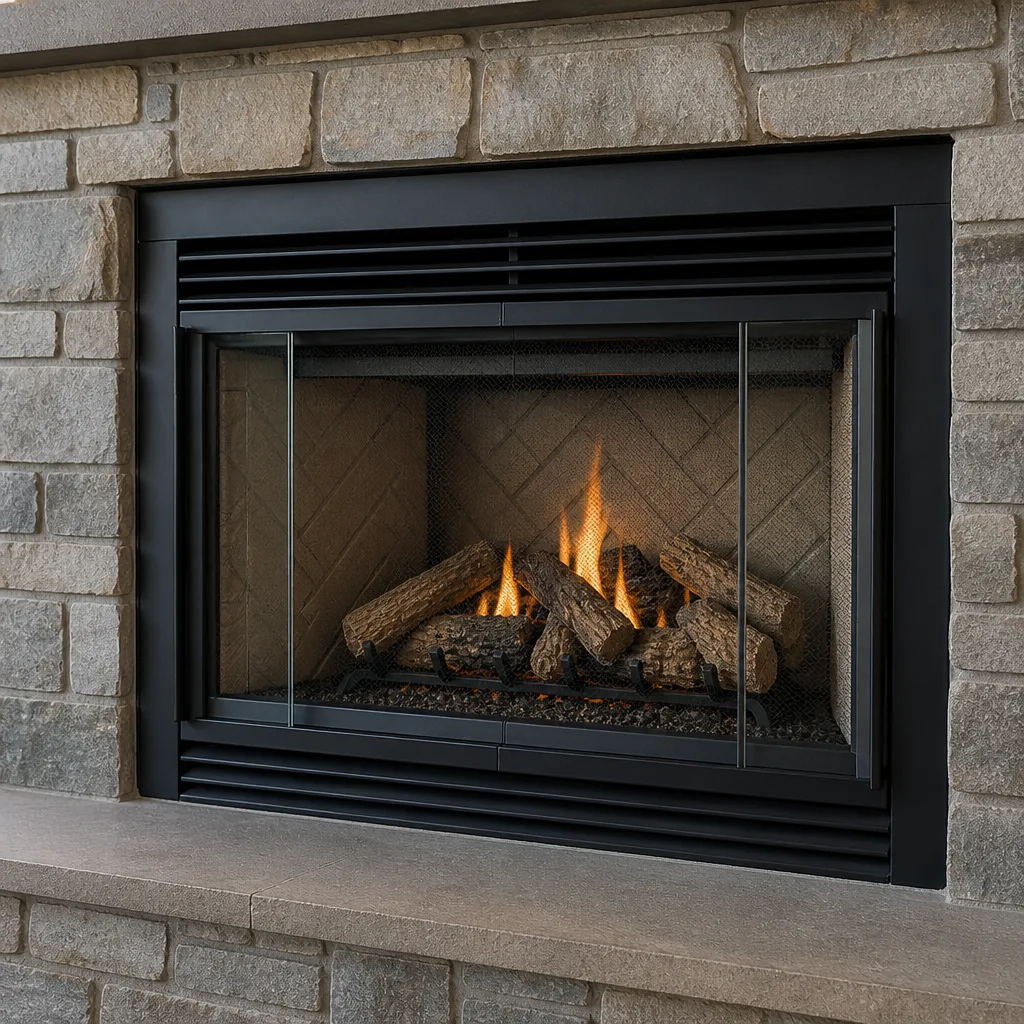 Gas fireplace service
Level 1 sweep and inspection to the NFPA 211 annual standard - flue, crown, cap, and flashing checked and photographed
Chimney sweep logs do not sweep chimneys. They loosen some creosote - which then falls where a brush and vacuum still have to collect it.
The Complete Guide to Chimney Cleaning in St. Louis
Most St. Louis chimney fires don’t start where homeowners picture them. The flue gets the attention – it’s where the brush goes, where the black creosote glazes, where the sweep spends most of the visit. But the smoke chamber, the sloped cavity just above the damper that almost nobody has looked inside, is where a lot of the trouble quietly collects. It’s a dead zone most cleaning visits skip entirely. This guide walks through the whole chimney system the way a proper St. Louis cleaning should: firebox to cap, with each part accounted for, so you know exactly what you’re paying for and what a shortcut leaves behind.
Quick Answer
A chimney cleaning in St. Louis is a full-system inspection and sweep, not just a brush down the flue. A qualified technician cleans the firebox, smoke shelf, smoke chamber, and flue, then inspects the liner, crown, and cap for the cracks and blockages that cause chimney fires and carbon monoxide problems. Most homes burning wood regularly need this once a year, and St. Louis’s clay soil and hard freeze-thaw cycles make that annual visit more important here than in drier climates.
Styles & brands we work with
- Sweep & inspection
- Caps & crowns
- Flue relining
- Masonry repair
- Gas fireplace service
Table of Contents
- What a Chimney Actually Includes (It’s More Than the Flue)
- Why St. Louis Conditions Make Annual Cleaning Non-Negotiable
- Level 1, Level 2, and Level 3 Inspections: Which One Do You Need?
- What a Real Chimney Cleaning Looks Like, Step by Step
- When Cleaning Isn’t Enough: Liner Damage and Resurfacing
- Creosote: The Three Stages and Why They Matter
- CSIA Certification: Why It Separates Sweeps From Handymen
- What Chimney Cleaning Costs in St. Louis
What a Chimney Actually Includes (It’s More Than the Flue)
When people say “chimney,” they usually mean the flue – the vertical channel the smoke travels up. But the flue is one part of a system, and each part collects a different kind of hazard. A cleaning that only addresses the flue leaves the rest of that system unchecked, which is exactly how small problems turn into big ones.
Here’s what’s actually in a wood-burning chimney, from bottom to top:
- Firebox: The box where the fire burns. It accumulates ash, soot, and sometimes cracked firebrick or mortar joints that let heat reach the structure behind it.
- Damper: The metal door above the firebox. It can seize, warp, or fail to seal, which affects draft and lets heat escape when the fireplace isn’t in use.
- Smoke shelf: A flat ledge just behind the damper. Soot and debris pile up here, and it’s one of the first places a lazy cleaning skips.
- Smoke chamber: The sloped cavity above the smoke shelf that funnels smoke into the flue. Its corbeled shape creates turbulence, which slows smoke and lets creosote condense on the walls. This is where many chimney fires begin, and it’s the part most homeowners have never seen.
- Flue liner: The clay tile or metal lining that contains the fire and keeps heat away from the surrounding masonry and framing. Cracks here are a serious safety issue.
- Crown: The concrete cap at the top of the chimney that sheds water. A cracked crown lets water into the masonry, which then freezes and spalls.
- Chimney cap: The metal or mesh cover over the flue opening. It keeps out rain, birds, squirrels, and leaves. A missing or damaged cap is an open door for all of them.
Each of these parts fails in its own way, and each one needs to be looked at during a cleaning. That’s the difference between a sweep and a system check. When we clean a chimney, every one of these components gets attention, because a flue that’s spotless and a smoke chamber packed with glazed creosote is still a fire waiting to happen. If you want the full picture of how we approach the job, the Hawk Chimney Sweep approach is built around this cap-to-firebox standard.
Why St. Louis Conditions Make Annual Cleaning Non-Negotiable
Chimneys everywhere need cleaning. But St. Louis has a couple of local conditions that make the annual visit less optional than it might be in, say, Phoenix or Denver. The big one is our soil and our freeze-thaw cycle.
Much of the St. Louis area sits on expansive clay soil. That clay swells when it’s wet and shrinks when it dries, and that movement works its way into the foundation and the masonry of the chimney over time. A chimney is a heavy, rigid structure sitting on ground that’s constantly shifting a little. Small cracks and separations can open up in the mortar and the clay tile liner as a result.
Then add the freeze-thaw cycle. St. Louis swings above and below freezing repeatedly through the winter. Water gets into a hairline crack in the crown or the masonry, freezes, expands, and widens the crack. Then it thaws, water gets in deeper, and the cycle repeats. Over a few seasons, a crack you’d never notice from the ground becomes a path for water, and eventually for heat and gases, to move where they shouldn’t.
What this means in practice:
- A cracked clay tile liner is a common finding in St. Louis homes, and it’s exactly the kind of damage that a visual inspection catches and a brush-only cleaning misses.
- A cracked crown is one of the most common sources of water damage we find, and it’s cheap to address when it’s caught early.
- Squirrels and birds nest in uncapped flues, and a St. Louis fall is when they’re most active. A blockage that wasn’t there in spring can be there by the first cold snap.
- The cool, damp shoulder seasons we get here encourage creosote to condense in the flue, especially when a fire is burned low and slow.
None of this is meant to alarm you. It’s simply the case that a chimney in St. Louis faces more stress than a chimney in a dry climate, and an annual inspection is the cheapest way to stay ahead of it. This is also why we treat St. Louis homeowners’ chimneys as a system with local conditions in mind, not a generic brush-and-go job.
Level 1, Level 2, and Level 3 Inspections: Which One Do You Need?
Not every inspection is the same, and the National Fire Protection Association’s NFPA 211 standard defines three levels. Knowing which one applies to your situation tells you what you’re actually getting and when to ask for more.
Level 1 Inspection
A Level 1 is the routine check that comes with an annual cleaning. The technician examines all readily accessible parts of the chimney and venting system – firebox, damper, smoke chamber, flue, crown, and cap – using basic tools and a flashlight, without dismantling anything or opening up concealed spaces. It’s appropriate when the appliance and fuel type haven’t changed and the chimney is in its usual service.
Level 2 Inspection
A Level 2 goes further. It includes everything in a Level 1 plus a video camera scan of the interior of the flue, which lets the technician see the full length of the liner and spot cracks, gaps, and offsets that a flashlight can’t reveal. A Level 2 is called for when there’s been a change in the system – a new appliance, a switch in fuel type, a relining, a chimney fire, a seismic event, or a property sale – and it’s the standard most homeowners should expect when there’s any question about the liner’s condition. The camera scan, and the photo report that goes with it, is what lets you see for yourself what’s going on rather than taking someone’s word for it.
Level 3 Inspection
A Level 3 is the most involved. It’s used when a Level 1 or Level 2 turns up a serious problem that can’t be assessed without opening up concealed areas of the chimney or building – removing a section of wall, for example. It’s rare, and it’s only warranted when the evidence points to a hidden hazard that has to be seen to be understood.
For most St. Louis homeowners, the routine is a Level 1 with the annual cleaning, and a Level 2 whenever the liner’s condition is in question or the system has changed. If a technician can’t tell you which level they’re performing and why, that’s worth asking about. You’ll find more on our chimney sweep page about how the inspection fits into a standard visit.
What a Real Chimney Cleaning Looks Like, Step by Step
A professional cleaning follows a set sequence, and the order matters. The inspection comes first, before the brush goes anywhere, so the technician knows what they’re dealing with. Here’s how a full-system cleaning typically runs:
- Protect the home. Drop cloths and a sealed plastic sheet go over the hearth and the floor around the fireplace, and a vacuum with a HEPA filter runs throughout to keep soot out of the room.
- Inspect before cleaning. The technician does a top-to-bottom assessment of the full flue system – firebox, damper, smoke shelf, smoke chamber, flue, crown, and cap – noting creosote buildup, cracks, blockages, and anything else that needs attention. This is the inspection-first step, and it’s where hidden hazards get surfaced.
- Clean the firebox and smoke chamber. Soot and debris are removed from the firebox, and the smoke shelf and smoke chamber are scraped and brushed. This is the step that’s most often skipped and the part most homeowners never see being done.
- Sweep the flue. The technician runs a brush through the full length of the flue from the top down, using the right brush for the liner type so the tile or metal isn’t damaged. A camera may be run afterward to confirm the liner is clean and intact.
- Clean the damper and check operation. The damper is cleaned and tested to confirm it opens, closes, and seals properly.
- Clear the cap and crown. The technician removes any nest, debris, or blockage from the cap, checks the crown for cracks, and confirms the cap is intact and properly fitted.
- Report and document. You get a clear rundown of what was cleaned, what was found, and what – if anything – needs repair. A camera inspection with a photo report is included so you can see what the technician saw.
If the inspection turns up damage, the same company should be able to handle the repair rather than handing you off to a separate contractor. That’s the accountability gap that creates problems – the sweep blames the mason, the mason blames the sweep, and you’re left holding the bill. We handle sweep, inspection, and chimney repair as one integrated service so the person who found the problem is the person responsible for fixing it.
When Cleaning Isn’t Enough: Liner Damage and Resurfacing
Cleaning removes creosote and soot. It doesn’t repair cracked tile, spalling mortar, or a liner that’s lost its integrity. When the inspection turns up damage, the question shifts from “how do we clean this” to “how do we restore it,” and that’s where the difference between a sweep-only company and a full-service one shows up.
Two repair methods come up most often for damaged liners:
- HeatShield resurfacing: A specialized method for cracked or spalling clay flue liners. A compound is applied to the interior of the liner to seal cracks and restore a smooth, continuous surface, rather than tearing out and replacing the tile. It addresses a class of damage that standard brushing can’t touch, and it’s a repair most sweep-only companies aren’t equipped to perform.
- DuraFlex flexible liner systems: A full relining option when the existing liner is too damaged to resurface. A flexible stainless liner is installed inside the existing chimney to create a new, code-compliant flue. It’s a structural repair, and it’s the kind of work that sits well beyond routine cleaning.
We also work with professional-grade products from a defined portfolio – DuraFlex, HeatShield, Gelco, Olympia Chimney, Famco, and Copperfield – rather than generic big-box substitutes. That matters because liner repairs are not a place to save a few dollars on materials. The right product for the specific damage, installed correctly, is what keeps the repair sound for the long run.
One thing we’re careful about: not every crack needs immediate work. Some liner cracks are minor and can be monitored. Others are a real path for heat and carbon monoxide and need to be addressed before the next fire. The camera inspection is what tells the difference, and the photo report lets you see it for yourself. Nothing gets recommended without evidence you can look at, and we’ll tell you plainly when a repair can safely wait.
Creosote: The Three Stages and Why They Matter
Creosote is the tar-like residue that condenses on the inside of the chimney as smoke cools on its way up. It’s the main reason chimneys need cleaning, and it comes in three stages, each more hazardous than the last.
- Stage 1 – Soot and flaky creosote: A light, dusty, or flaky coating. It’s the easiest to remove and the least dangerous. Regular cleaning keeps it from progressing.
- Stage 2 – Crusty creosote: A harder, more brittle deposit that clings to the liner. It takes more effort to remove and signals that the chimney is being used in a way that’s producing more creosote than it should – often a sign of burning low and slow, or burning wood that isn’t well seasoned.
- Stage 3 – Glazed creosote: A hard, shiny, tar-like coating that’s baked onto the liner. It’s highly flammable and difficult to remove with a standard brush. Stage 3 creosote is the most common fuel for chimney fires, and it’s the reason a cleaning isn’t just about cosmetics.
St. Louis’s cool, damp shoulder seasons encourage creosote to condense, and burning wood that hasn’t been properly seasoned makes it worse. If you burn often and haven’t had a cleaning in a few years, the odds of finding stage 2 or 3 creosote go up. The good news is that annual cleaning keeps creosote from getting to the stage where it’s a real hazard.
CSIA Certification: Why It Separates Sweeps From Handymen
A CSIA-certified chimney sweep is a technician who has been tested and credentialed by the Chimney Safety Institute of America. The certification is a recognized standard in the industry, and it’s a meaningfully different thing from a general handyman who adds “chimney cleaning” to their service list.
The distinction matters for a few reasons:
- Technical knowledge: A certified sweep has demonstrated an understanding of how chimney systems work – draft, venting, liner types, creosote behavior – not just how to push a brush. That knowledge is what lets them recognize a problem that isn’t obvious.
- Inspection standards: Certified sweeps are trained to the NFPA 211 inspection levels, which means they know when a Level 1 is enough and when a camera scan is warranted.
- Accountability: Certification ties a technician to a recognized code of practice. A handyman who damages a liner or misses a crack has no such standard behind them.
- Safety: Chimney work involves heights, confined spaces, and the risk of carbon monoxide if the system isn’t sound. It’s not a job for someone who watched a video and bought a brush.
When you’re comparing quotes in St. Louis, ask whether the person coming out is CSIA-certified and whether they perform a full inspection before cleaning. A low quote from a handyman who only brushes the flue isn’t a bargain – it’s a cleaning that leaves the most dangerous parts of the system untouched.
What Chimney Cleaning Costs in St. Louis
Chimney cleaning pricing varies with the size and condition of the chimney, the amount of creosote, and whether a camera inspection or repair is needed. The estimate is free, and the written estimate sets the final price. Here’s how the line items typically break down:
- Standard cleaning and Level 1 inspection: Priced per job based on the chimney’s size and condition; the written estimate covers the full cap-to-firebox cleaning and inspection.
- Level 2 inspection with camera and photo report: Adds the video scan of the liner and the report; the price is set in the estimate.
- HeatShield resurfacing: Quoted based on the extent of liner damage and the length of the flue; the estimate is written before any work begins.
- DuraFlex liner installation: Quoted per job based on the liner length and the chimney’s configuration; the estimate sets the final price.
Chimney repair is one of those categories where the cheapest quote can be the most expensive in the end. A sweep-only company may quote low, but they can’t fix what they find, which means a second contractor and a second bill. We give a written estimate and a flat price agreed before booking, with a camera inspection and photo report included, so you know what you’re paying for before the work starts. If you want the details of how quotes work in the area, the St. Louis service page covers it.
Common Mistakes to Avoid
- Hiring a handyman who “also cleans chimneys.” General handymen usually brush the flue and skip the smoke chamber, the smoke shelf, and the inspection. That leaves the most fire-prone parts of the system untouched.
- Skipping the smoke chamber. It’s the part most homeowners have never seen and many cleaning visits skip. It’s also where a lot of St. Louis chimney fires start, so a cleaning that doesn’t address it isn’t a full cleaning.
- Burning unseasoned wood. Green or wet wood produces more creosote, and St. Louis’s damp shoulder seasons make that creosote condense faster. Use well-seasoned wood and you’ll have less to clean.
- Ignoring a cracked crown. A cracked crown lets water into the masonry, and St. Louis freeze-thaw cycles turn that water into spalling damage. It’s cheap to fix early and expensive to ignore.
- Going without a cap. An uncapped flue is an open door for birds, squirrels, and leaves, and a blockage is a carbon monoxide hazard. A cap is one of the simplest protections there is.
- Waiting for a problem before calling. A cleaning that happens on schedule is a cleaning that catches small issues before they become repairs. Waiting until smoke backs up means the problem has already arrived.
- Treating a low quote as the deciding factor. A cheap cleaning that misses the liner, the smoke chamber, and the crown leaves you with a false sense of security. The value is in the full system check, not the price of the brush.
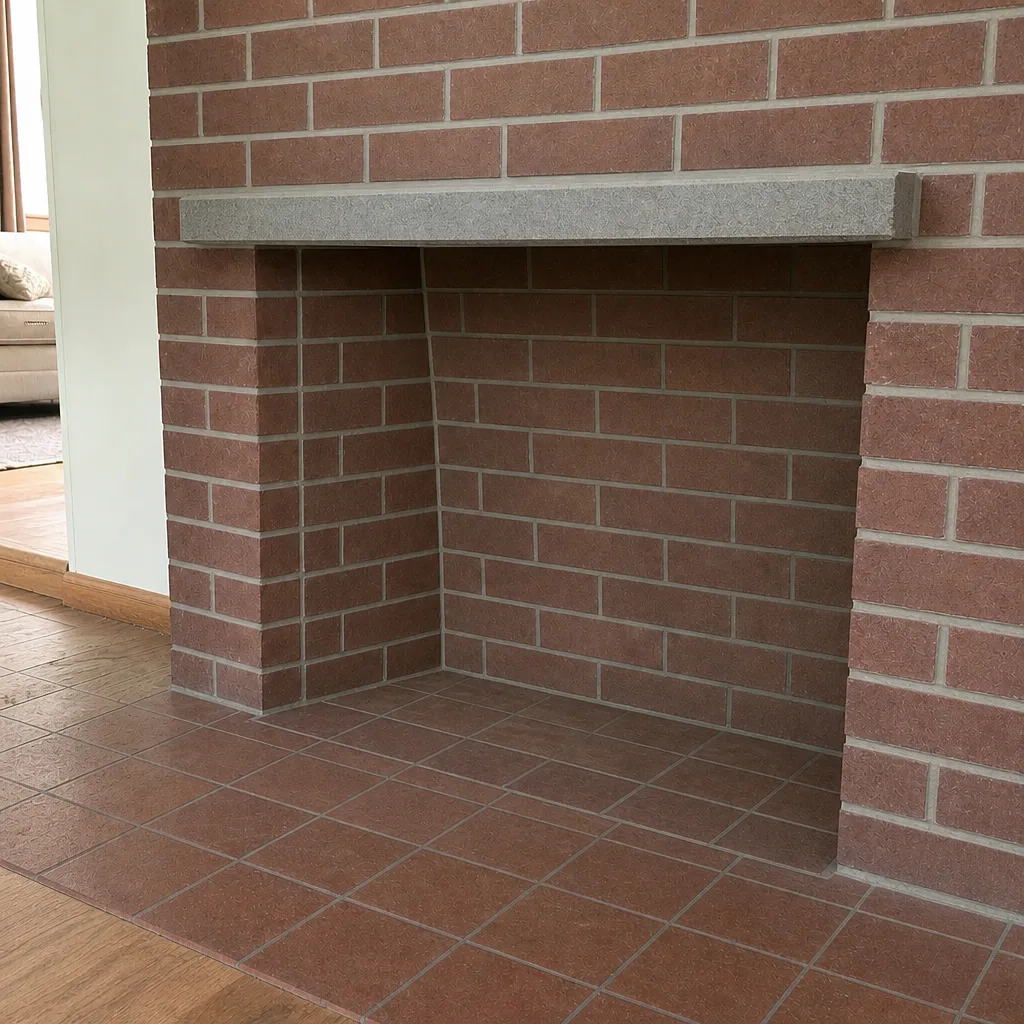
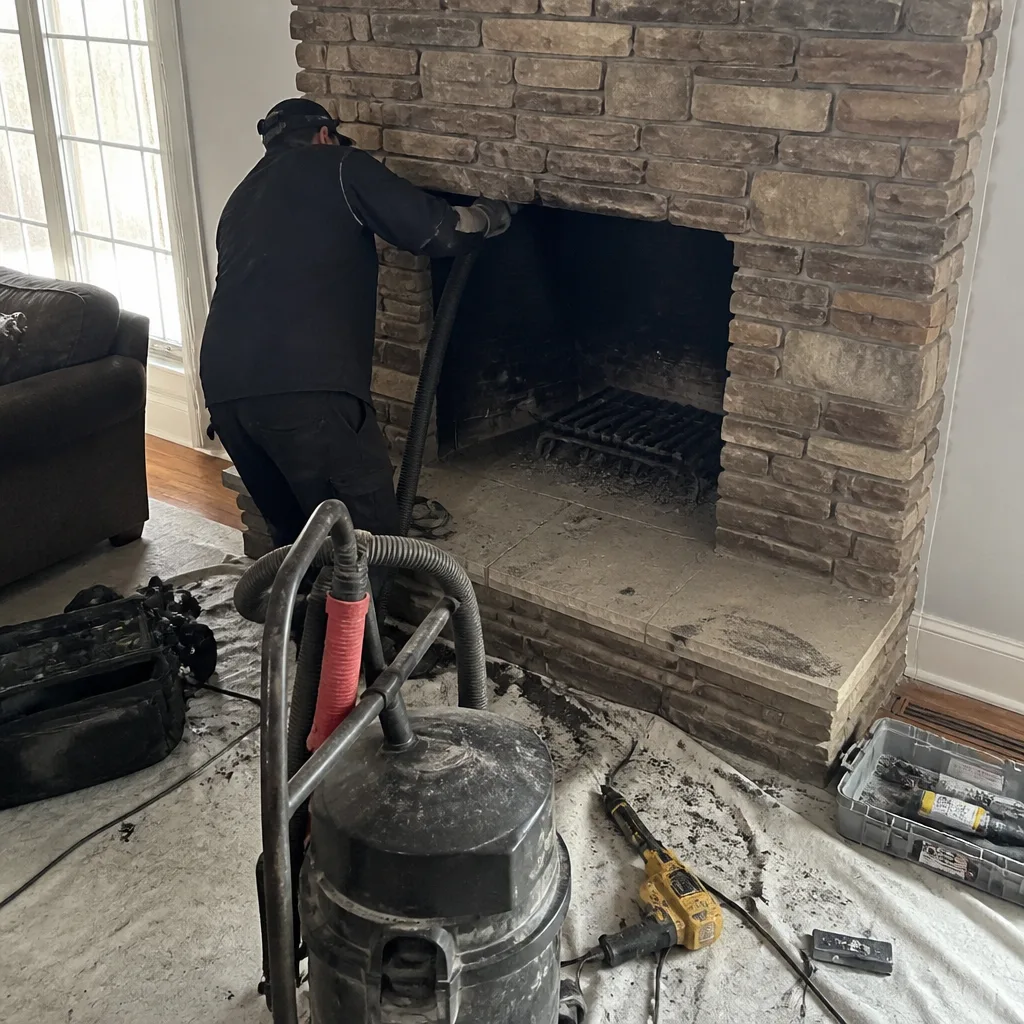
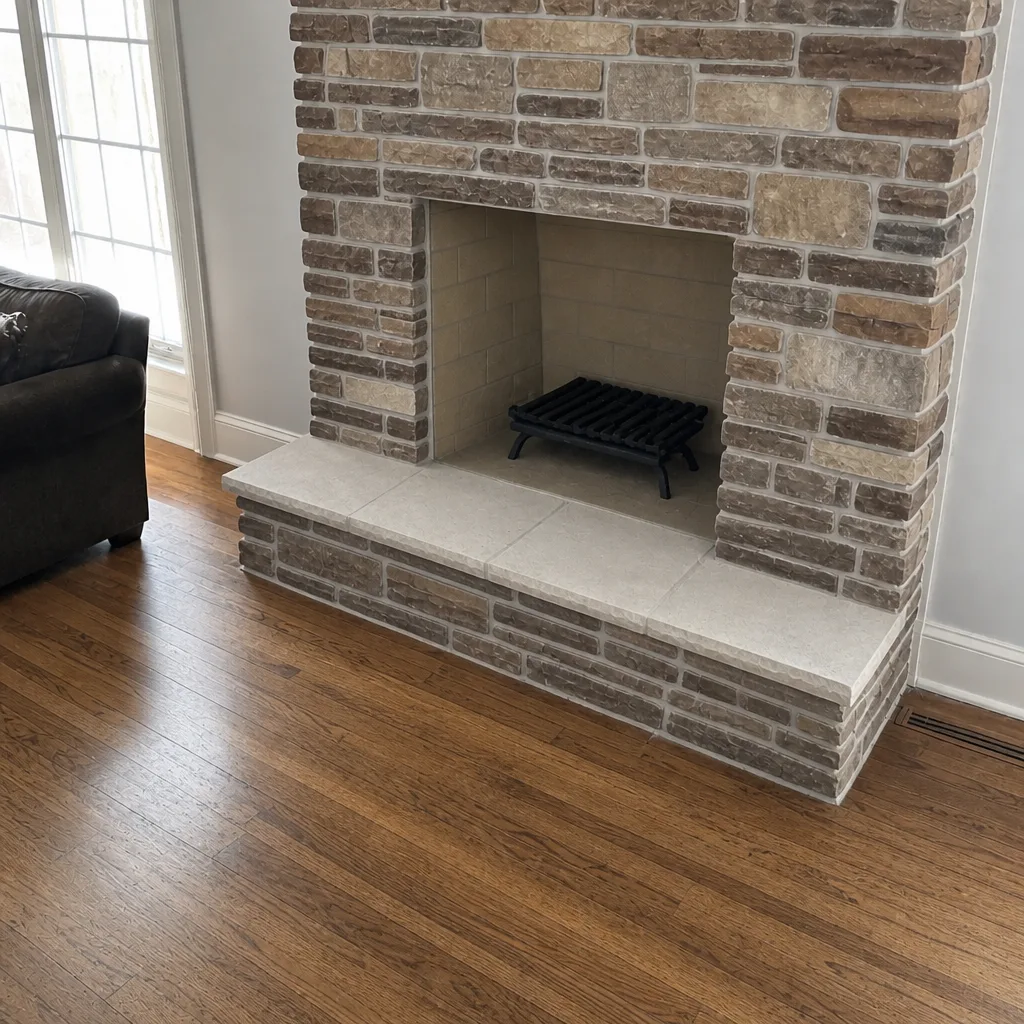
See the difference
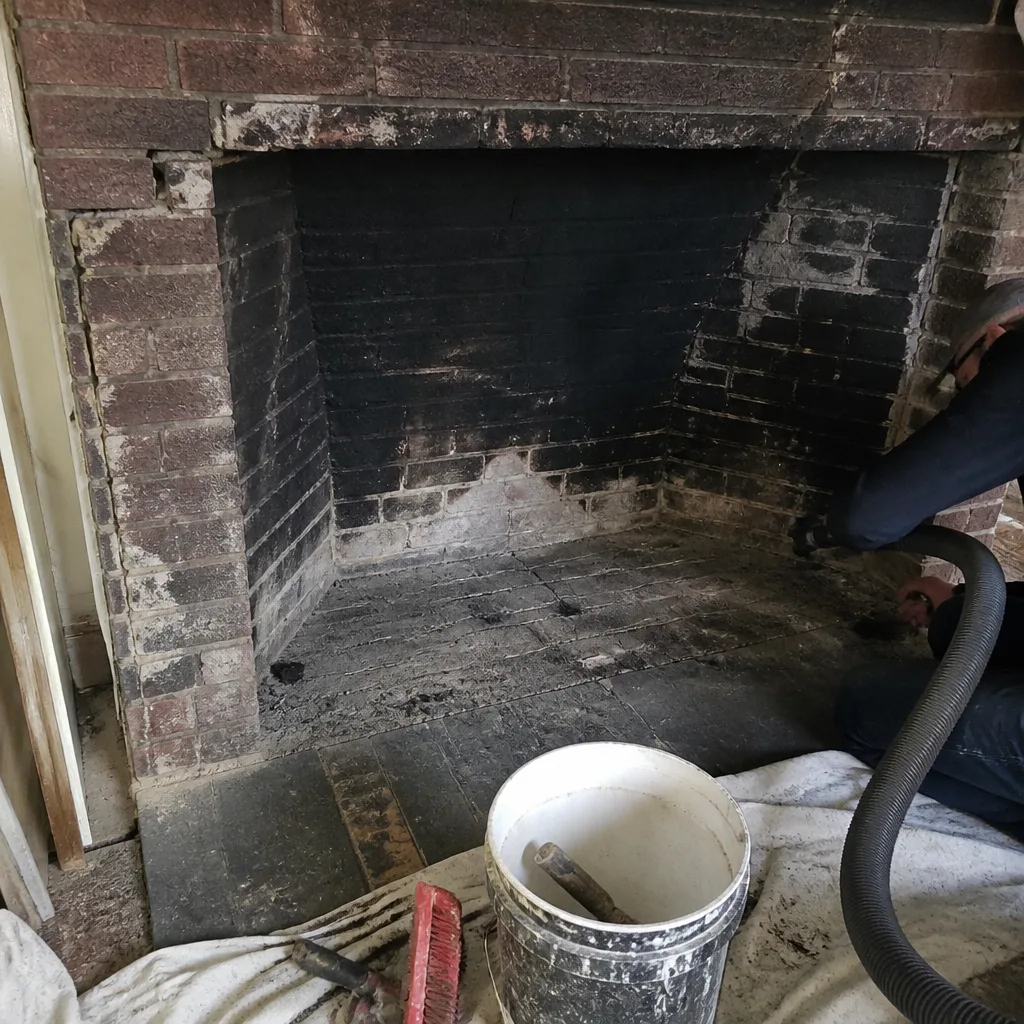 Before
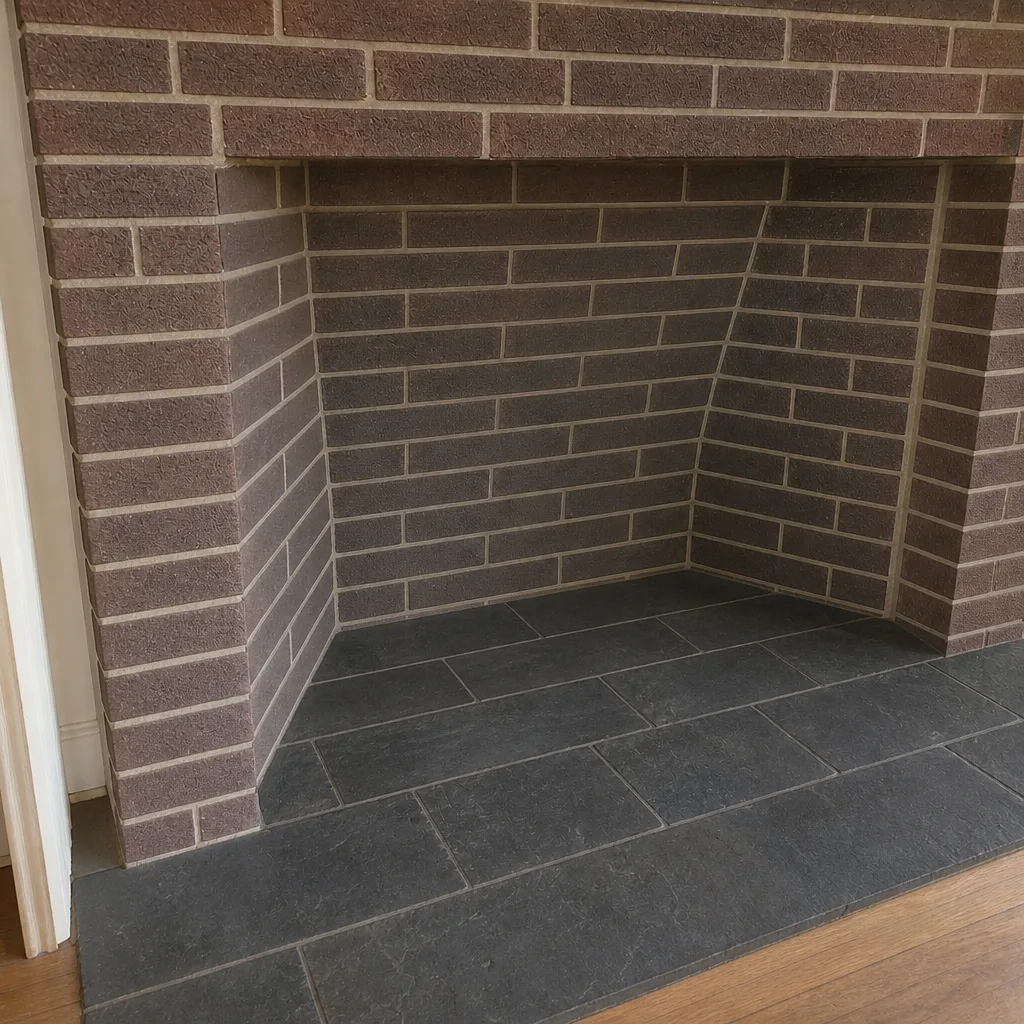 After
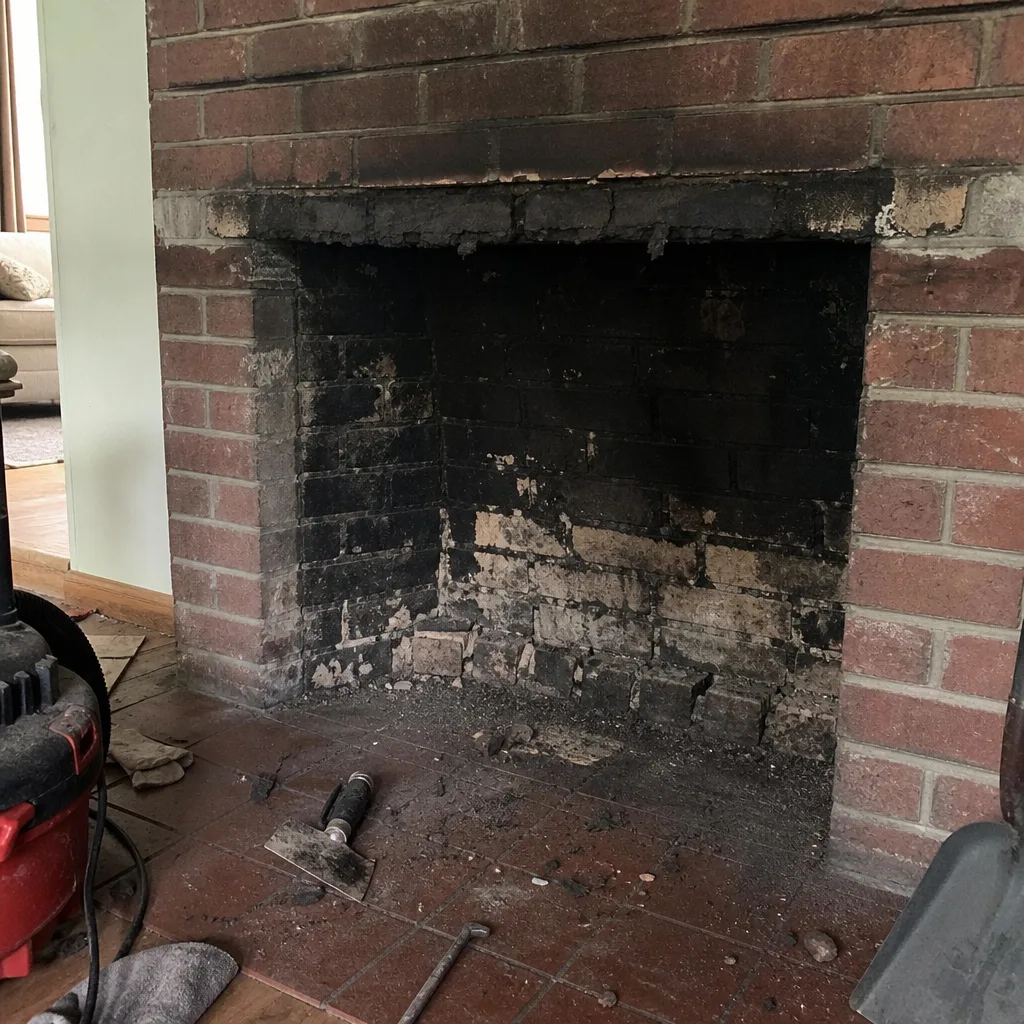 Before
 After
 Before
 After
When to Call a Professional
Some situations call for a professional sooner rather than later. If smoke backs up into the room when you light a fire, that’s a draft or blockage problem that needs a camera inspection. If you smell a strong, acrid odor from the fireplace even when it’s not in use, that can be creosote or a blockage. If you’ve had a chimney fire – even a small one you put out yourself – the liner needs a Level 2 inspection before the next fire. If you’ve moved into a home with a wood-burning fireplace and don’t know when it was last cleaned, start with an inspection. And if it’s simply been a year or more since the last cleaning, that’s the annual visit due.
Hawk Chimney Sweep offers free estimates in St. Louis. Call (866) 596-7310. We answer 24/7. Fast dispatch from 7am to 7pm, Sunday through Friday. Our technicians have up to 12 years of experience, and we handle sweep, inspection, and repair as one accountable service.
Frequently Asked Questions
Chimney cleaning in St. Louis is priced per job based on the chimney’s size and condition, with the written estimate setting the final price and the estimate itself free. The quote covers the full cap-to-firebox cleaning and Level 1 inspection, so you know what you’re paying for before booking. Call (866) 596-7310 for an exact quote – estimates are free.
A chimney should be swept once a year for most homes burning wood regularly, and more often if you burn heavily or notice creosote building up. In St. Louis, the annual visit also catches the liner cracks and crown damage that the freeze-thaw cycle makes more likely here. Call (866) 596-7310 to book the annual cleaning – estimates are free.
Not always. A new liner is needed when the existing liner is too damaged to resurface, and a camera inspection is what tells the difference. HeatShield resurfacing can address cracked or spalling clay tile without a full reline, while DuraFlex flexible liner systems are used for full relining when resurfacing won’t hold. Nothing gets recommended without camera evidence you can see, and we’ll tell you plainly when a repair can safely wait. Call (866) 596-7310 for an exact quote – estimates are free.
Skipping a cleaning lets creosote build up to the glazed stage, which is the most common fuel for chimney fires, and it lets small liner cracks and blockages go unnoticed. A blockage can also let carbon monoxide back into the home. The risk builds slowly, which is exactly why the annual visit matters. Call (866) 596-7310 for an exact quote – estimates are free.
A Level 1 is the routine check that comes with an annual cleaning and covers all readily accessible parts of the system. A Level 2 adds a video camera scan of the full liner and a photo report, and it’s called for when the system has changed or the liner’s condition is in question. Level 3 is reserved for serious problems that require opening concealed areas. Call (866) 596-7310 for an exact quote – estimates are free.
St. Louis’s expansive clay soil and hard freeze-thaw cycles put more stress on chimney masonry and liners than a dry climate does. The clay shifts with moisture, and repeated freezing and thawing widens small cracks in the crown and liner over time. An annual inspection catches that damage before it becomes a repair. Call (866) 596-7310 for an exact quote – estimates are free.
The Bottom Line
A chimney cleaning in St. Louis is a system check, not a brush down the flue. The firebox, smoke shelf, smoke chamber, liner, crown, and cap each collect a different hazard, and the smoke chamber in particular is where many chimney fires begin. Local clay soil and freeze-thaw cycles make annual inspection more important here than in drier climates. A CSIA-certified sweep, a camera inspection with a photo report, and one company that handles sweep, inspection, and repair from cap to firebox – that’s what a proper cleaning looks like. If you’d rather not take our word for it, the camera shows you everything.
Call (866) 596-7310 for a free estimate. We answer 24/7. Fast dispatch from 7am to 7pm, Sunday through Friday.
Written by the team at Hawk Chimney Sweep.