
Last updated November 15, 2026
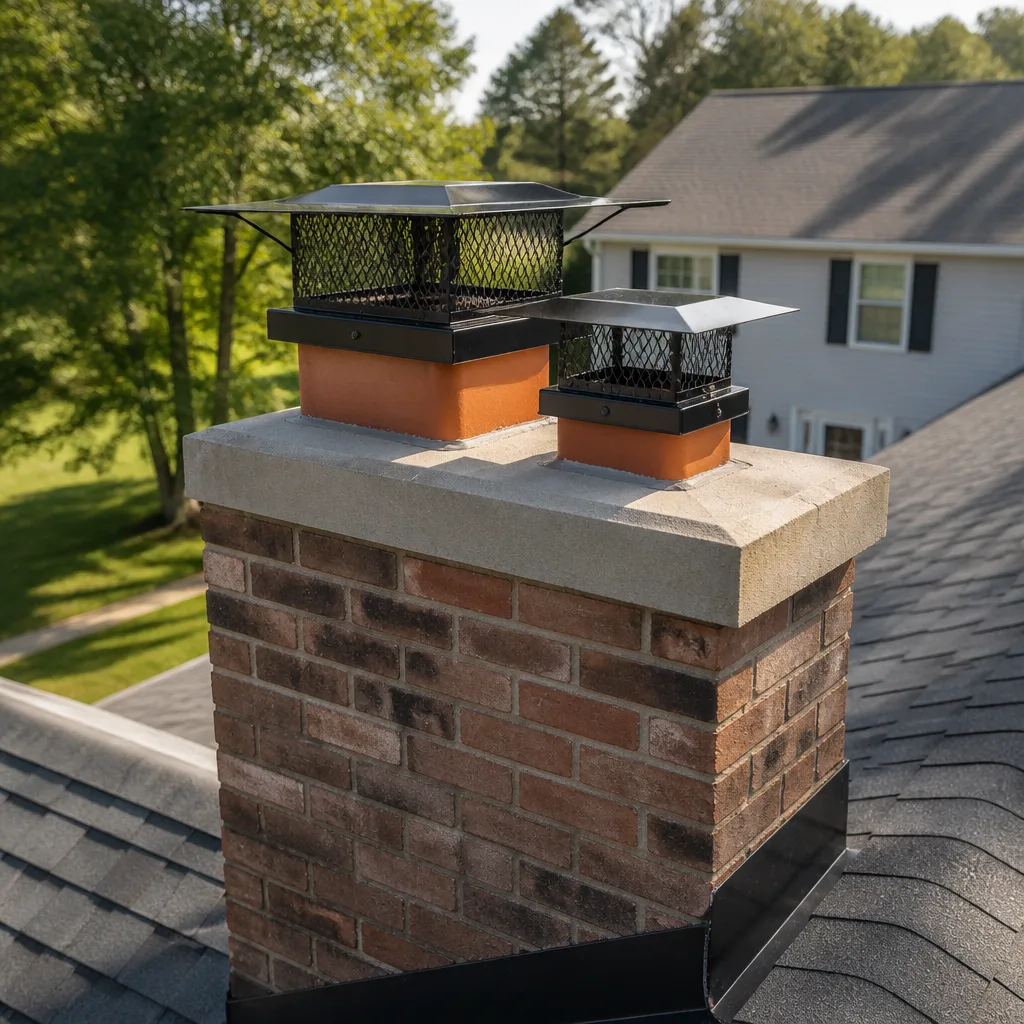 Sweep & inspection
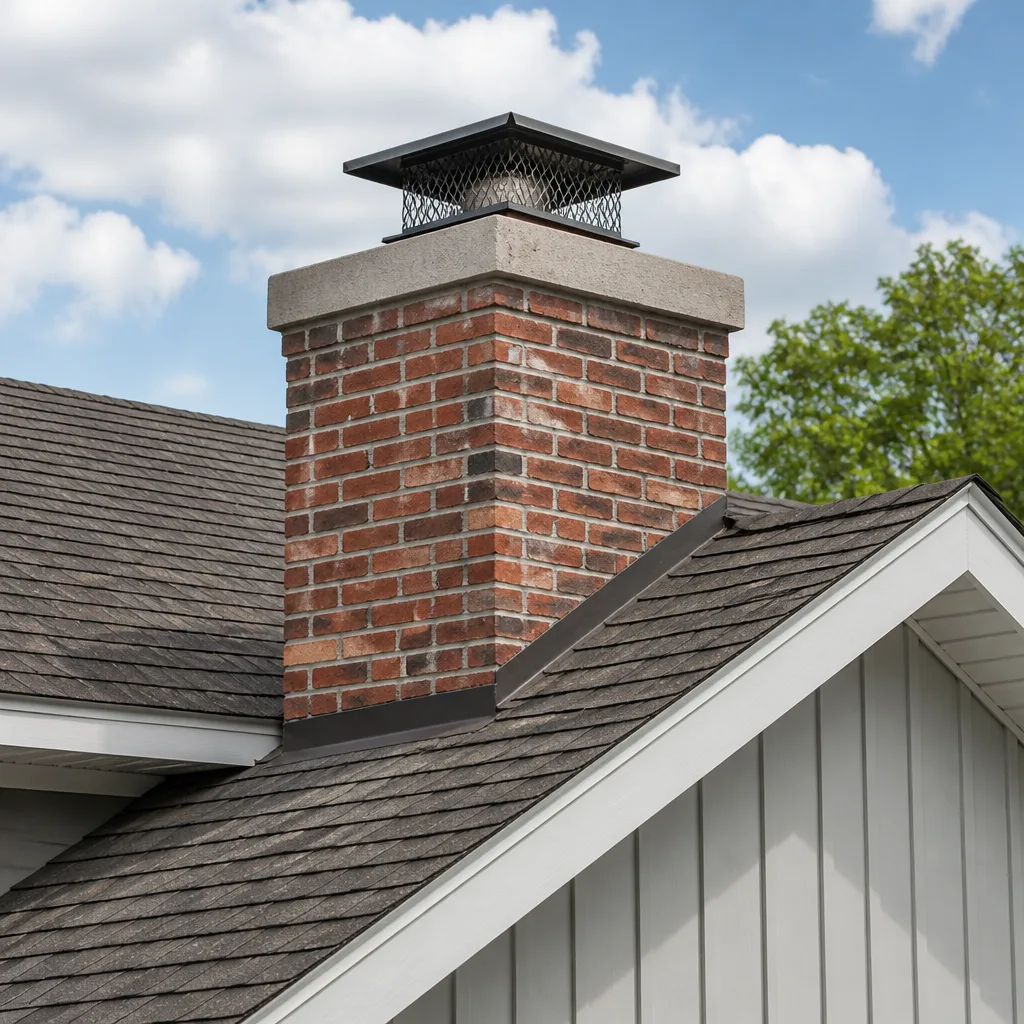 Caps & crowns
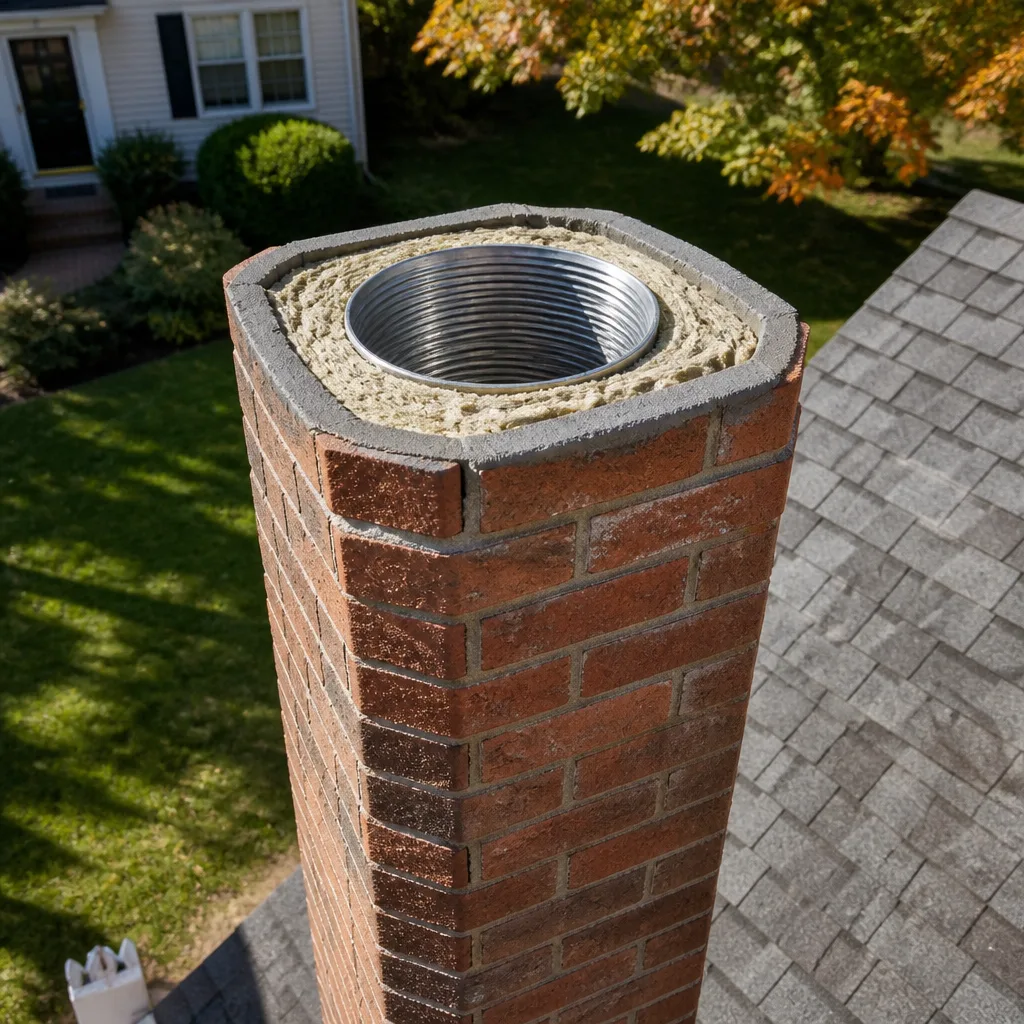 Flue relining
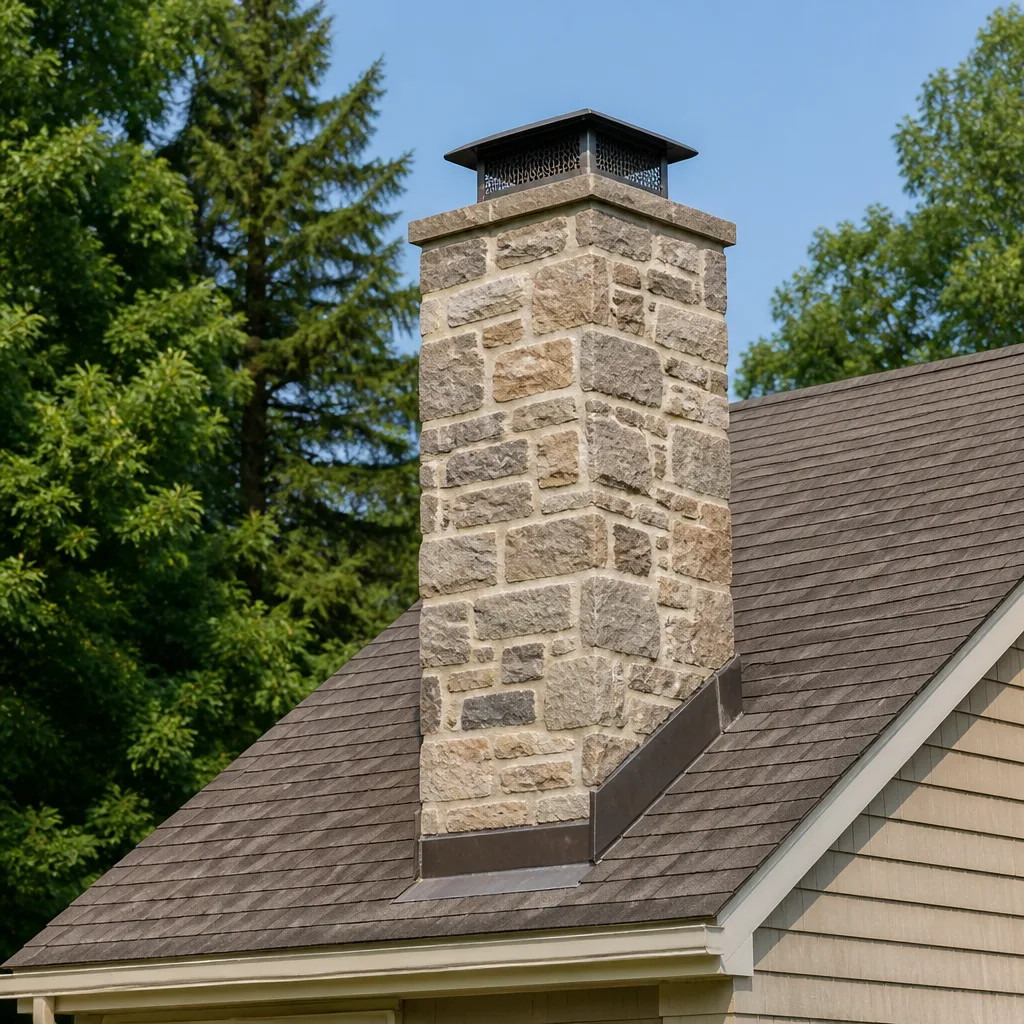 Masonry repair
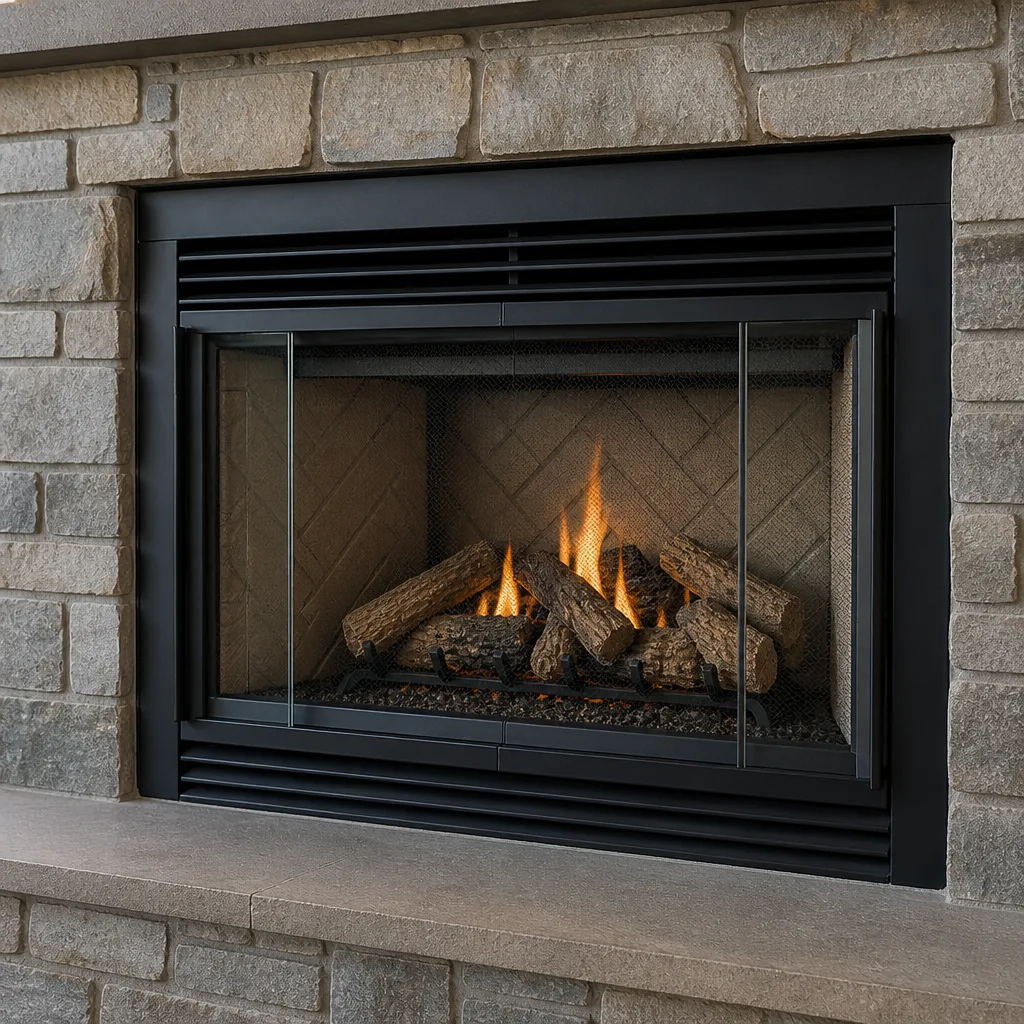 Gas fireplace service
Level 1 sweep and inspection to the NFPA 211 annual standard - flue, crown, cap, and flashing checked and photographed
Chimney sweep logs do not sweep chimneys. They loosen some creosote - which then falls where a brush and vacuum still have to collect it.
Seasonal Chimney Cleaning Care for St. Louis: Year-Round Homeowner’s Guide
The worst time to discover your chimney liner is cracked is the first cold night you light a fire in October. But that crack almost certainly formed during the previous February freeze, sat unnoticed through a humid summer, and only announced itself when heat and smoke pushed against it. That’s the trap of treating chimney care as one annual event: in St. Louis, the damage happens in one season and the symptoms show up in another. This guide walks through what each season does to your chimney system, why spring is the highest-risk inspection moment on the calendar, and how to close out the year so nothing gets a head start on you before the next burning season.
Quick Answer
Chimney care in St. Louis works best on a seasonal cycle rather than a single yearly sweep: inspect in spring after freeze-thaw damage has had its say, sweep and make repairs in late summer before burning season, watch for changes mid-winter, and seal the system at season’s end to keep out moisture and animals. A September sweep beats an October one because it leaves time to fix what the inspection finds. And a pre-burn inspection should always cover the full flue, cap, crown, and firebox, not just the visible firebox opening.
Styles & brands we work with
- Sweep & inspection
- Caps & crowns
- Flue relining
- Masonry repair
- Gas fireplace service
Table of Contents
- Why St. Louis Chimneys Age Four Times a Year
- Freeze-Thaw Cycles and the Spring Inspection Window
- Summer Humidity, Nesting Season, and a Dormant Chimney
- Pre-Season Sweep: Why September Beats October in St. Louis
- What a Pre-Burn Inspection Should Actually Cover
- Mid-Season Checks During Active Burning
- Closing Out the Season the Right Way
- A Year-Round Chimney Calendar for St. Louis Homes
Why St. Louis Chimneys Age Four Times a Year
A chimney in a mild climate has one problem: creosote. A chimney in St. Louis has four. The same system faces summer humidity that soaks into masonry, an autumn of temperature swings, a winter of hard freezes, and a spring thaw that pulls water into every hairline crack the winter opened. Each season attacks a different material in a different way, and the cumulative effect is why a chimney that looks fine in July can be failing by the following March.
Here’s the short version of what each season does:
- Summer: humid air and driving rain work on the crown, the mortar joints, and the liner; birds and squirrels move in; a dormant flue collects moisture and odor.
- Autumn: temperature swings expand and contract masonry; the first fires stress-test everything the summer did.
- Winter: freeze-thaw cycles crack mortar and spall brick; heavy burning builds creosote fast; ice dams and snow load stress the crown and cap.
- Spring: the thaw drives water into fresh cracks, and the freeze-thaw damage from winter is fully visible for the first time.
That’s why we think of St. Louis chimney care as a year-round discipline rather than a fall chore. The homeowner who inspects in spring catches damage while it’s still a repair. The homeowner who waits until October catches it as a replacement. The difference in cost and disruption between those two outcomes is wide, and it comes down to timing, not luck.
One more piece of local context: St. Louis sits in a climate that produces genuine freeze-thaw cycles, sometimes several in a single week during January and February. Masonry is porous. Water gets in, freezes, expands by roughly a tenth of its volume, and pushes the material apart from the inside. Do that a few dozen times over a winter and a hairline crack becomes a real one.
Freeze-Thaw Cycles and the Spring Inspection Window
Spring is the highest-risk inspection moment of the year in St. Louis, and most homeowners skip it. The reason is simple: winter does its damage quietly, and the thaw is when that damage is finally visible. If you only inspect once a year and you do it in the fall, you’re seeing the chimney after a full summer of sitting in whatever state winter left it. By then, a small mortar crack has had months to widen and a spalled brick face has had months to shed material into the flue.
What freeze-thaw actually does to a St. Louis chimney:
- Mortar joints: water enters the joint, freezes, and pushes the mortar and adjacent brick apart. The joint crumbles from the inside out.
- Brick faces: spalling, where the outer face of the brick peels or pops off, is a classic freeze-thaw failure. Once the face is gone, the softer interior of the brick is exposed and fails faster.
- The crown: the concrete cap at the top of the chimney is the most exposed surface on the whole system. Hairline cracks in the crown let water in, and a freeze widens them into real openings.
- The liner: clay tile liners crack under thermal stress and freeze-thaw movement. Once a tile cracks, the breach lets heat and flue gases reach the masonry around it, which is a fire pathway, not just a draft problem.
This is why we push for a chimney repair assessment in spring rather than fall. A repair done in April or May has the entire dry season to cure and settle before the first fire. A repair done in October is racing the calendar. In our experience, the homes that need the least work are the ones where someone looked in April and dealt with the small stuff before it grew.
One caveat on the DIY side: a spring inspection from the ground with binoculars is fine and worth doing. Climbing onto a roof to inspect a crown or a cap is a different job. Steep pitches, loose shingles, and wet spring shingles are a genuine fall hazard, and we don’t recommend it. Get a professional on the roof; it’s a small cost against a serious injury.
Summer Humidity, Nesting Season, and a Dormant Chimney
A chimney that isn’t in use between May and September is not resting. It’s absorbing. St. Louis summers are humid, and masonry is a sponge. The same porous structure that lets a brick absorb and release moisture with the weather will hold standing humidity for weeks, and that moisture works on the mortar and the liner the whole time no one is looking.
The other summer issue is animals. Chimneys are prime real estate for birds, squirrels, and raccoons because they’re dark, sheltered, and elevated. A cap that was fine in March can be dislodged by a storm in June, and by July there’s a nest in the flue. This matters for two reasons: a blocked flue is a carbon monoxide hazard the moment you light a fire, and animal debris is combustible. A nest is not just an inconvenience sitting in your chimney; it’s fuel next to the thing that gets hottest.
What to check during the off-season without climbing anything:
- Look at the cap from the ground. Is it still seated squarely on top of the flue? Is there visible damage or a gap at the edge?
- Watch for birds entering or leaving. If you see regular traffic to the chimney top, something has moved in.
- Smell the firebox. A musty or sour smell in the firebox or at the damper is a moisture signal, not a normal summer smell.
- Check for staining on the exterior masonry. White, chalky deposits (efflorescence) or dark streaks on the outside of the chimney indicate water moving through the masonry.
- Look for rust on the damper or firebox. Rust in a wood-burning fireplace that hasn’t been used in months is a moisture indicator, not a wear indicator.
A chimney cap installed with a properly fitted storm collar does the summer job for you. It keeps out rain, birds, and squirrels, and it lets the flue breathe. If your chimney has no cap, or the cap is damaged or loose, that’s the single highest-value fix on the list, and it’s a repair, not a rebuild. A Hawk Chimney Sweep inspection in the off-season can confirm whether a cap replacement is all you need.
Pre-Season Sweep: Why September Beats October in St. Louis
September is a better month than October for a pre-burn sweep in St. Louis, and the reason is scheduling, not superstition. A September sweep surfaces any problems with enough runway to get them fixed before the first cold snap. An October sweep surfaces the same problems when every chimney company in the region is booked solid, the weather is turning, and the repair has to wait until after a hard freeze may have done more damage.
There’s a second reason: creosote that has sat all summer has had time to harden. A September sweep is dealing with roughly the same creosote load as an October one, but a September inspection is dealing with a chimney that’s still dry from the summer. Once the fall rains start, a chimney is wetter, and some repairs (particularly liner work and crown repair) are easier to do well on a dry system.
A good pre-season sweep should do more than push a brush through the flue. Here’s what a professional chimney sweep should include:
- A full sweep of the flue from the top down, with the brush sized to the flue, not a one-size brush.
- A firebox and smoke chamber cleaning, including the smoke shelf, where creosote and debris collect.
- A damper check for proper operation and a tight seal.
- A cap and crown inspection from the roof, checking for cracks, loose mortar, and cap damage.
- A liner inspection to look for cracks, gaps, or missing sections. This is where most problems that matter show up.
- A draft test to confirm the flue is pulling correctly before the first fire.
If the inspection finds something, a September sweep leaves time for a chimney repair to be scheduled before the season starts. If it finds nothing, you’ve bought yourself a season of confidence. Either way, you’re ahead of the October crowd.
What a Pre-Burn Inspection Should Actually Cover
A pre-burn inspection should cover the full chimney system, from the cap at the top to the firebox at the bottom, not just the flue. The reason is that the components fail in different ways, and a sweep that only looks at the flue misses the crown, the cap, the smoke chamber, and the firebox, which are where a lot of real problems live. The inspection we run follows a top-to-bottom method: every component gets eyes on it in sequence, so nothing gets skipped because the brush was already moving.
What a proper pre-burn inspection covers:
- Cap and spark arrestor: seated properly, unobstructed, no damage.
- Crown: no cracks, no spalling, correct slope to shed water.
- Flue tiles or liner: no cracks, gaps, or missing sections; proper size for the appliance.
- Mortar joints: intact, no crumbling or receding.
- Smoke chamber: no cracks or gaps, correct shape for the flue.
- Damper: opens and closes fully, seals when closed.
- Firebox: no cracks in the brick or mortar, no gaps at the surround.
- Exterior masonry: no staining, spalling, or lean.
If the inspection finds a cracked or spalling flue liner, one of the repair options we can discuss is HeatShield resurfacing, which repairs a deteriorating liner from the inside without tearing out the old one. For a liner that’s failed structurally, or a system that needs a new lining, we install DuraFlex flexible liner systems. Both are professional-grade products, not big-box substitutes, and both are repair capabilities that go beyond what a sweep-only crew can offer. The point of naming them is not to sell you a liner. It’s to tell you that if your inspection turns up a liner problem, the person who found it can fix it, which means one company accountable for the whole job instead of a sweep handing you off to a separate contractor.
Mid-Season Checks During Active Burning
The pre-season inspection is a snapshot. The midwinter check is a weather report. Once you’re burning regularly, the system changes: the creosote load builds, temperatures swing harder, and a small issue the September inspection cleared can re-emerge under constant use. A midwinter check is not a full sweep; it’s a look for signs that something has changed inside the flue since the season-opening inspection.
What to watch for during active burning:
- A change in draft. A fire that used to light easily and burn hot but now smokes, smolders, or pushes smoke into the room is telling you something has changed in the flue. Blockage, creosote buildup, or a new liner crack are the usual suspects.
- A change in smell. A stronger or different smell from the firebox, or smoke smell in the house, is a draft or seal problem.
- Visible creosote buildup. If you can see glazed or crusty deposits in the firebox or at the smoke chamber, the flue is loading up faster than the burn rate suggests.
- Water stains or rust at the damper or firebox. Water getting in mid-winter means the crown, cap, or flashing has failed since the fall inspection.
- Exterior masonry changes. New white staining, new spalling, or a new crack on the outside of the chimney means the freeze-thaw cycle is actively working the masonry.
If any of these show up mid-season, don’t wait for spring. A midwinter inspection can catch a problem before it becomes a fire hazard or a carbon monoxide event. The safety caveat here is worth stating plainly: if you smell smoke in the house, if the fire won’t draft, or if you see signs of a liner failure, stop burning and get the system inspected. A chimney that’s not pulling correctly is a carbon monoxide risk, not just a smoky room, and you should not run a fire in it while you wait for a scheduled visit. We answer 24/7, and a call outside dispatch hours is booked into the next opening, Sunday through Friday, 7am to 7pm.
Closing Out the Season the Right Way
Closing out the chimney at the end of the burning season is the single most underrated step in year-round chimney care, and it’s the one that determines what you find in the fall. The goal is simple: leave the system dry, sealed, and closed against animals, so the off-season does as little damage as possible. That means a final sweep, a cap check, a damper close, and a look at the crown, all done before the summer humidity sets in.
The season-end closeout, step by step:
- Do a final sweep after the last fire of the season, not before the first fire of the next one. Clearing creosote before the humid months keeps it from sitting damp against the liner all summer; creosote is corrosive when it’s wet and combustible when it’s dry, so neither state is one to leave in place for months.
- Check the cap and tighten or replace it. A cap that’s loose or damaged is an open door for rain, birds, and squirrels. This is the highest-value summer fix on the list.
- Inspect the crown and flashing. A cracked crown lets water into the masonry all summer. Catch it in spring while the weather is dry enough to repair it properly.
- Close the damper once the firebox is clean and dry, to keep humid summer air from moving up through the flue.
- Clean the firebox and leave it dry. Ash holds moisture, and a damp firebox is a corrosion problem for the damper and the firebox itself.
- Look at the exterior masonry once more for staining or spalling that appeared during the burning season.
Get this right and September’s inspection is a formality. Get it wrong and September’s inspection becomes a repair estimate. The difference is a few hours of preventive attention in April or May.
A Year-Round Chimney Calendar for St. Louis Homes
Here’s the seasonal framework in one place. It’s not a rigid schedule; the exact timing depends on how much you burn and what your inspections find. But it gives you a rhythm to work from, and it keeps the chimney from being an October emergency every year.
- March to May (spring): the highest-value inspection of the year. Freeze-thaw damage from winter is fully visible, and repairs done now have the dry season to cure. Book a repair assessment if the inspection finds anything.
- June to August (summer): off-season checks. Cap, crown, and flashing from the ground; watch for bird or squirrel activity; smell the firebox for moisture. Book any cap or crown work now, while the schedule is open.
- September (pre-season): the sweep and full inspection, before burning season. Fix anything the inspection finds while there’s still time before the first fire.
- October to February (burning season): mid-season checks for draft, smell, and visible creosote. Stop burning and get an inspection if the draft changes or smoke enters the room.
- End of season: final sweep, cap and crown check, damper closed, firebox clean and dry. Leave the system sealed against summer.
That rhythm is what separates a chimney that lasts from one that gets replaced. It’s also what keeps a small repair from becoming a large one; the cost difference between fixing a cracked crown in April and replacing a water-damaged chase in October is significant, and it’s entirely a function of when someone looked. Our technicians have up to 12 years of experience reading these seasonal signals, and the inspection-first approach means we tell you what we see before we tell you what it costs.
Common Mistakes to Avoid
- Sweeping once a year in the fall and calling it done. A fall sweep misses the freeze-thaw damage that spring would have caught, and it puts any repair on a tight clock before the first fire. Two inspections a year, spring and fall, catch far more.
- Waiting for the first cold snap to book. The October rush in St. Louis means chimney companies are booked when you most need a slot. Booking in September gives you options.
- Skipping the cap because the flue is “fine.” A missing or damaged cap is the single most common off-season damage pathway. Rain, birds, and squirrels all get in through the top, not the firebox.
- Ignoring a musty smell in the firebox all summer. That smell is moisture moving through the system, and by fall it’s a masonry or liner problem. It doesn’t fix itself.
- Burning through a draft change. If the fire starts smoking or the draft weakens mid-season, stop burning and get an inspection. A blocked or cracked flue is a carbon monoxide risk, and it’s not worth the fire.
- Letting a sweep-only crew handle a liner problem. If the inspection finds a cracked liner, the sweep who found it may not be equipped to fix it. A full-service company that can sweep, inspect, and repair keeps the accountability in one place.
- Treating the season-end closeout as optional. A chimney left open and damp all summer is the reason September inspections find problems that didn’t exist in May.
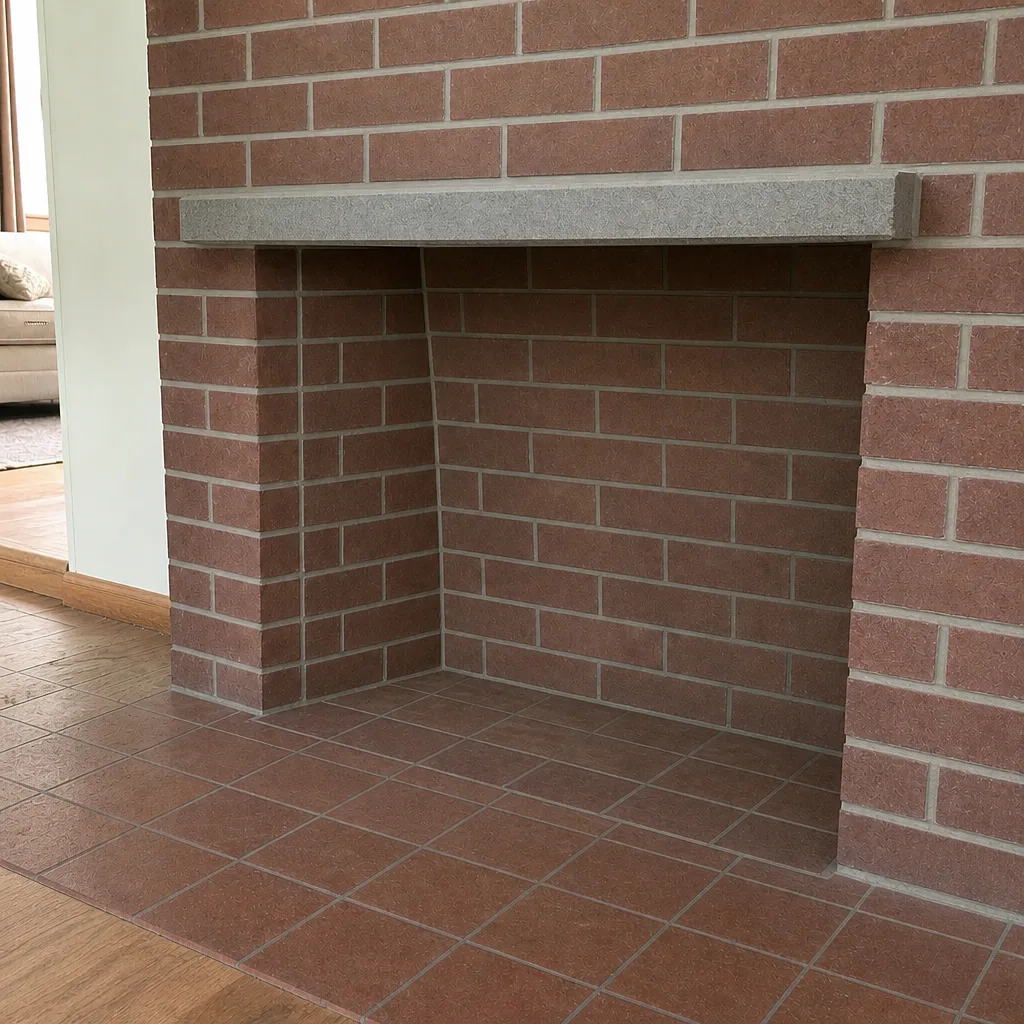
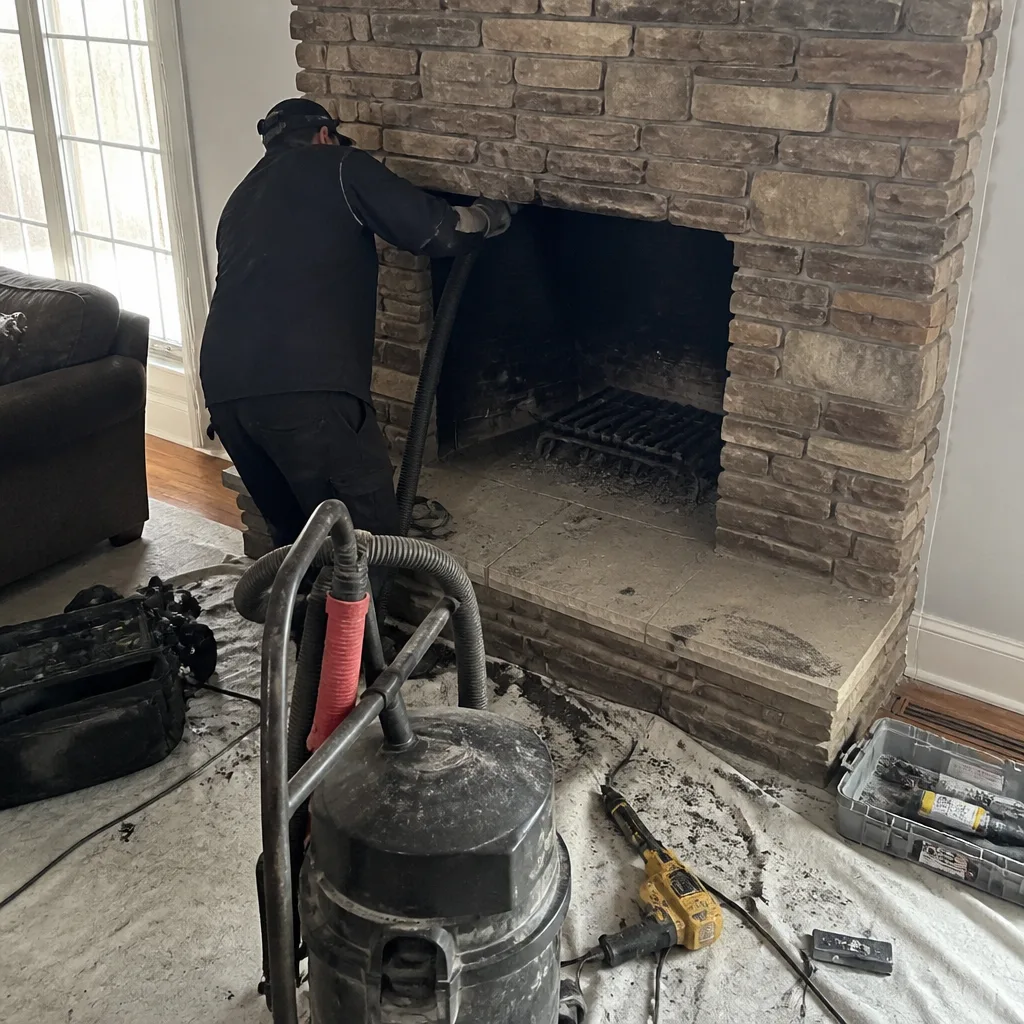
See the difference
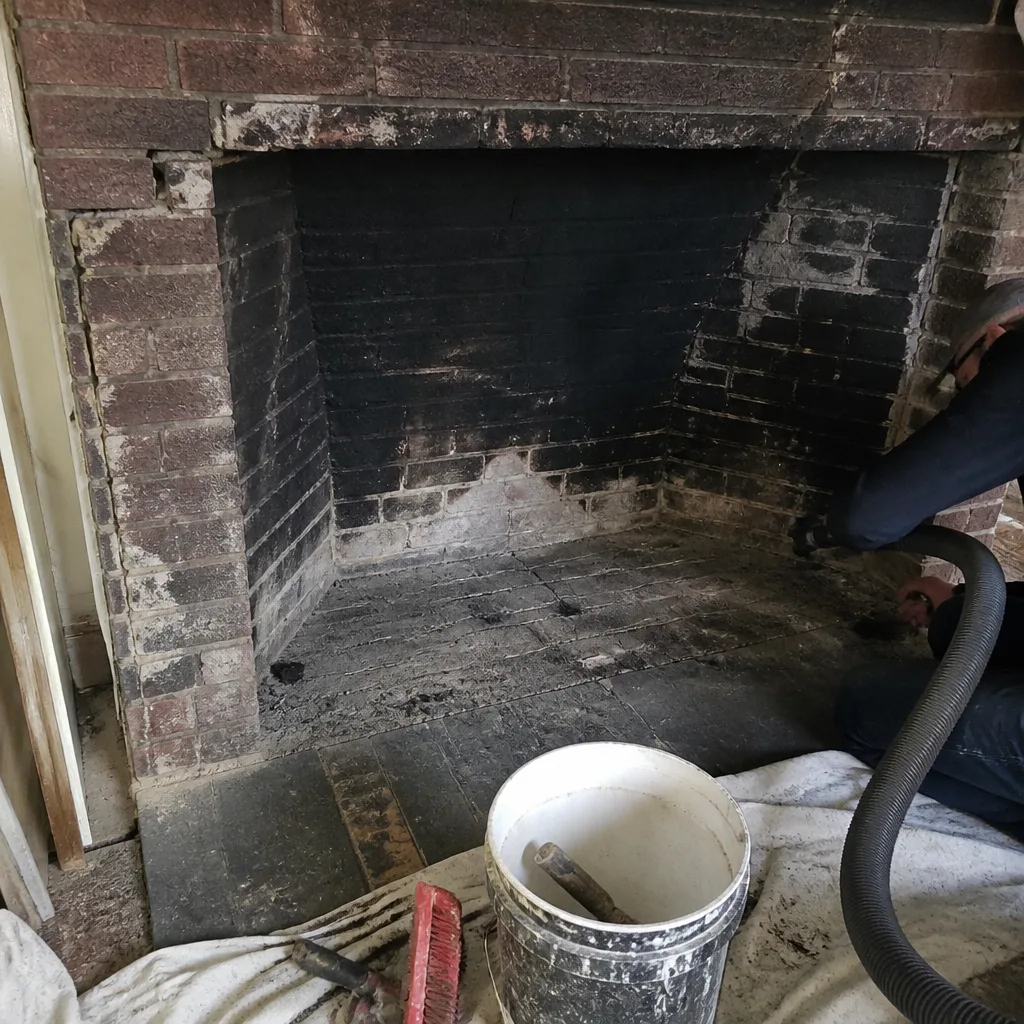 Before
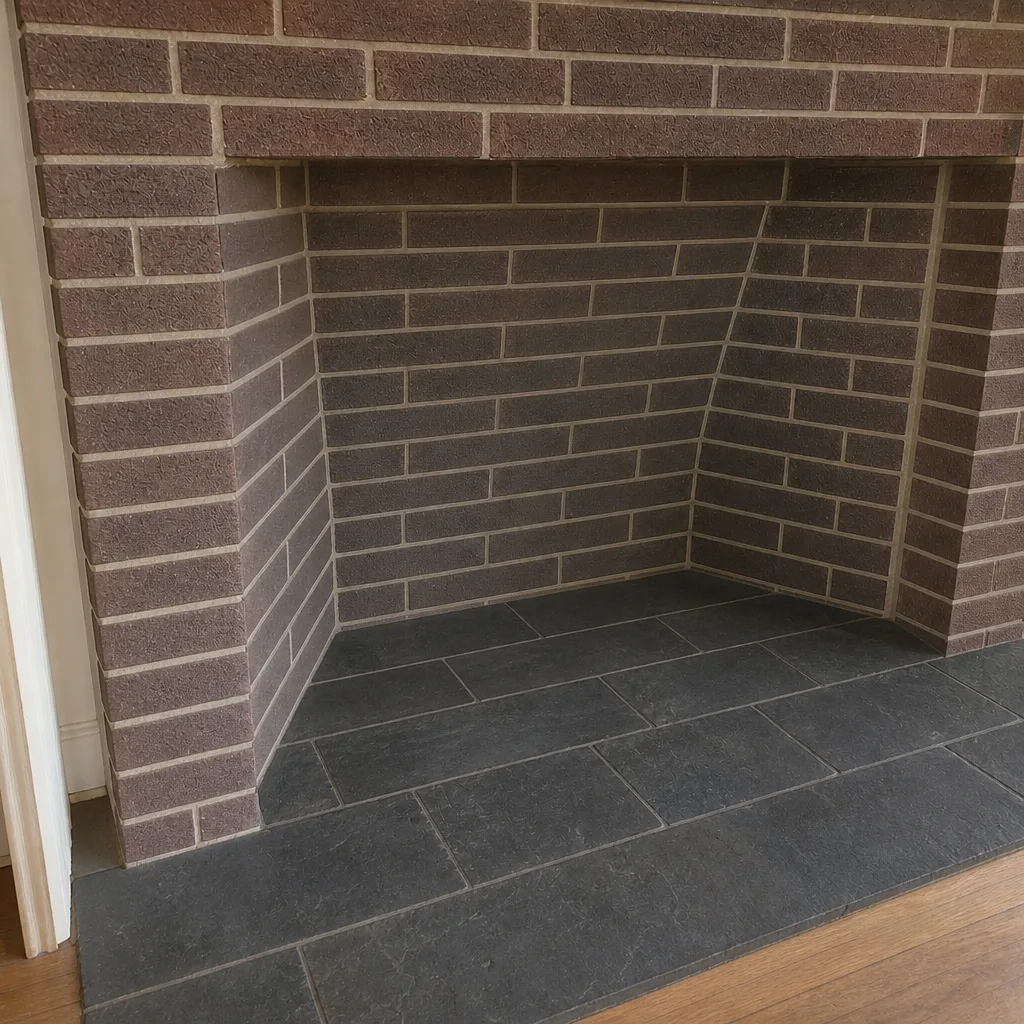 After
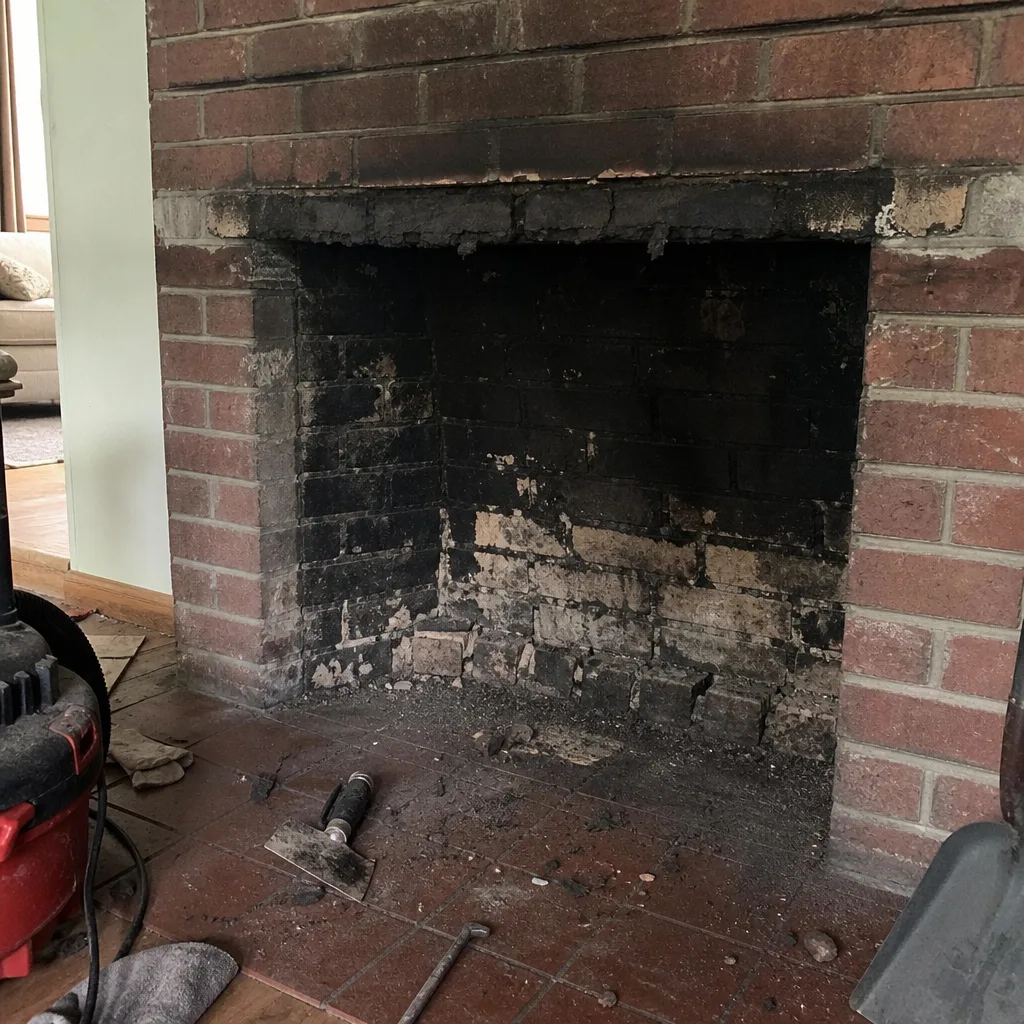 Before
 After
 Before
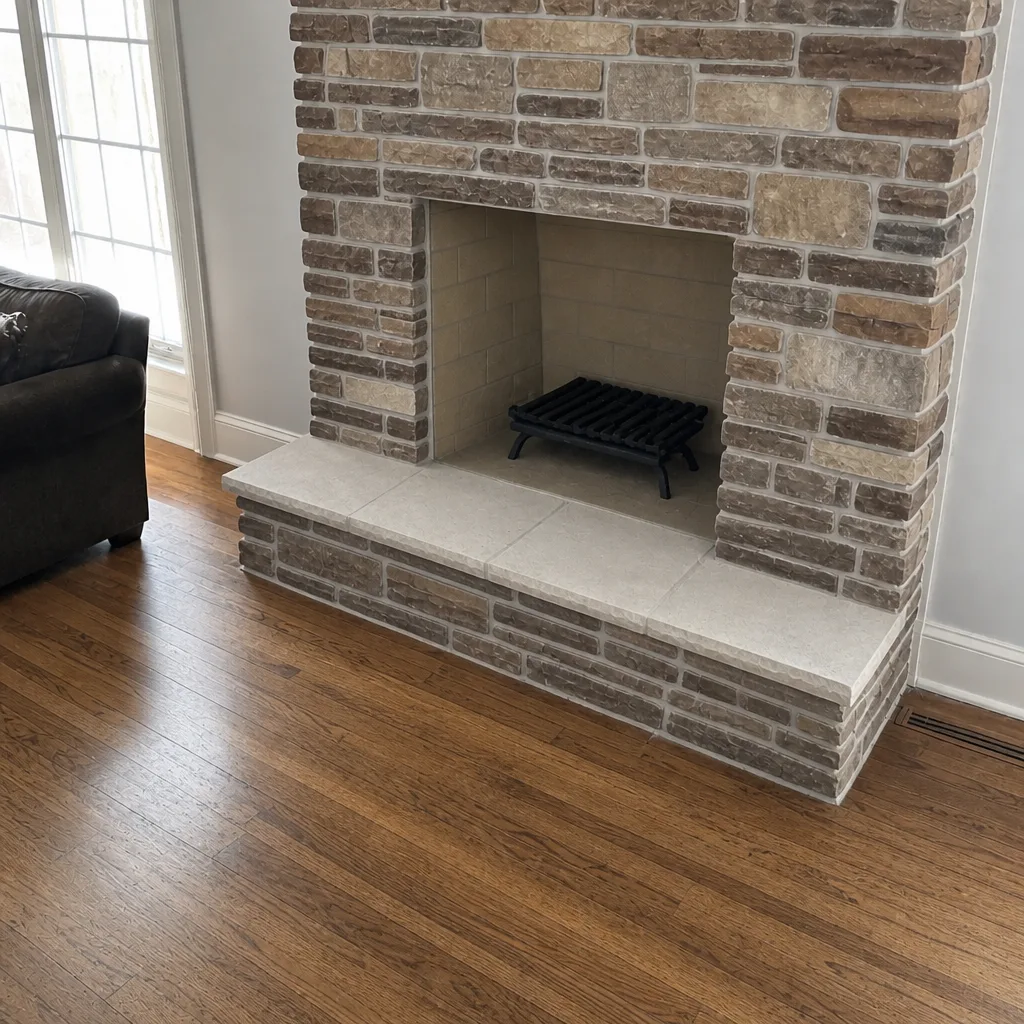 After
When to Call a Professional
Call a professional when any of the following applies: your chimney has no cap or a damaged one; you’ve seen birds or squirrels entering the flue; you smell moisture or smoke in the firebox; your draft has changed mid-season; you see new staining, spalling, or cracking on the exterior masonry; or it’s simply been more than a year since the last inspection. Roof-level inspection is a fall hazard, so leave the crown and cap work to us. Hawk Chimney Sweep offers free estimates in St. Louis. Call (866) 596-7310. We answer 24/7. Fast dispatch from 7am to 7pm, Sunday through Friday.
Frequently Asked Questions
Once a year is the minimum for most homes, but a spring inspection plus a fall sweep is a better rhythm in a climate with freeze-thaw cycles. The sweep handles the creosote; the spring inspection handles the structural damage winter did. If you burn heavily or have a wood stove, check the flue more often. Call (866) 596-7310 for an exact quote; estimates are free.
A routine sweep in the St. Louis market typically runs in the low-to-mid hundreds of dollars, and a full inspection is usually priced separately or bundled with it. Repair work is quoted per job, with the written estimate setting the final price. The exact number depends on flue size, creosote load, and whether the inspection turns up anything that needs fixing. Call (866) 596-7310 for an exact quote; estimates are free.
Not always. A cracked or spalling clay liner can sometimes be resurfaced with HeatShield rather than replaced, and a structural failure may call for a DuraFlex flexible liner system. The honest answer is that you need a liner repair only if the inspection shows the liner has actually failed, and you should see the evidence before agreeing to anything. Call (866) 596-7310 for an exact quote; estimates are free.
Skipping a year doesn’t cause an immediate problem, but it lets small issues compound: creosote builds, a hairline crown crack widens through a freeze, a cap comes loose and lets an animal in. None of these fail on a schedule, which is exactly why the annual check matters. Call (866) 596-7310 for an exact quote; estimates are free.
Spring is when freeze-thaw damage from winter is fully visible, and it’s when repairs can be done with the dry season ahead of them. A fall inspection catches the same damage months later, with less time to fix it before the first fire. Call (866) 596-7310 for an exact quote; estimates are free.
Some of it, yes: clean the firebox, close the damper, and look at the cap and crown from the ground. Roof-level work, particularly checking the crown and cap, is a fall hazard on a steep or wet roof and is better left to a professional. Call (866) 596-7310 for an exact quote; estimates are free.
The Bottom Line
St. Louis chimney care works on a seasonal cycle, not an annual event: inspect in spring while freeze-thaw damage is visible, sweep and repair in late summer before burning season, watch for changes mid-winter, and close the system out properly at season’s end to keep moisture and animals out. A September sweep beats an October one because it leaves time to fix what the inspection finds. The homeowner who looks in April avoids the October emergency, and the chimney stays a repair instead of becoming a replacement. From cap to firebox, the goal is the same: see what’s happening before it becomes a fire or a carbon monoxide problem.
If your chimney hasn’t been inspected since last season, or you’re not sure what the last inspection covered, call Hawk Chimney Sweep at (866) 596-7310 for a free estimate. We answer 24/7. Fast dispatch from 7am to 7pm, Sunday through Friday.
Written by the team at Hawk Chimney Sweep.