
Last updated November 15, 2026
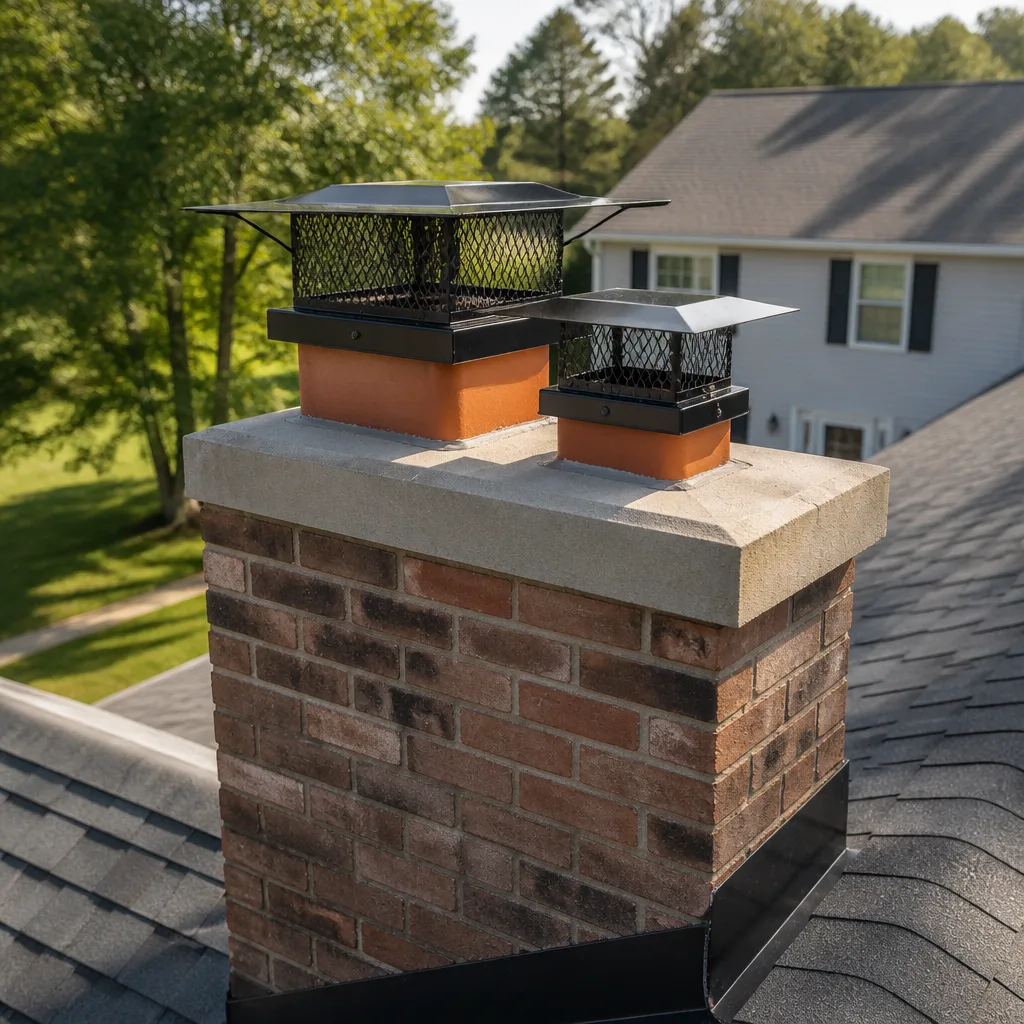 Sweep & inspection
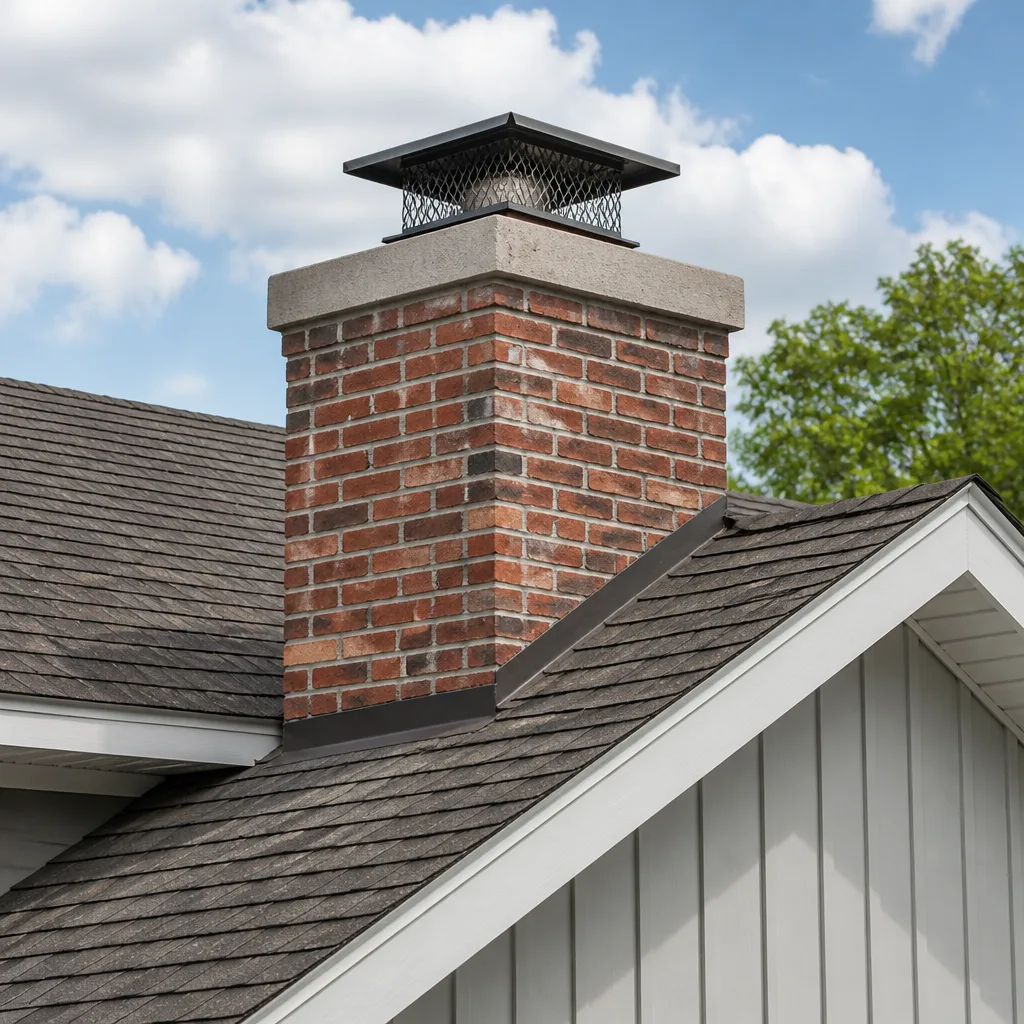 Caps & crowns
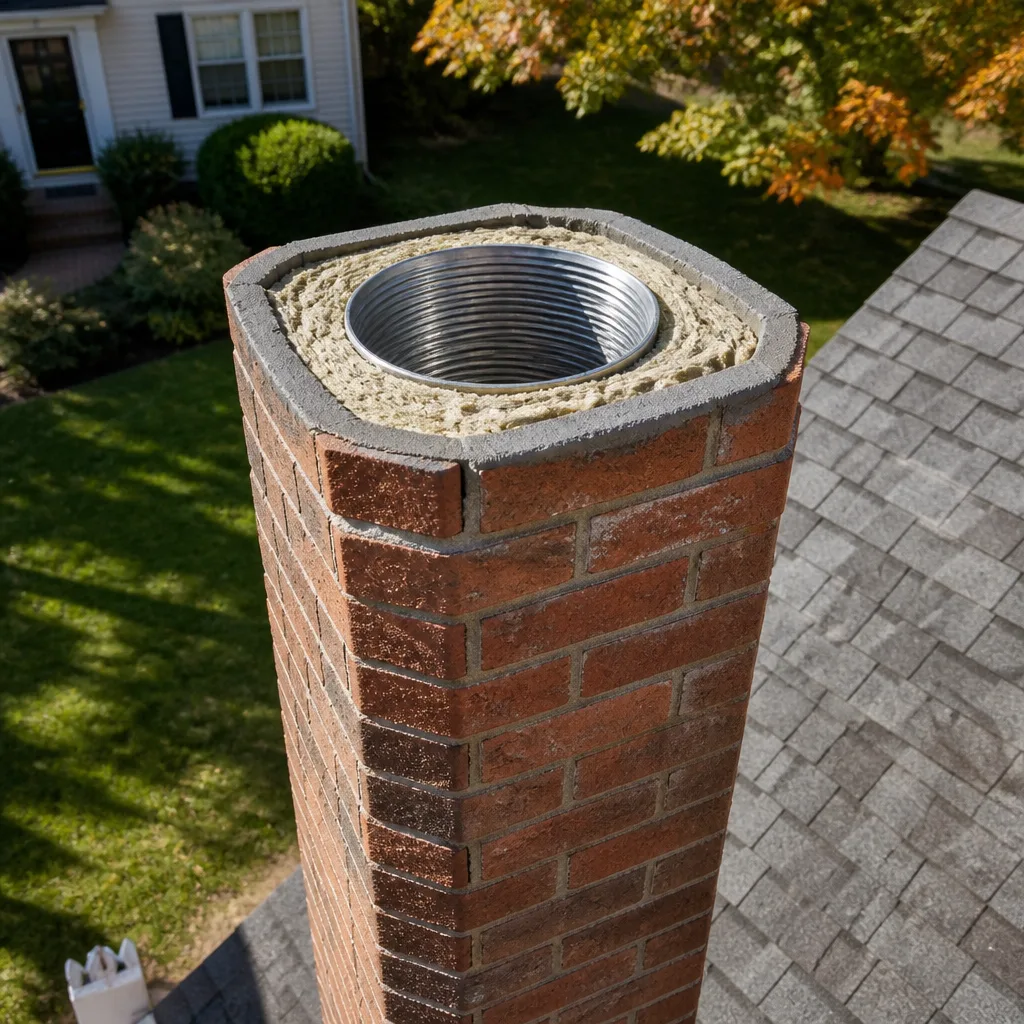 Flue relining
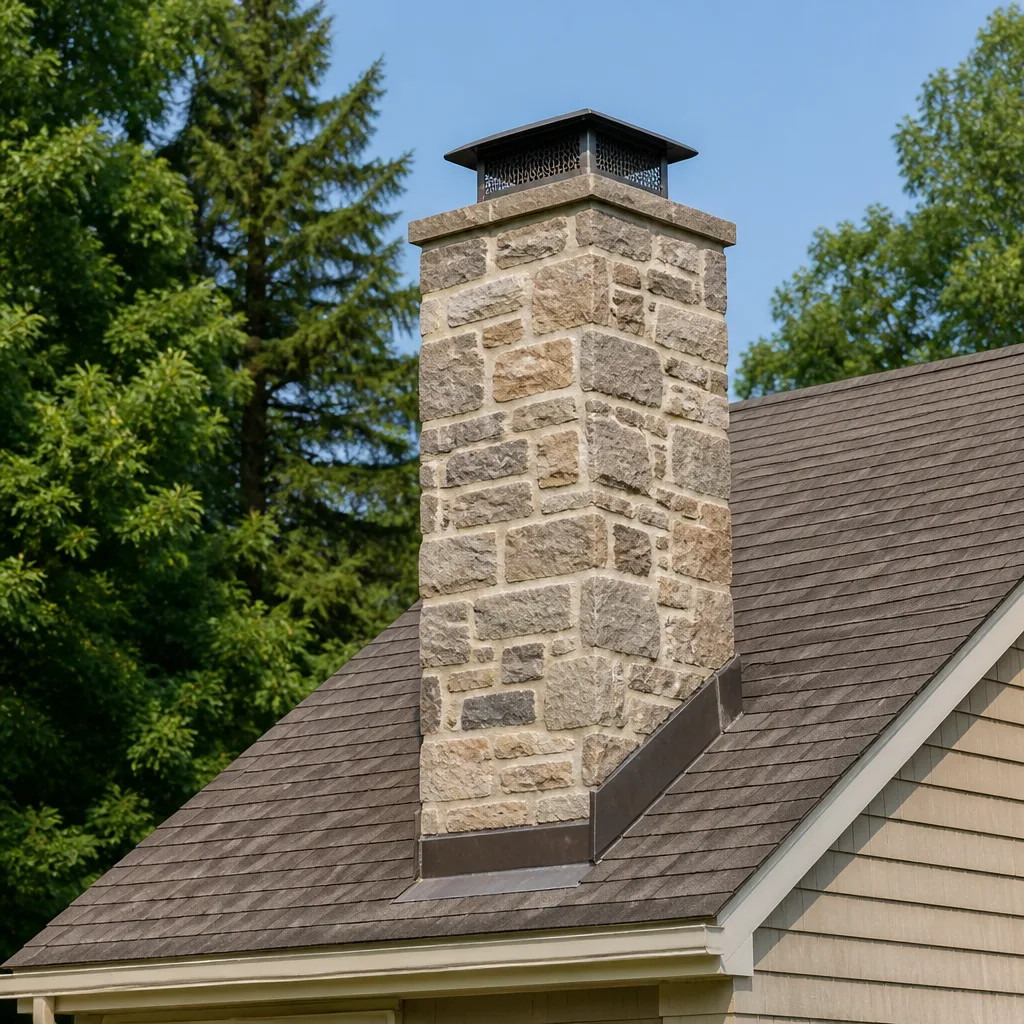 Masonry repair
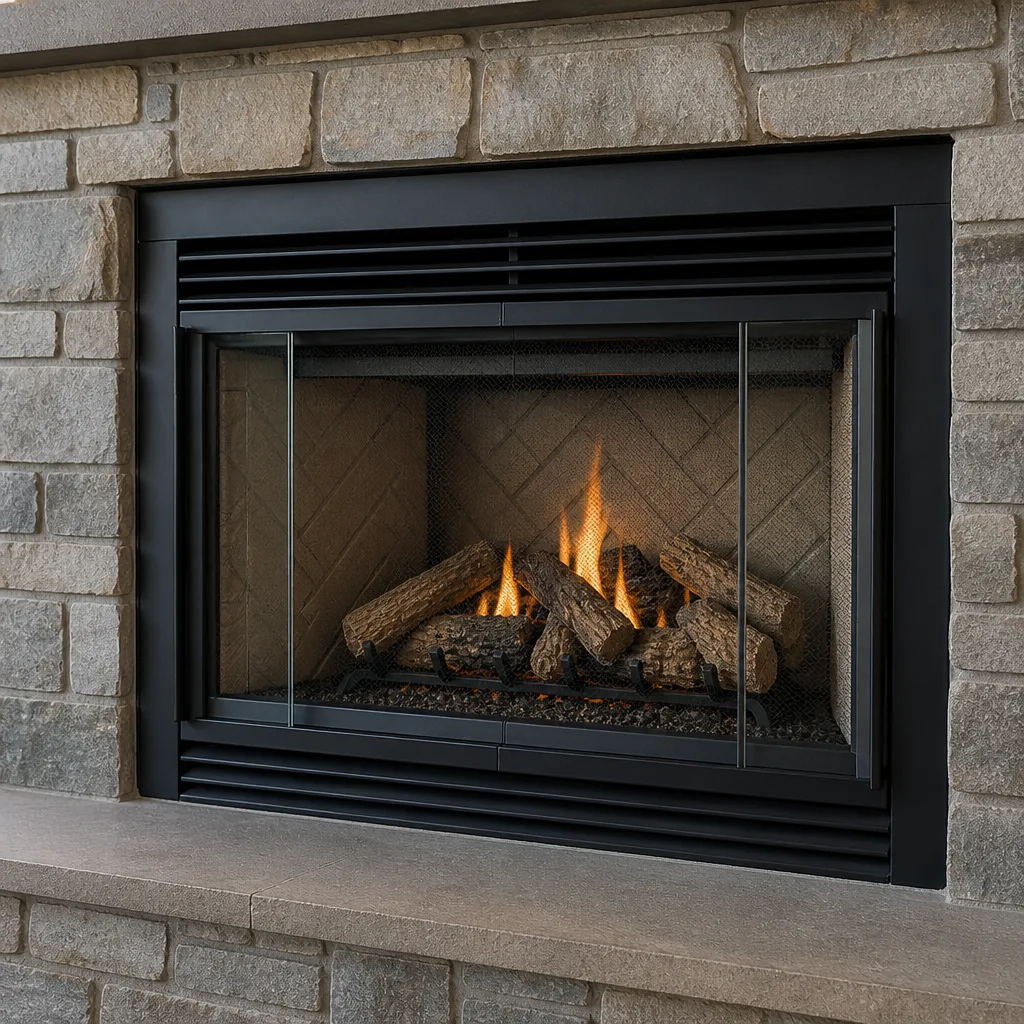 Gas fireplace service
Level 1 sweep and inspection to the NFPA 211 annual standard - flue, crown, cap, and flashing checked and photographed
Chimney sweep logs do not sweep chimneys. They loosen some creosote - which then falls where a brush and vacuum still have to collect it.
Chimney Sweep Maintenance Schedule: What to Do and When
Scheduling your chimney sweep in October, like most homeowners do, means you’re booking it after creosote has already been baking in a hot flue all summer. The timing most people follow is actually the worst possible sequence. Chimney care isn’t one task per year; it’s a layered system of checks timed to St. Louis’s real burning season, our freeze-thaw winters, and the fuel you actually burn. This guide breaks that system down month by month, so nothing gets skipped and nothing gets done out of order. You’ll learn what to inspect yourself, what needs professional tools, and how the calendar shifts with your habits.
Quick Answer
A chimney should be swept and inspected once a year, and the best time to book that service in St. Louis is late summer or early fall, before the October-to-March burning season begins. Add a mid-season visual check, a post-season sweep if you burn heavily, and a post-storm inspection after ice, high wind, or a spring thaw. The schedule below splits those into pre-season, mid-season, and post-season layers.
Styles & brands we work with
- Sweep & inspection
- Caps & crowns
- Flue relining
- Masonry repair
- Gas fireplace service
Table of Contents
- Why Timing Matters More Than Frequency
- Pre-Season: Late August Through September
- Mid-Season: December Through January
- Post-Season: March Through April
- What You Should Check Yourself Every Month
- How Wood Type and Burn Frequency Change the Schedule
- Storm and Thaw Triggers Specific to St. Louis
- Building a Maintenance Log That Catches Problems Early
Why Timing Matters More Than Frequency
Most homeowners think of chimney maintenance as a single annual event. Scheduling a chimney sweep is important, but the timing of that sweep is what most people get wrong. Creosote, the tarry byproduct of wood smoke, accumulates during the burning season and then sits in the flue through the warm months. That idle period is when the deposits harden and glaze, and it’s also when small cracks in the liner can widen with the summer heat cycles. If you wait until autumn to schedule your sweep, you’re cleaning out a year of hardened deposits right when you’re about to add more.
Here in St. Louis, the burning season runs roughly October through March, which means you’re looking at six months of regular fire use. The rest of the year is when the flue rests, dries out, and settles. That resting period is when good maintenance happens. A sweep in late summer catches the deposit layer before the new season adds to it. A post-season check in April catches anything that developed during the cold months.
The alternative, sweeping in the middle of winter, isn’t wrong, but it means you’re cleaning a hot flue and re-dirtying it within days. Late summer is the sweet spot. You get a clean flue, a fresh inspection, and the full burning season ahead of you without a scrub brush in the middle of it. If you haven’t booked yet, spring and early summer are quieter months and easier to schedule.
Pre-Season: Late August Through September
The pre-season window is the most important part of the calendar. It’s when you want the chimney swept, inspected, and any repairs handled before the first fire. In St. Louis, September is usually the last comfortable month before homeowners start thinking about firewood, and it’s also when the weather is dry enough to make exterior chimney work practical. Booking a sweep in late summer saves you the October rush, and it gives you time to fix anything the inspection turns up.
Here’s what belongs in the pre-season window:
- Full chimney sweep. A proper sweep removes soot, creosote, and any nesting debris from the flue. It’s the cleaning half of maintenance and it’s non-negotiable at the start of the season.
- Level 2 inspection. If you haven’t had one in a year, or if anything about the chimney has changed, this is the moment. The inspection covers the flue interior, the firebox, the damper, the cap, and the exterior masonry.
- Cap and crown check. The cap keeps rain and animals out; the crown keeps water from infiltrating the masonry at the top. Both are checked and repaired in dry weather.
- Damper operation. A damper that sticks or doesn’t seal properly wastes heat and lets cold air in. Test it before the season, not after.
- Liner assessment. Any cracks, gaps, or deterioration in the flue liner get flagged here. If relining is needed, installing a chimney repair solution like DuraFlex before the season starts is far easier than addressing it mid-winter.
In St. Louis, pre-season also means checking for what the previous year left behind. Squirrels, birds, and raccoons are known to nest in uncapped chimneys over the summer, and the pre-season sweep catches those blockages before smoke backs up into the house. If you’re in an older neighborhood, such as the brick homes around Tower Grove or the Central West End, the pre-season inspection also catches mortar joints that have loosened with the freeze-thaw cycle.
Mid-Season: December Through January
Once you’re in the middle of the burning season, you’re not scheduling another professional sweep unless something went wrong. What you’re doing in December and January is a visual check and a habit reset. If you burn daily or nearly daily, the flue is accumulating creosote faster than a light user’s, and the mid-season check is how you catch a problem before it becomes a fire risk.
What to do mid-season:
- Look at the firebox floor. After a fire cools, look for soot patterns that suggest poor draft. Heavy black soot on the glass of a stove or on the firebox walls can indicate incomplete combustion.
- Watch for smoke rolling back into the room. A fire that smokes when you first light it and then settles is usually fine. A fire that smokes continuously means the draft is compromised, and that’s a reason to stop burning and call for an inspection.
- Check the cap from the ground. After any snow or ice event, look up at the chimney top. A cap that’s tilted, missing, or clogged with snow needs attention before the next fire.
- Clear ash at safe intervals. Built-up ash in the firebox restricts airflow and affects draft. Empty the ash pan when it’s full, and never leave hot ash inside the house.
St. Louis winters can swing between mild weeks and hard freezes, which stresses the chimney exterior. A quick monthly walk-around in December and January catches visible masonry cracks before they widen. If you’re burning daily and your wood is on the greener side, this is also the time to think about scheduling an early spring sweep instead of waiting for next fall.
Post-Season: March Through April
The post-season window is the one most homeowners skip. It’s also the one that catches the most expensive problems. Once the burning season ends, the flue begins to dry out, and the freeze-thaw cycle in St. Louis goes to work on any moisture that got into the masonry. Spring is when small cracks become bigger ones, and when mortar that was fine in October can start spalling.
What belongs in the post-season window:
- Final sweep if you burn heavily. If you burned through the season with regular fires, a post-season sweep takes the creosote out before it has all spring and summer to harden.
- Exterior masonry check. Walk around the chimney and look for new cracks, spalled brick faces, or white staining that suggests moisture. This is the check that catches a deteriorating chimney crown before it does structural damage.
- Cap and flashing inspection. The cap and the flashing at the roofline take the worst of St. Louis ice and wind. If either has moved, water will follow.
- Flue liner review. A post-season inspection with cameras catches liner damage from the burning season. If the liner has deteriorated, HeatShield resurfacing can restore a clay flue without a full tear-out, and we can walk you through whether that applies to your chimney.
- Damper and firebox sweep. Ash residue and soot left in the firebox through spring attract moisture and odor. A quick clean-out at the end of the season pays off.
If the post-season inspection turns up a repair, you have all spring and summer to schedule it. That’s the practical advantage of the calendar: repairs in April are easier than repairs in November. For context on what happens when the whole St. Louis area’s chimneys go into the season, the October-to-March demand spike tells you plenty about how many homeowners wait.
What You Should Check Yourself Every Month
Not everything needs a professional. Some inspections belong to the homeowner, and doing them monthly keeps you informed about what’s happening between service visits. The trick is knowing the line between a visual check you can do from the ground and a diagnostic inspection that requires tools.
What you can and should check yourself:
- Cap condition. From the ground with binoculars, look at the cap. Is it straight? Is it intact? Any visible damage or displacement means call for a service visit.
- Damper operation. Open and close the damper before each fire, and once monthly when not in use. It should move freely and seat properly.
- Firebox floor. After the fire is out and cooled, look at the firebox floor and walls for cracks, soot patterns, or loose mortar.
- Creosote signaling. Flakes of creosote on the damper or at the top of the firebox suggest deposits are building up. Glazed, shiny creosote is the serious kind and needs professional removal.
- Smoke and draft behavior. How the fire lights, how it draws, and whether smoke rolls back tells you a lot about flue health.
What requires professional tools and eyes:
- Anything inside the flue, including the liner interior.
- Camera inspection of the flue and the smoke chamber.
- Roof-level or cap-level work.
- Any repair of masonry, liner, damper, or flashing.
If you see creosote glazing, continuous smoke roll-back, or visible liner cracks, stop burning and get a professional inspection. Call (866) 596-7310 for a same-day visit. We answer 24/7. Fast dispatch from 7am to 7pm, Sunday through Friday.
How Wood Type and Burn Frequency Change the Schedule
Here’s where the calendar stops being the same for every house. A homeowner burning well-seasoned oak once a week needs a different inspection rhythm than one burning softwood daily. The annual sweep is the baseline, but the inspection interval should bend to your habits.
Well-seasoned hardwood: Oak, hickory, and other dense hardwoods burn hot and clean, and they produce less creosote per cord than softer wood. If you burn seasoned hardwood and fire regularly, the annual sweep and inspection remains the standard. That’s the rhythm most good chimney maintenance schedules are built around.
Softwood and mixed fuel: Pine, fir, and other softwoods burn quickly and produce more creosote volume per hour of fire. If your fuel is mostly softwood, or a mix of the two, the flue builds deposits faster and the mid-season check becomes more than a glance. Plan on a mid-season inspection if you burn softwood heavily.
Burn frequency matters just as much. A weekend fireplace user may not hit the deposit thresholds that a daily burner reaches. Conversely, a homeowner burning daily through a St. Louis winter can hit inspection triggers mid-season without realizing it. The general rule of thumb is: the more you burn and the softer the wood, the more frequent the inspection.
If your wood is on the greener side, or you’re unsure of moisture content, aim to sweep at whatever date puts you two sweeps ahead of a full season rather than one. For a homeowner getting their first Hawk Chimney Sweep service, this is the exact conversation the inspection is meant to start. We test the fuel-and-frequency picture along with the flue itself, so the next sweep is scheduled to your habits, not to a generic annual calendar.
Storm and Thaw Triggers Specific to St. Louis
St. Louis weather has a way of adding unscheduled tasks to the maintenance calendar. Ice, high wind, and the spring thaw each stress the chimney in a different way, and each has its own inspection trigger. These aren’t theoretical concerns; freeze-thaw cycles are the single biggest reason exterior masonry problems develop here, and the chimney is the most exposed masonry on the house.
Ice damming. When ice forms at the roof edge and melting snow backs up under the flashing, water enters the chimney chase. After any period of snow followed by a thaw, look for roof ice dams and for damp patches around the chimney at the ceiling. If you see either, schedule an inspection before the interior stain spreads.
High-wind cap displacement. A cap that has shifted lets water and animals directly into the flue. After a high-wind event, check the cap from the ground. If it’s tilted or missing, stop burning and call for a service visit to reattach or replace it.
Spring thaw mortar checks. When the ground thaws in March and April, moisture trapped in the masonry starts to move. Spalled brick faces, new cracks at the crown, and white salt deposits on the mortar are all signs of moisture infiltration. A post-thaw inspection is the right way to see how much the winter cost.
These triggers add up. If you get through a St. Louis winter with one cap displacement, one ice dam, and a spring with visible spall, you’ve got three inspections in a season on top of the annual sweep. That’s not over-service; that’s the price of a climate that freezes, thaws, and freezes again. For several neighborhoods across the area, exterior masonry maintenance schedules reflect this and adjust accordingly.
Building a Maintenance Log That Catches Problems Early
A chimney’s service history is worth more than a single inspection. A log that tracks every sweep, inspection, repair, and observation gives you a timeline to compare against, and it’s how you catch escalating problems before they become structural. The format matters less than the discipline of writing it down.
What your maintenance log should record:
- Date of service. Sweeps, inspections, and repairs, each with the date.
- Service type. Sweep, inspection, cap repair, liner work, crown repair.
- Findings. What was found, in plain language. “Liner shows minor cracking in upper section” is more useful than “inspection complete.”
- Products used. If a repair used a specific material, note it. HeatShield resurfacing, DuraFlex liner installation, Olympia Chimney components, or Gelco products each point to a different repair path if problems return.
- Homeowner observations. A note that you saw soot flakes on the damper in mid-January is diagnostic data.
- Next scheduled service. A date and the reason.
Read the log once a year. A single cracked liner noted in one inspection is a repair item; the same crack still noted two years later with a note of “widening” is a structural problem that needs a different conversation. Escalating patterns are easy to spot in a log and easy to miss in a stack of receipts.
Common Mistakes to Avoid
- Waiting until October to schedule the sweep. By then, the creosote from the previous season has sat in the flue all summer and hardened. Book late summer and give repairs time to happen before the first fire.
- Skipping the post-season inspection. Spring is when St. Louis freeze-thaw damage shows up, and it’s the only window to fix it before the next season. If you do one service a year, don’t make it the pre-season one alone.
- Treating softwood fuel like hardwood. If you burn pine or fir heavily, the annual sweep is a floor, not a ceiling. Do a mid-season check and let the flue dictate the schedule.
- Assuming a clean flue is a safe flue. Sweeps clean; inspections find the liner cracks, flashing gaps, and mortar deterioration that a sweep alone will miss.
- Ignoring the cap. A loose or damaged cap is a door for water and animals. Many St. Louis chimney problems start at the cap and travel down.
- Skipping the log. Without a written history, escalating repair needs get lost between seasons. Write it down every time.
- Burning green wood. Unseasoned wood produces more creosote volume and more soot. Season your wood and the schedule gets easier.
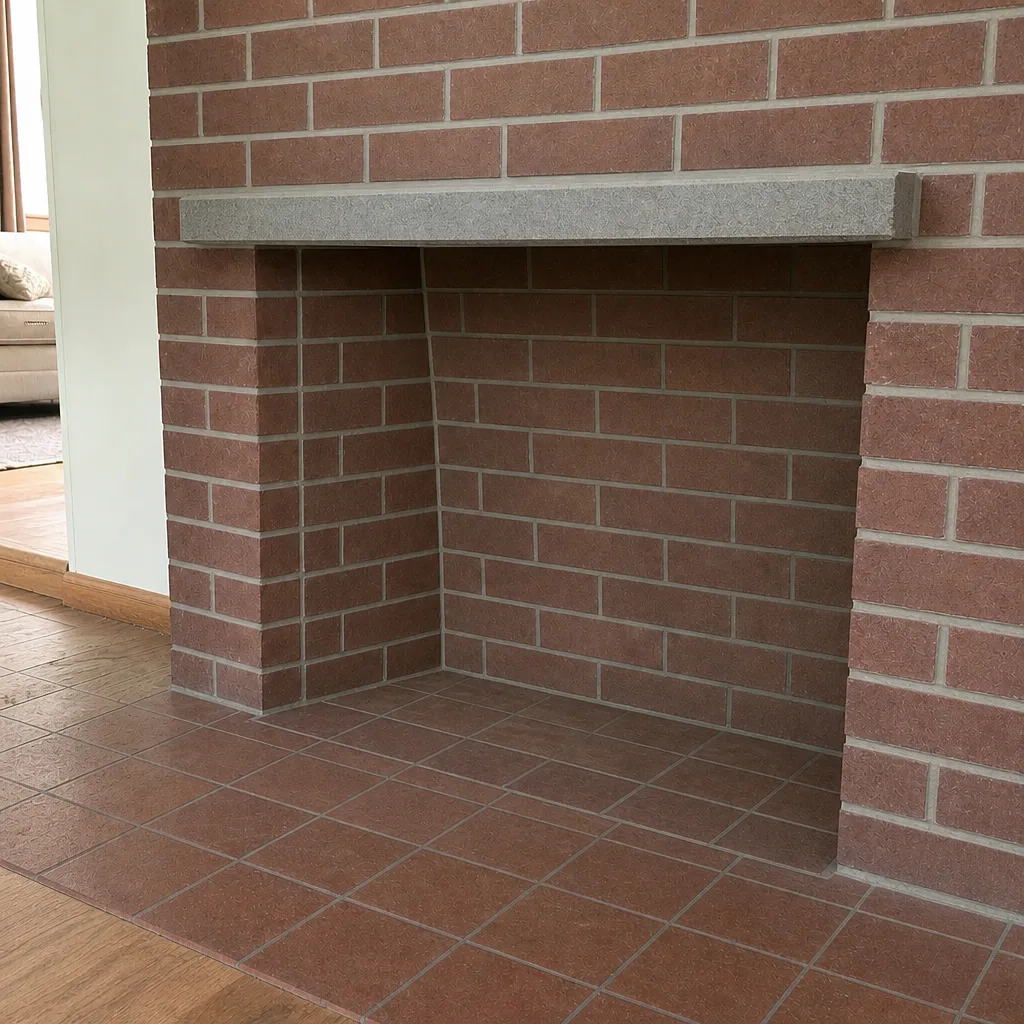
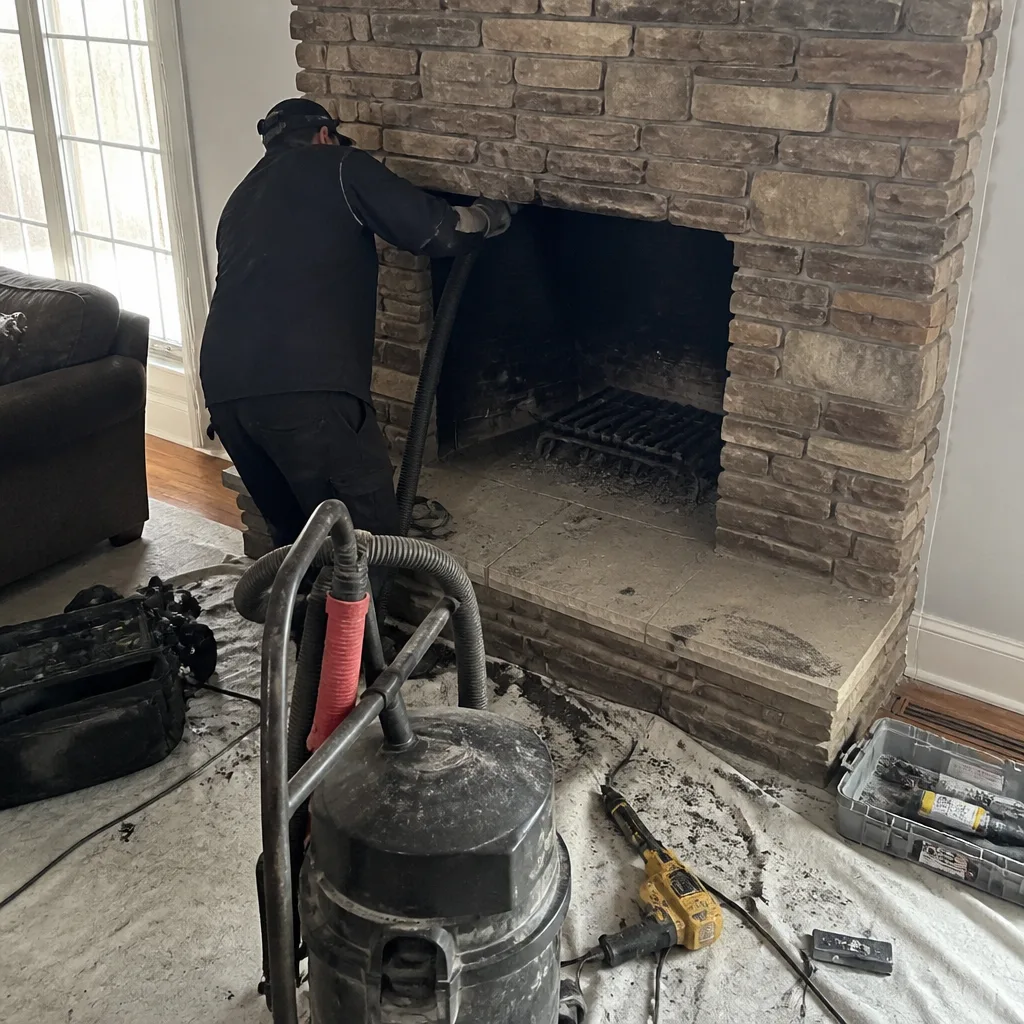
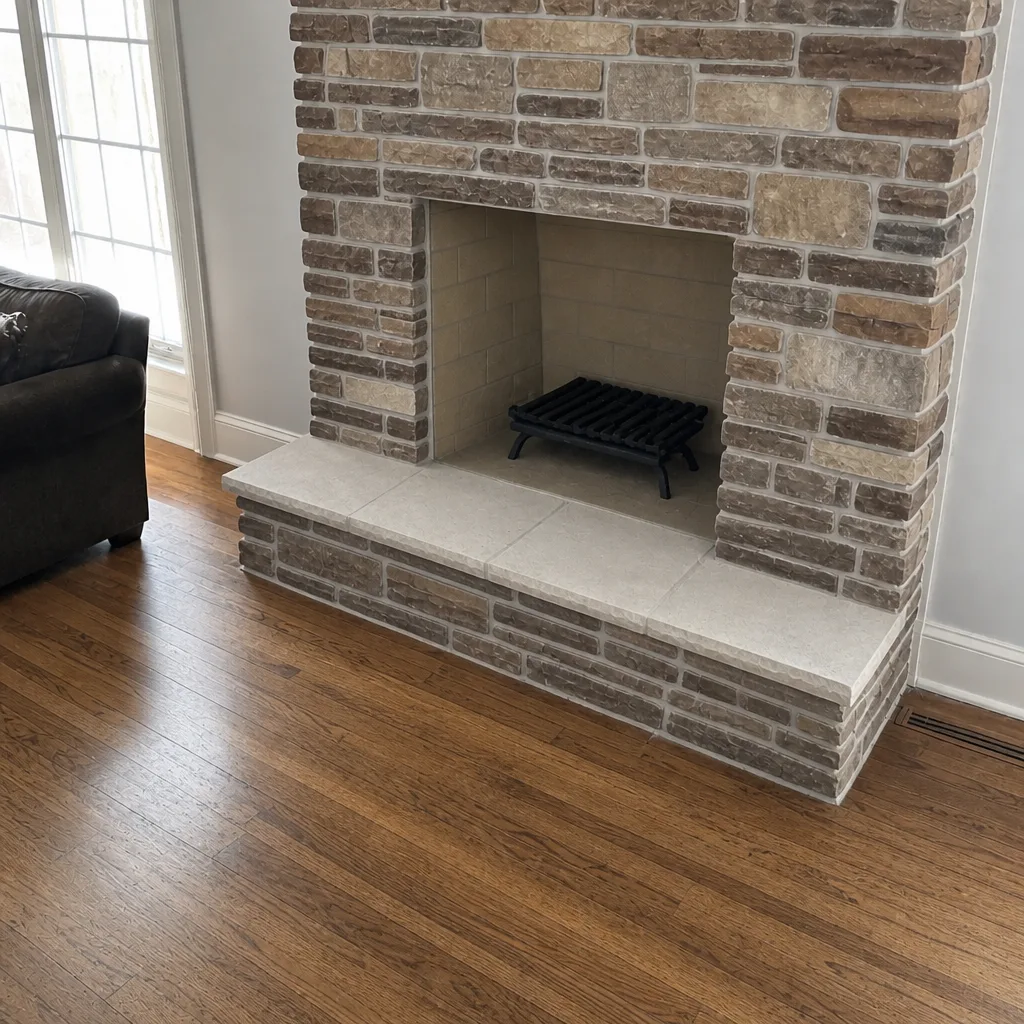
See the difference
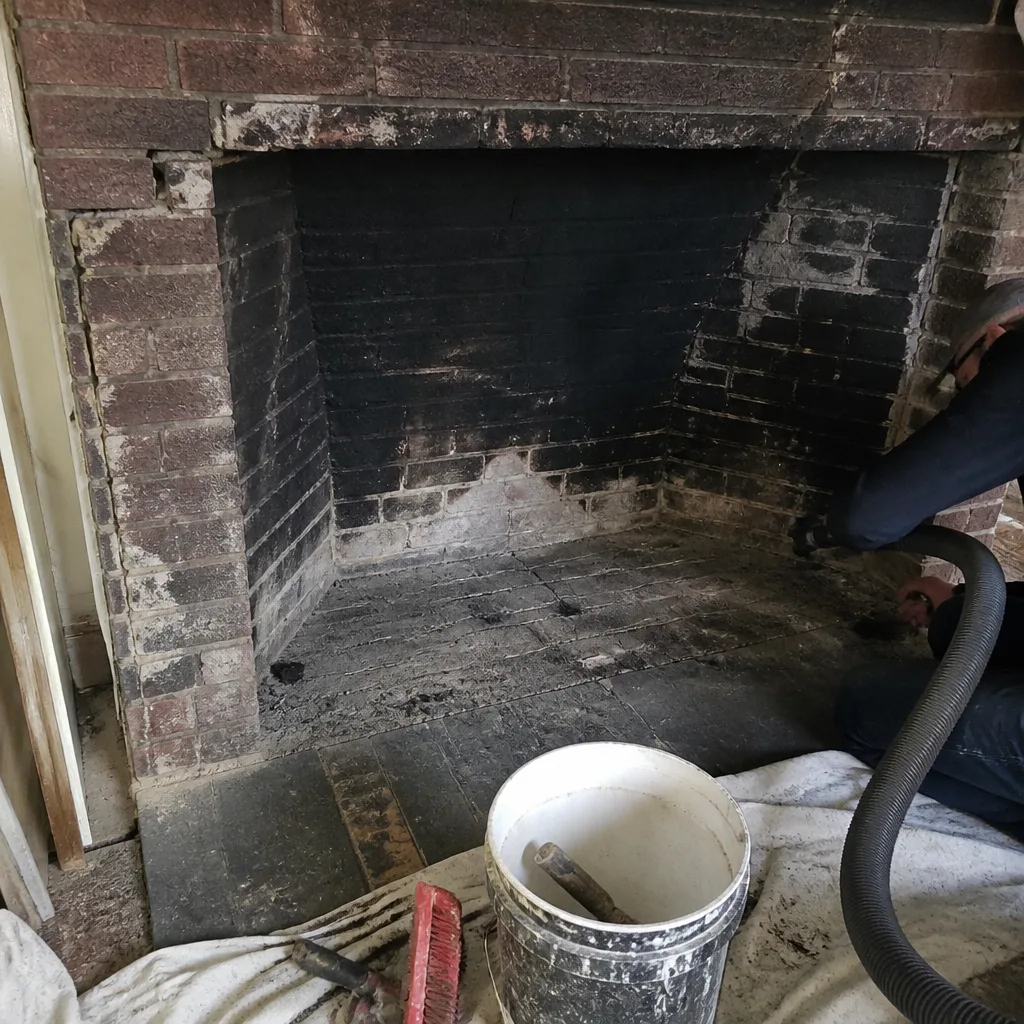 Before
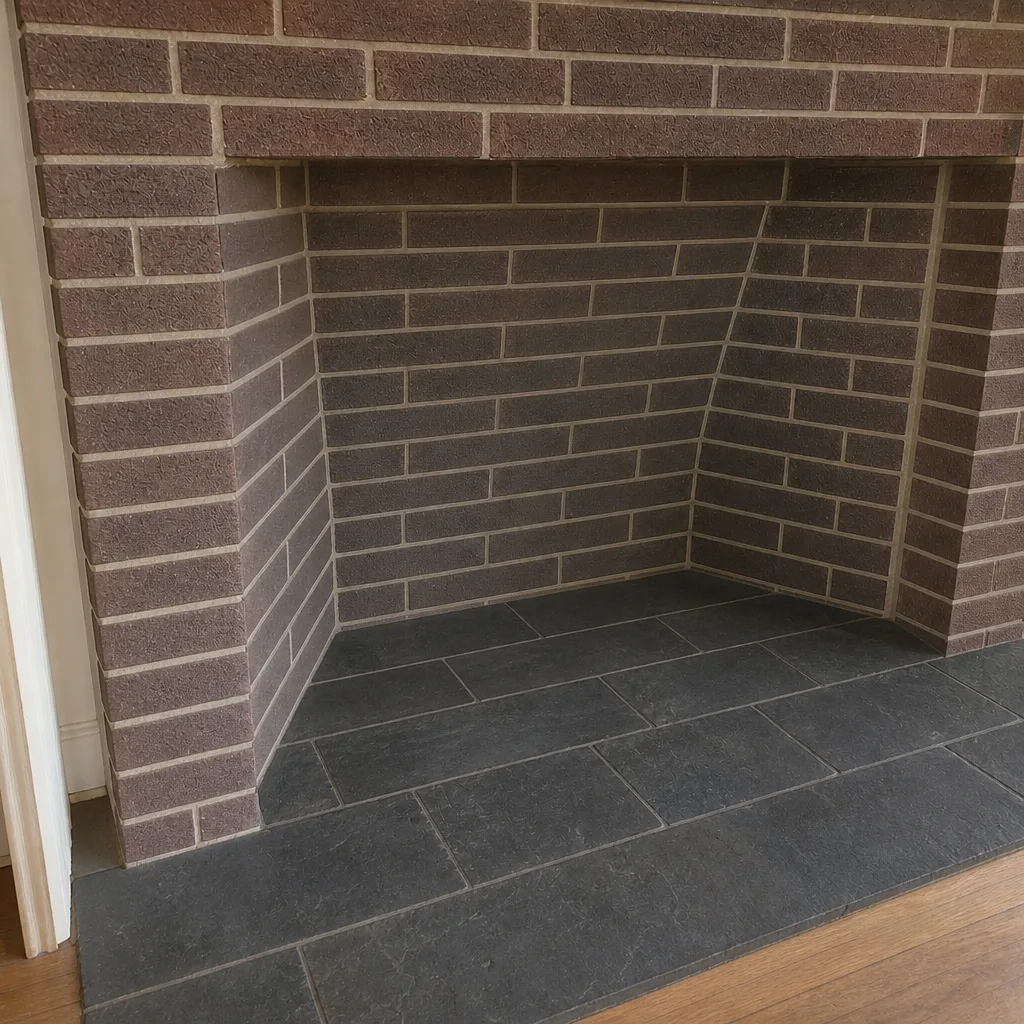 After
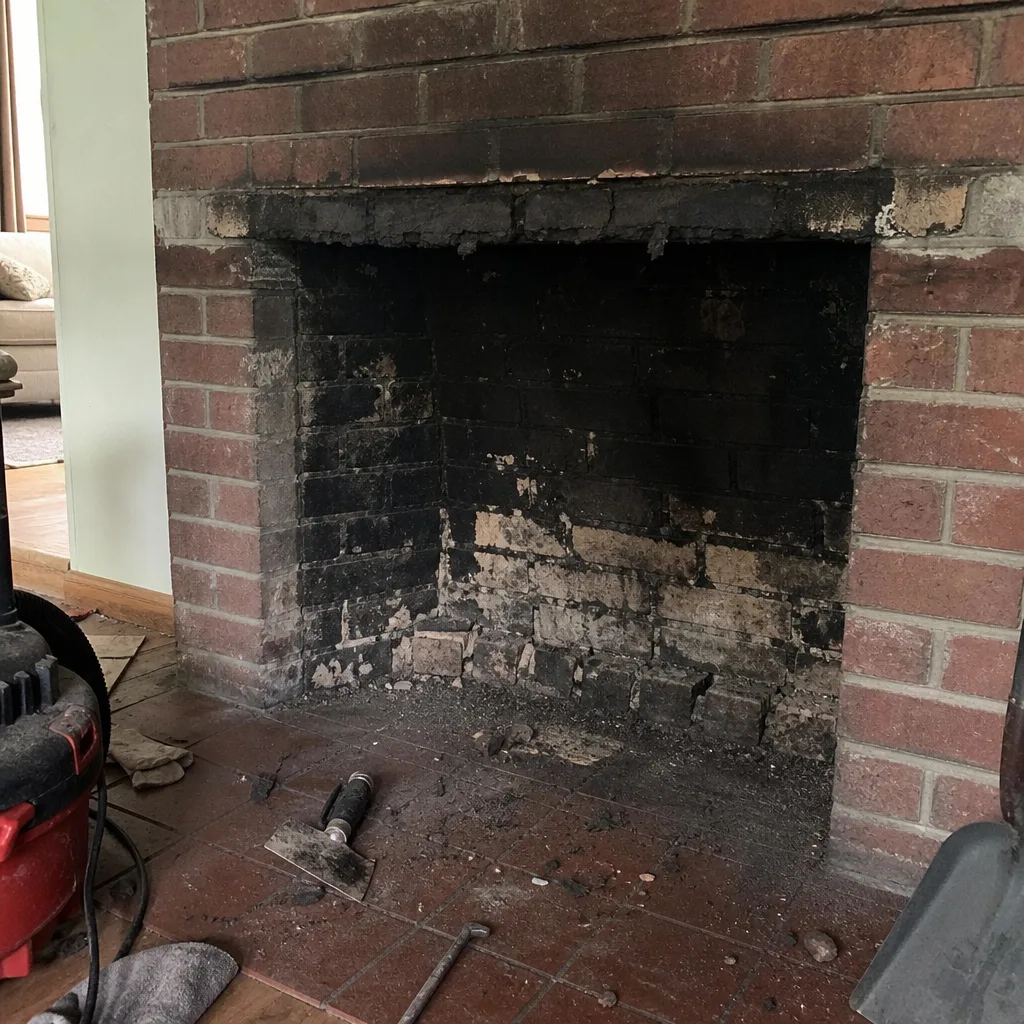 Before
 After
 Before
 After
When to Call a Professional
Some things are homeowner checks and some are professional calls. Stop burning and call if you see glazed creosote inside the firebox, if smoke rolls back into the room every time you light a fire, if the cap is tilted or missing, if you notice a stain on the ceiling around the chimney, or if you haven’t had a sweep or inspection in over a year. If you’re new to a house, schedule a full inspection before the first fire, regardless of what the previous owner said. Hawk Chimney Sweep offers free estimates in St. Louis, and we’ll give you a straight answer about what needs doing and when. Call (866) 596-7310. We answer 24/7. Fast dispatch from 7am to 7pm, Sunday through Friday.
Frequently Asked Questions
Once a year for most homes, though heavy burners using softwood should plan an additional mid-season inspection. Sweep before the burning season starts, and schedule a post-season check in April to catch freeze-thaw damage from the winter.
Late August or September is the best month in St. Louis, before the October-to-March burning season begins. Booking in late summer gives you a clean flue for the season ahead and time to complete any repairs before the first fire. Call (866) 596-7310 for an exact quote; estimates are free.
Yes. A sweep cleans, and an inspection finds. The inspection is what surfaces liner cracks, cap damage, flashing problems, and mortar deterioration that a sweep will miss. Our technicians have up to 12 years of experience working the flue and the exterior masonry, and the inspection is where that experience matters most.
Check the cap from the ground with binoculars, operate the damper before each fire, look at the firebox floor after the fire cools, and watch for soot flakes or smoke roll-back. Anything inside the flue, at the roofline, or in the masonry needs a professional.
Freeze-thaw cycles, ice damming, and high-wind events add unscheduled inspections to the calendar. After any winter storm or spring thaw, check the cap and look for stains around the chimney; call for a service visit if either looks off. Call (866) 596-7310 for an exact quote; estimates are free.
Creosote accumulates, hardens, and becomes a fire hazard. Liner cracks widen, moisture enters the masonry, and small repairs become structural ones. The risk isn’t immediate most of the time, but it compounds season to season, which is why the calendar matters more than any single service. Call (866) 596-7310 for an exact quote; estimates are free.
The Bottom Line
A chimney maintenance schedule is a calendar, not a checklist. Sweep and inspect in late summer, watch the flue mid-season, catch storm and thaw damage in spring, and log it all so trends can’t hide. St. Louis’s freeze-thaw winters make the post-season check as essential as the pre-season sweep, and your fuel type and burn frequency should bend the schedule to your habits. If you book only one service a year, do it in late summer. If you want to do it right, book two. For wood-burning fireplaces, gas inserts, and solid-fuel stoves, fast dispatch from 7am to 7pm, Sunday through Friday, and we answer 24/7. Call (866) 596-7310.
Written by the team at Hawk Chimney Sweep.