
Last updated November 15, 2026
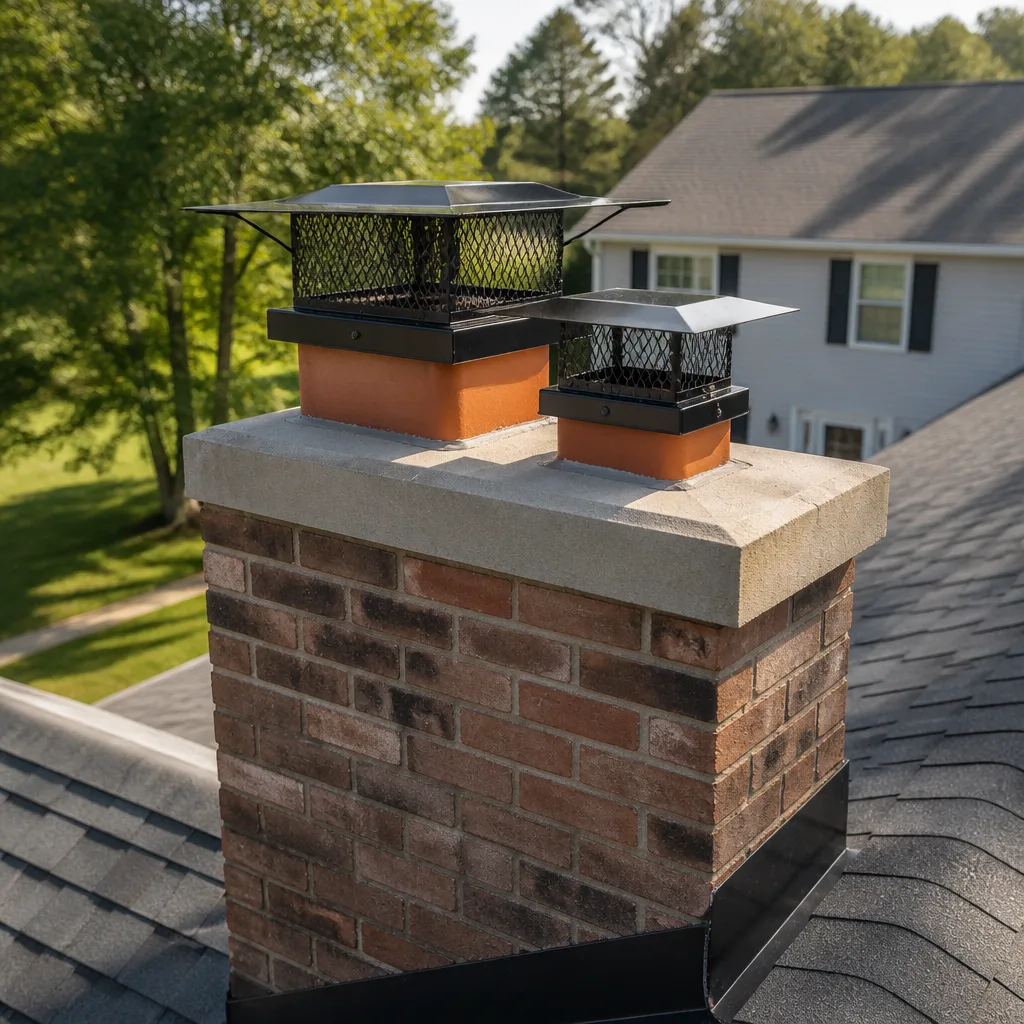 Sweep & inspection
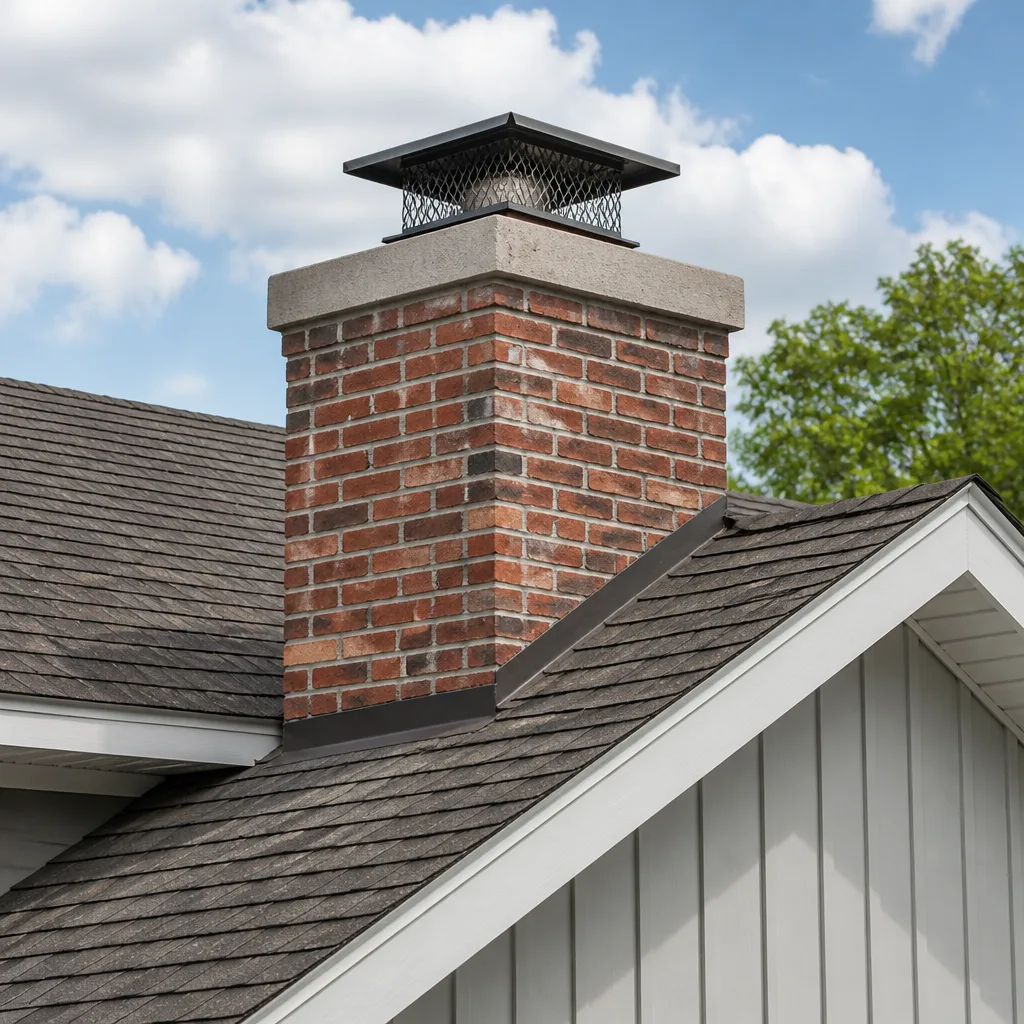 Caps & crowns
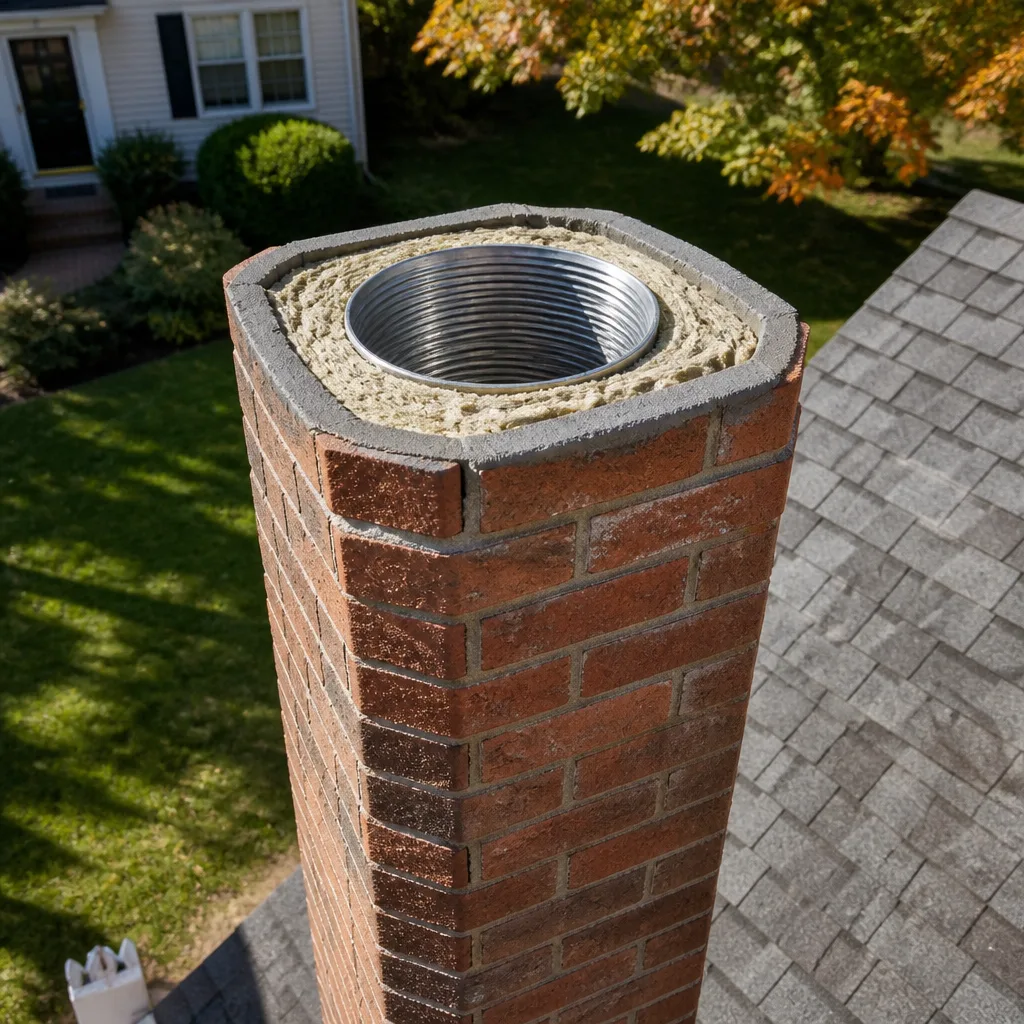 Flue relining
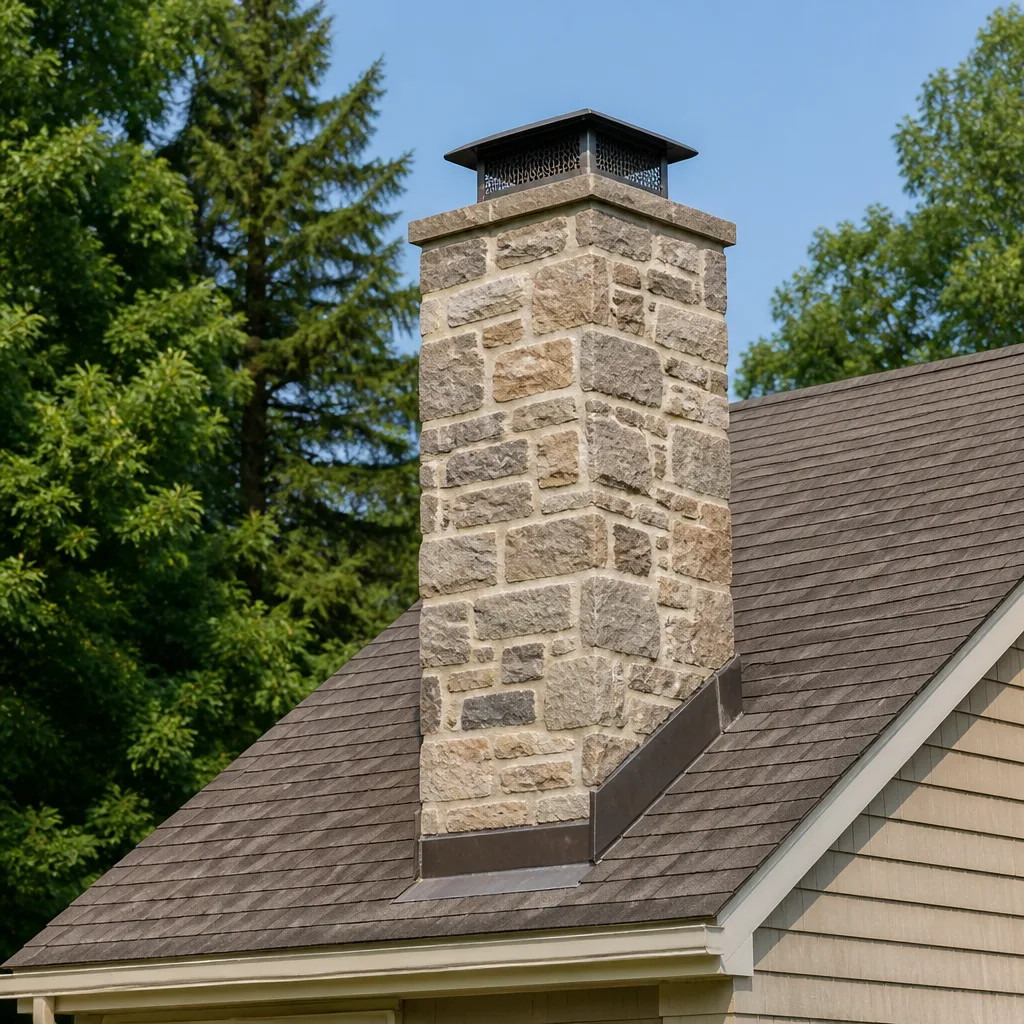 Masonry repair
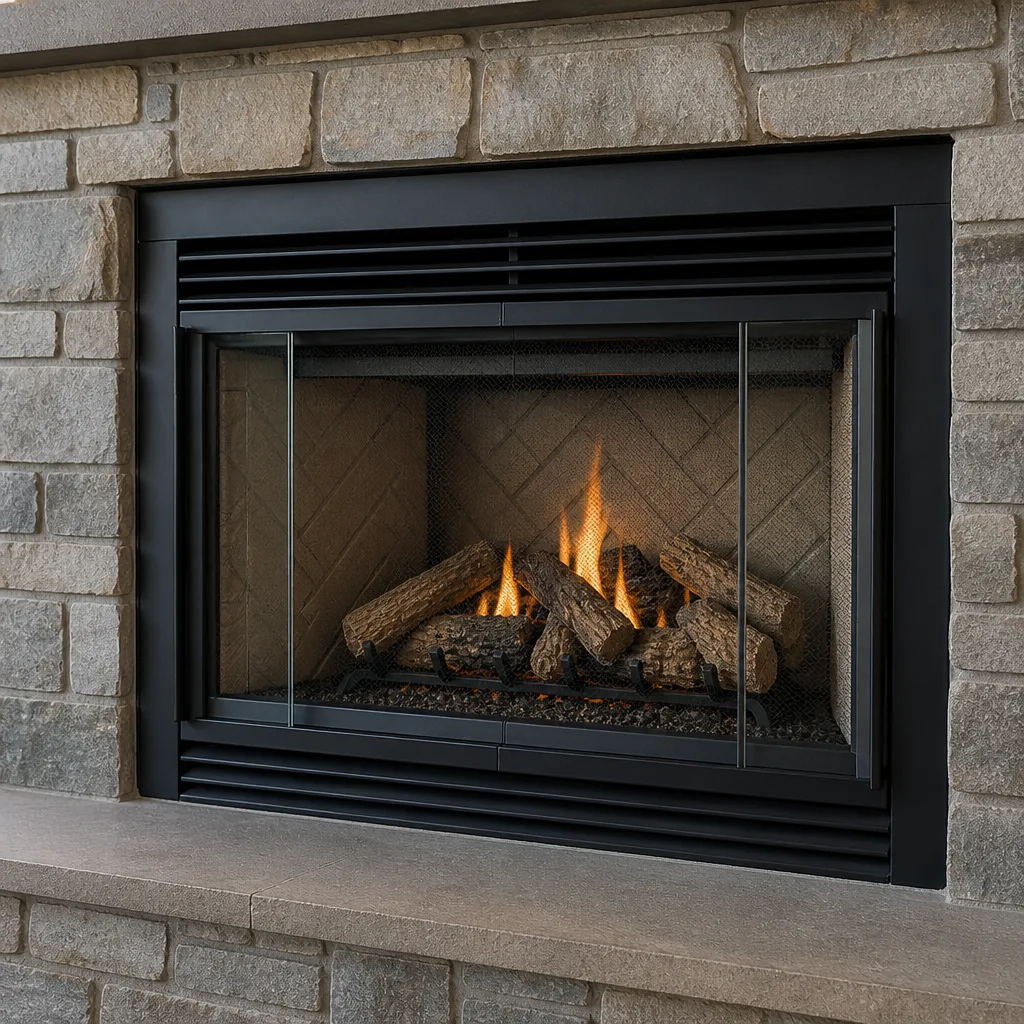 Gas fireplace service
Level 1 sweep and inspection to the NFPA 211 annual standard - flue, crown, cap, and flashing checked and photographed
Chimney sweep logs do not sweep chimneys. They loosen some creosote - which then falls where a brush and vacuum still have to collect it.
Chimney Cleaning Warning Signs: A St. Louis Homeowner’s Reference Guide
A white mineral stain running down your chimney exterior isn’t cosmetic. It’s called efflorescence, and it means water has been moving through your masonry long enough to carry dissolved salts to the surface. Most homeowners see it and think “weathered brick.” The chimney is actually telling them something is failing behind the brick. The same disconnect shows up inside: a damper that sticks, a puff of smoke that lingers a half-second too long, black glazing on the firebox glass. None of it looks like an emergency. All of it is a diagnostic signal. This guide walks through the warning signs we look for during a Hawk-eyed inspection of a St. Louis chimney, top to bottom, so you can read them yourself.
Quick Answer
The main chimney cleaning warning signs are a strong creosote odor, heavy soot or flaking debris in the firebox, smoke that backdrafts into the room, and exterior problems like efflorescence, spalling brick, or a cracked crown. Any one of those means the system needs to be looked at before the next fire. In St. Louis, where clay-tile liners and older masonry are common, the signs tend to show up earlier than homeowners expect because freeze-thaw cycles work the masonry hard every winter.
Styles & brands we work with
- Sweep & inspection
- Caps & crowns
- Flue relining
- Masonry repair
- Gas fireplace service
Table of Contents
- Exterior Warning Signs You Can Spot From the Ground
- Interior Firebox Signals That Point to Trouble
- What Your Chimney’s Smell Is Telling You
- Cleaning Issue vs. Repair Issue: The Distinction That Determines Your Next Call
- St. Louis-Specific Risk Factors for Older Homes
- The Three Stages of Creosote and What Each One Means
- What a Real Inspection Covers (and What a Cursory One Misses)
- A Seasonal Warning-Sign Checklist
Exterior Warning Signs You Can Spot From the Ground
You don’t need a ladder to catch most of the serious chimney problems. Standing in your yard with a pair of binoculars, you can read several signals that tell you the system has been under stress. The exterior masonry is the part of the chimney that takes the most weather, and in St. Louis that weather is a cycle of rain, freezing, thawing, and repeat.
Here’s what to look for:
- Efflorescence: a white, powdery or chalky stain on the brick face. It means moisture has been moving through the masonry and pulling dissolved salts to the surface. Efflorescence is the chimney’s way of telling you water is getting in somewhere it shouldn’t.
- Spalling brick: the face of the brick peeling, flaking, or popping off in flakes or chunks. When spalling starts, the brick has absorbed water and frozen repeatedly, and the surface gives way. Once a brick is spalling, it has nowhere to go but worse.
- Crown cracks: the concrete slab at the very top of the chimney protects the masonry below. Hairline cracks can let water straight into the flue. A crown that’s cracked, crumbled, or pulling away from the chimney is a water-intrusion path.
- Missing, loose, or rusted caps: the cap keeps rain, birds, and debris out of the flue. A rusted cap with a hole, or one that’s been blown off, means the flue is open to the weather.
- Rusted or misaligned chimney shroud: anything metal on the chimney that’s rusting or been knocked askew is worth having checked during a sweep.
Any one of these earns a closer look. Two or more together suggests a chimney that has been taking on water for a while. Our technicians have up to 12 years of experience reading these signs, and a proper chimney sweep in St. Louis starts with the exterior before anyone touches the brush.
Interior Firebox Signals That Point to Trouble
Inside the firebox, the warning signs tend to be more subtle, which is exactly why they get ignored. A fireplace that “still works” can be doing real damage to itself while the homeowner doesn’t notice. These are the signals that should send you looking for a professional:
- Heavy black glazing on the fireplace glass: if your fireplace has glass doors or a glass insert, black glazing that won’t wipe off means the burn is running dirty. It can point to incomplete combustion, a damper issue, or a flue that isn’t drafting properly.
- Shaling debris in the firebox: flaking, layered materials accumulating at the back of the firebox or on the damper shelf. Shaling can be a sign of a liner starting to break down, and it needs a real inspection, not a shop-vac.
- Persistent smoke backdraft: if smoke rolls into the room even a little before it drafts up, especially on a cold start or a windy day, the draft isn’t working as it should. Backdraft is a symptom, not a nuisance.
- Soot streaks on the firebox face: black streaks that fan out around the opening mean smoke is escaping the firebox. That’s a sign to stop lighting fires until someone looks at the whole system.
- A damper that won’t move: a stiff or stuck damper is a chimney cleaning warning sign in its own right. It usually means the damper has been sitting in soot and moisture, and it can prevent you from controlling the fire properly.
Any of these interior signs is a reason to book an inspection before the next fire. Smoke backdraft and firebox streaking in particular should be treated as a stop sign, not a to-do list item for next season.
What Your Chimney’s Smell Is Telling You
Smell is one of the most underused diagnostic tools homeowners have. A chimney in good condition shouldn’t smell like much when it’s not in use. When it does, the character of the smell points you toward the cause:
- A strong creosote smell (sharp, smoky, sometimes tar-like, especially on warm, humid days): this is the classic sign of creosote buildup in the flue. Creosote is the residue of incomplete combustion, and it builds up every fire you burn. A concentrated creosote odor means the flue is due for cleaning.
- A damp, musty, or “wet basement” smell: this points to water intrusion. Water getting into the masonry or flue carries a distinct smell that’s different from smoke. Combined with exterior efflorescence, it’s a strong signal of a moisture problem.
- An animal or nesting smell (urine, decomposition, feathers, or an ammonia-like odor): an uncapped or poorly capped flue is an advertising board for birds and small animals. Animals in the flue are a fire hazard and a health concern, and they can block the draft.
The smell test isn’t a substitute for an inspection, but it does tell you which way to point the conversation when you call. If you smell creosote, you’re probably due for cleaning. If you smell damp, we’re going to be looking at masonry and water intrusion. If you smell animals, we need to check the cap and clear the flue.
Cleaning Issue vs. Repair Issue: The Distinction That Determines Your Next Call
This is the distinction that most homeowners don’t make, and it’s the one that matters. A cleaning issue is one where the chimney system is intact and functioning, and the fix is to remove the buildup. A repair issue is one where a component has failed, and cleaning alone will not make it safe. Calling a sweep for a repair issue wastes a visit. Calling a repair company first can miss a dirty flue that’s part of the problem.
Here’s how the split usually shakes out:
- Usually a cleaning issue: creosote odor, moderate soot in the firebox, a blocked or dusty cap, a routine seasonal sweep.
- Usually a repair issue: efflorescence, spalling brick, a cracked crown, shaling debris in the firebox, smoke backdraft, soot streaks on the firebox face, a damaged liner.
- Often both: damaged liners are usually accompanied by creosote buildup, and a chimney that’s been taking on water often needs both cleaning and repair before it goes back into service.
This is where working with a single company matters. When the sweep and the repair are handled by different crews, the accountability gap is where things get missed. At Hawk Chimney Sweep, the sweep, the inspection, and any chimney repair are handled by one company, so the person who cleans the flue is the person who finds the crack, and the person who recommends the fix is the person who knows what the firebox looked like before the brush went in. We install DuraFlex flexible liner systems for full relining and perform HeatShield chimney resurfacing for cracked or spalling flue liners, which means we’re not handing you off to a second contractor when the cleaning visit turns into a repair.
The safest way to tell the difference is to stop guessing. An inspection is what separates the two categories, and it should happen before any recommendation is made.
St. Louis-Specific Risk Factors for Older Homes
St. Louis has a large stock of homes built before 1980, and that matters for chimney condition. Homes from that era were commonly built with clay-tile liners and original mortar. Those materials were chosen for the chimneys of the day and served their purpose, but they age in predictable ways, and the St. Louis climate accelerates the aging.
Here’s what makes the local climate harder on chimneys than homeowners tend to assume:
- Freeze-thaw cycles: St. Louis winters swing above and below freezing, often repeatedly. Water gets into masonry during a thaw, freezes overnight, expands, and works the mortar and brick loose over time. That’s how efflorescence and spalling start.
- Humid summers: the long hot stretch of a St. Louis summer keeps moisture in the masonry and makes creosote deposits soften and smell. Creosote that’s been soaking all summer is also more flammable when the next fire is lit.
- Clay-tile liners: older clay-tile liners can crack as the chimney settles, and the cracks aren’t visible from the firebox. The liner is the barrier between the flue gases and the combustible parts of the house, and a cracked liner is the number one thing a thorough inspection is looking for.
Homes in older St. Louis neighborhoods were also built with original mortar that’s now past its intended service life in many cases. That doesn’t mean every pre-1980 chimney is in trouble, but it does mean the warning signs in this guide are worth taking seriously rather than assuming “it’s always looked like that.”
The Three Stages of Creosote and What Each One Means
Creosote is the residue of burning wood, and it goes through stages. Knowing where your chimney sits on that scale helps you interpret the other warning signs. This is the framework we use when we talk to a homeowner about what’s actually in the flue:
- Stage one: soot and light fluff. Fine, powdery deposits that brush off easily. This is what regular seasonal cleaning handles, and it’s the state a well-maintained chimney should be in at the end of a season.
- Stage two: crusty, flaky deposits. This is creosote that has hardened into a crust and starts to flake. It won’t wipe away with a brush, and it’s more concentrated than stage one. At this stage, a thorough sweep is overdue, and an inspection should confirm the liner is still intact.
- Stage three: hardened, glazed creosote. This is a dense, tar-like layer that has fused to the liner. It’s the most concentrated fuel state, it’s hard to remove, and it’s the state most associated with chimney fires. Stage three creosote is a stop-and-inspect situation, not a “we’ll get to it next fall” situation.
The shortcut to all three stages is the same: regular cleaning, a properly drafting chimney, and seasoning the wood you burn. Wet wood lays down more creosote than dry wood, and the difference shows up in the flue over a season.
What a Real Inspection Covers (and What a Cursory One Misses)
A sweep that just runs a brush up the flue and calls it done is not an inspection. The inspection is the diagnostic half of the visit, and it’s where the warning signs in this guide actually get read. At Hawk Chimney Sweep, our inspection standard is a methodical, top-to-bottom assessment of the full flue system, from cap to firebox, not a cursory pass before the brush goes in.
Here’s what a full-system inspection should cover:
- The cap: correct fit, secure attachment, rust condition, and any signs of animal intrusion.
- The crown: cracks, separation from the chimney, and water pathways.
- The exterior masonry: efflorescence, spalling, damaged mortar joints, and the condition of the brick face.
- The flue and liner: creosote stage, liner integrity, cracks, gaps, and any shaling debris.
- The firebox and damper: soot patterns, glazing, damper movement, and any sign of smoke escaping the box.
- The smoke chamber: the tapering section above the firebox, where a lot of hidden issues live.
What a cursory visit misses is everything above the firebox on the interior side and everything below the cap on the exterior side. The short version is that if the inspection doesn’t cover the whole system, the warning signs this guide describes can sit there unseen. Our technicians have up to 12 years of experience on the full system, and we rely on professional-grade materials from brands like Gelco, Olympia Chimney, and Copperfield when a repair is needed.
A Seasonal Warning-Sign Checklist
Before burning season, walk your chimney the way we do. This takes about ten minutes from the ground and the firebox, and it tells you whether to book a sweep, book an inspection, or stand down. Here’s the checklist:
- Walk the yard: look for white staining (efflorescence), flaking brick (spalling), cracked crown, and a missing or rusted cap.
- Look at the firebox: check for heavy black glazing, flaking debris on the shelf or floor, and soot streaks on the face of the surround.
- Work the damper: it should move smoothly. A stiff or stuck damper is a sign to have the system checked.
- Smell the room: sharp creosote odor, damp mustiness, or animal smell each points to a different issue.
- Light a test fire: if smoke rolls into the room before it drafts up, stop and book an inspection.
- Check the firebox for cracks: any visible crack in the firebox masonry is a repair issue, not a cleaning one.
If any step on the list is a “yes,” book a professional visit before the next fire. If all six are clean, you’re in good shape to schedule a routine sweep before the season and call it done. When in doubt, an inspection is the cheaper call than a fire. The Hawk Chimney Sweep team handles sweep, inspection, and repair as one service, so the checklist leads straight to the right next step.
Common Mistakes to Avoid
- Treating efflorescence as cosmetic. White staining on St. Louis brick is a moisture signal, not weathering. Ignoring it usually means the water problem gets worse before it gets better.
- Skipping the inspection when the sweep is done. A sweep cleans the flue; the inspection is what tells you whether the liner and crown are intact. Doing one without the other is how cracks get missed.
- Burning unseasoned wood. Wet wood lays down creosote faster. In a St. Louis winter, that buildup compounds quickly, so dry, seasoned wood pays for itself in fewer cleanings.
- Assuming a pre-1980 chimney is “fine because it’s old.” Age isn’t a guarantee of condition. Original clay-tile liners and mortar on older St. Louis homes are exactly the components that fail first.
- Hiring a sweep-only crew for a repair problem. If the signs point to a cracked liner or a damaged crown, the company cleaning the chimney needs to be able to fix it, or you end up managing the handoff between two contractors.
- Ignoring a stuck damper. A damper that won’t move is telling you the firebox has been sitting in soot and moisture. It’s also a control problem, which means the fire isn’t running the way it should.
- Waiting until the first cold snap to book. Warning signs don’t get better over summer. Book the inspection when the checklist flags something, not when the first freeze hits and the calendar is full.
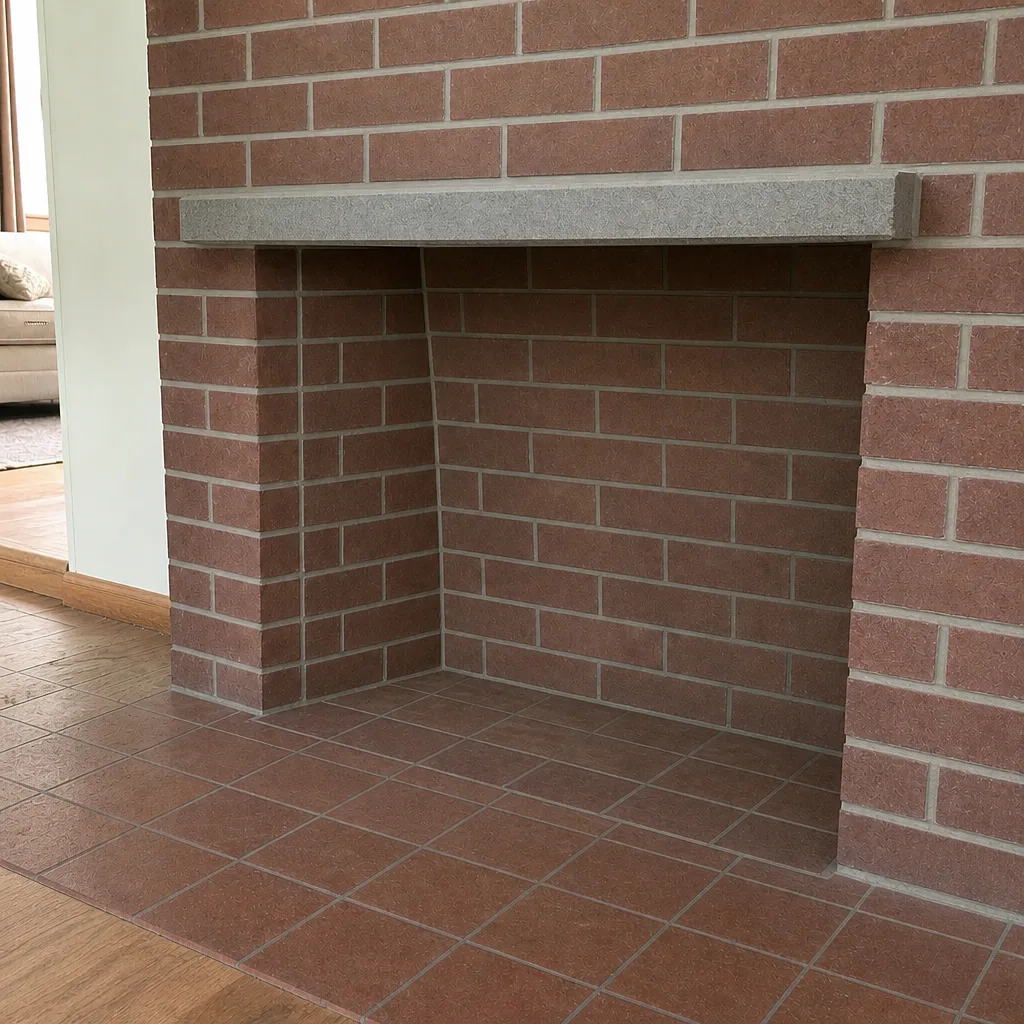
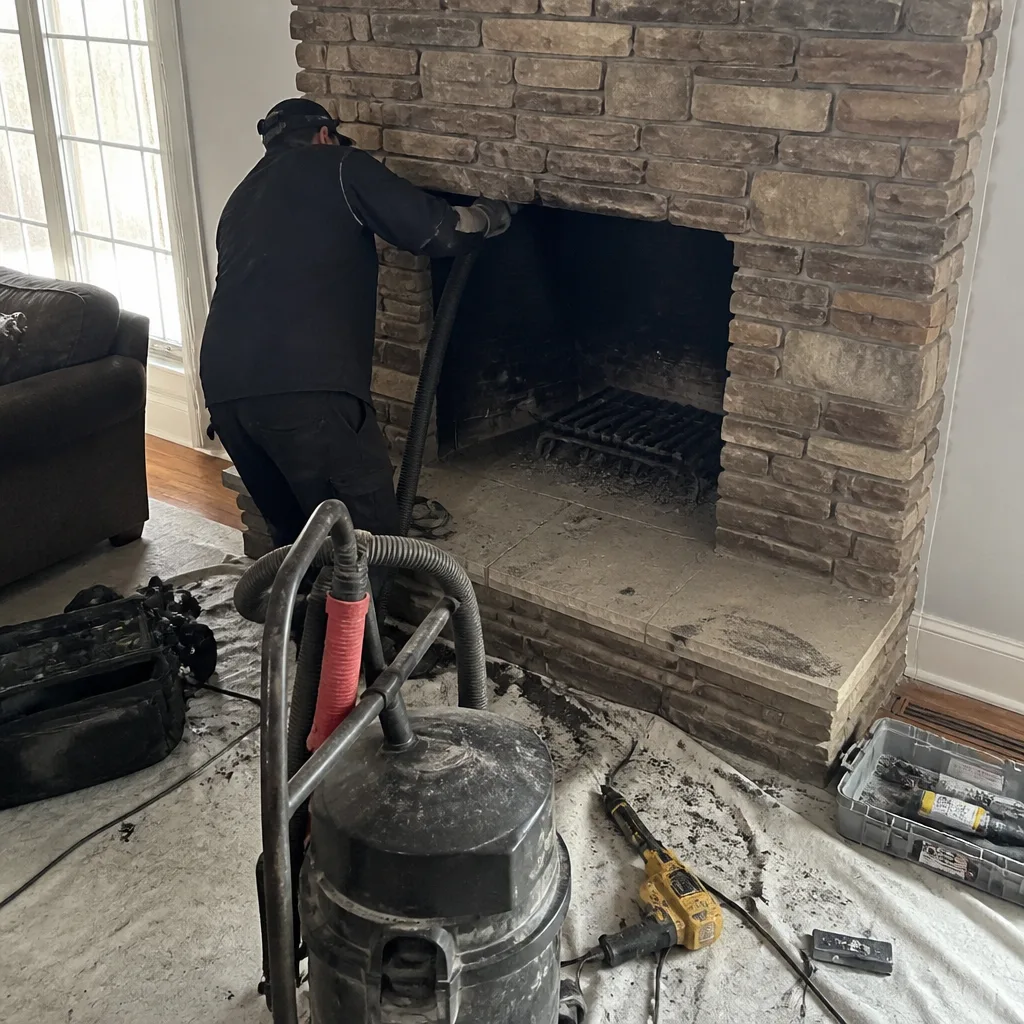
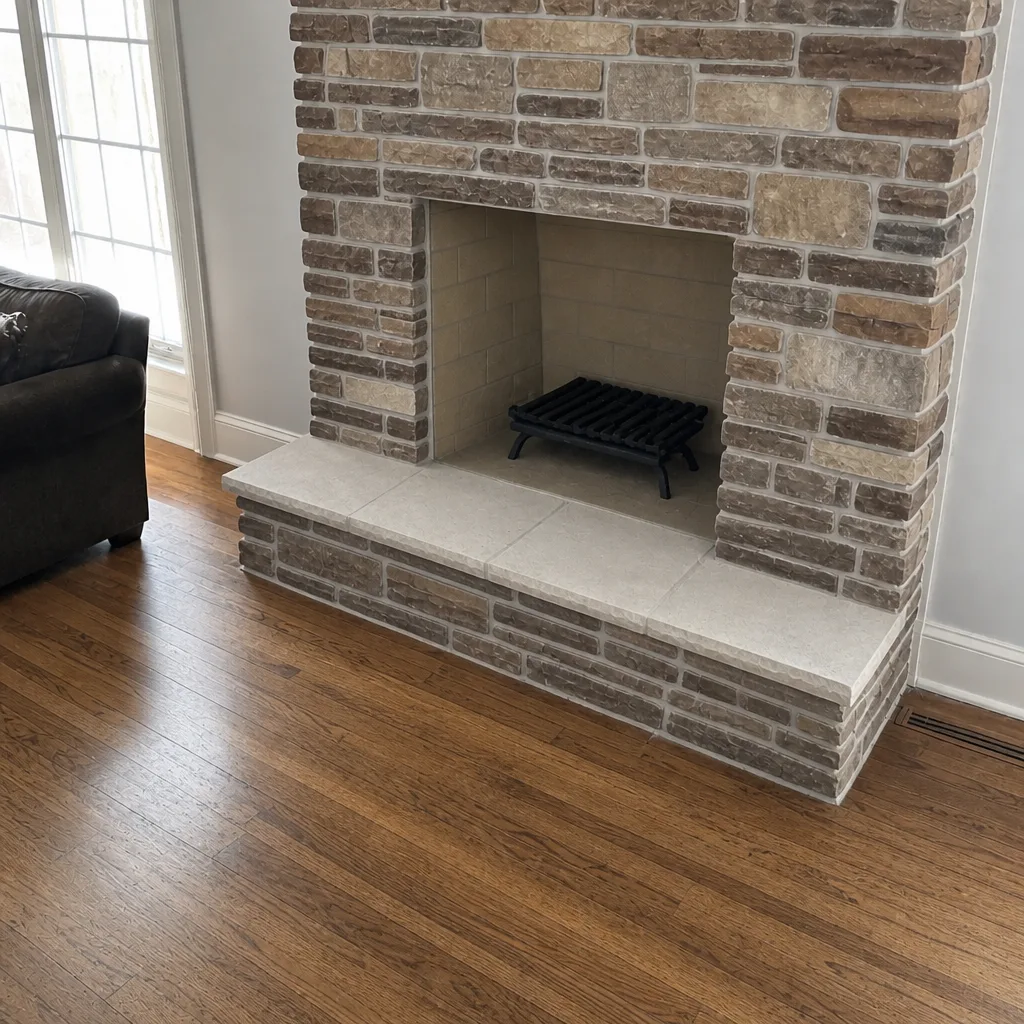
See the difference
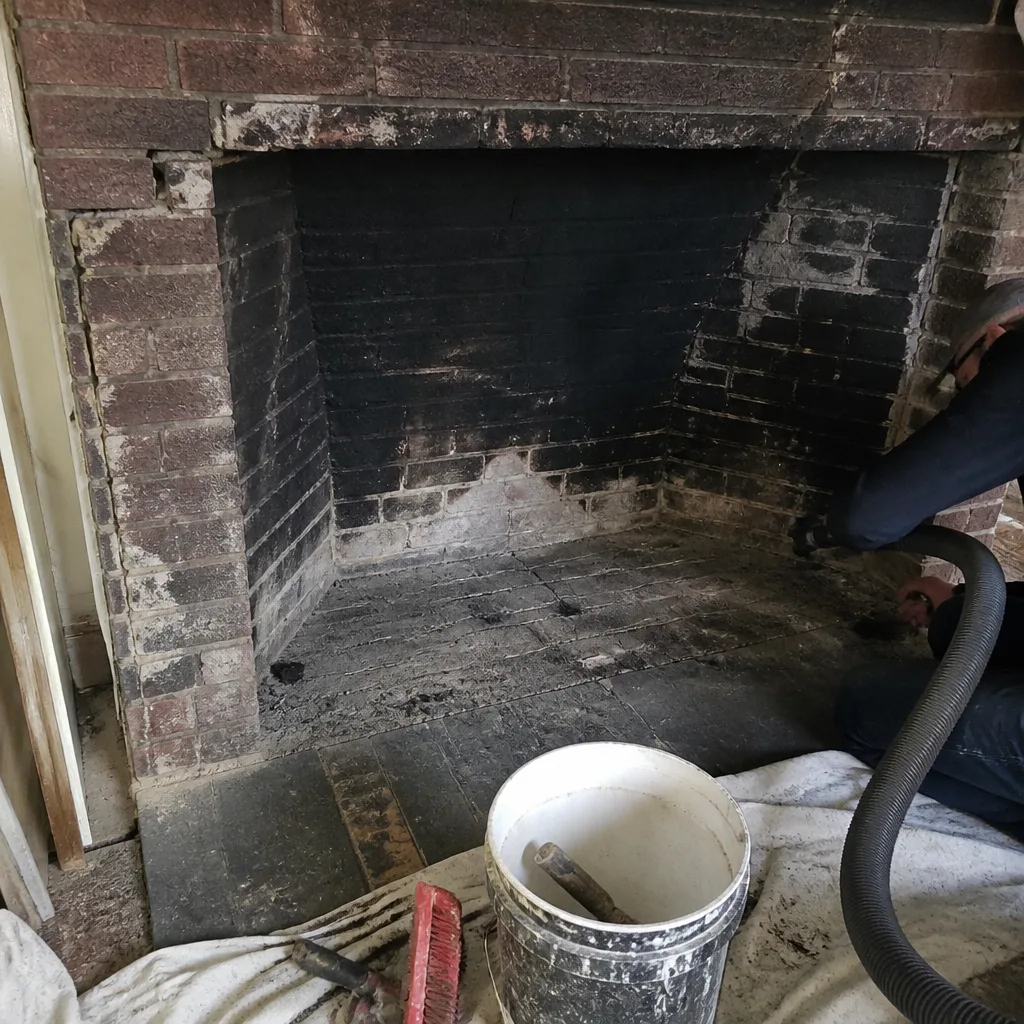 Before
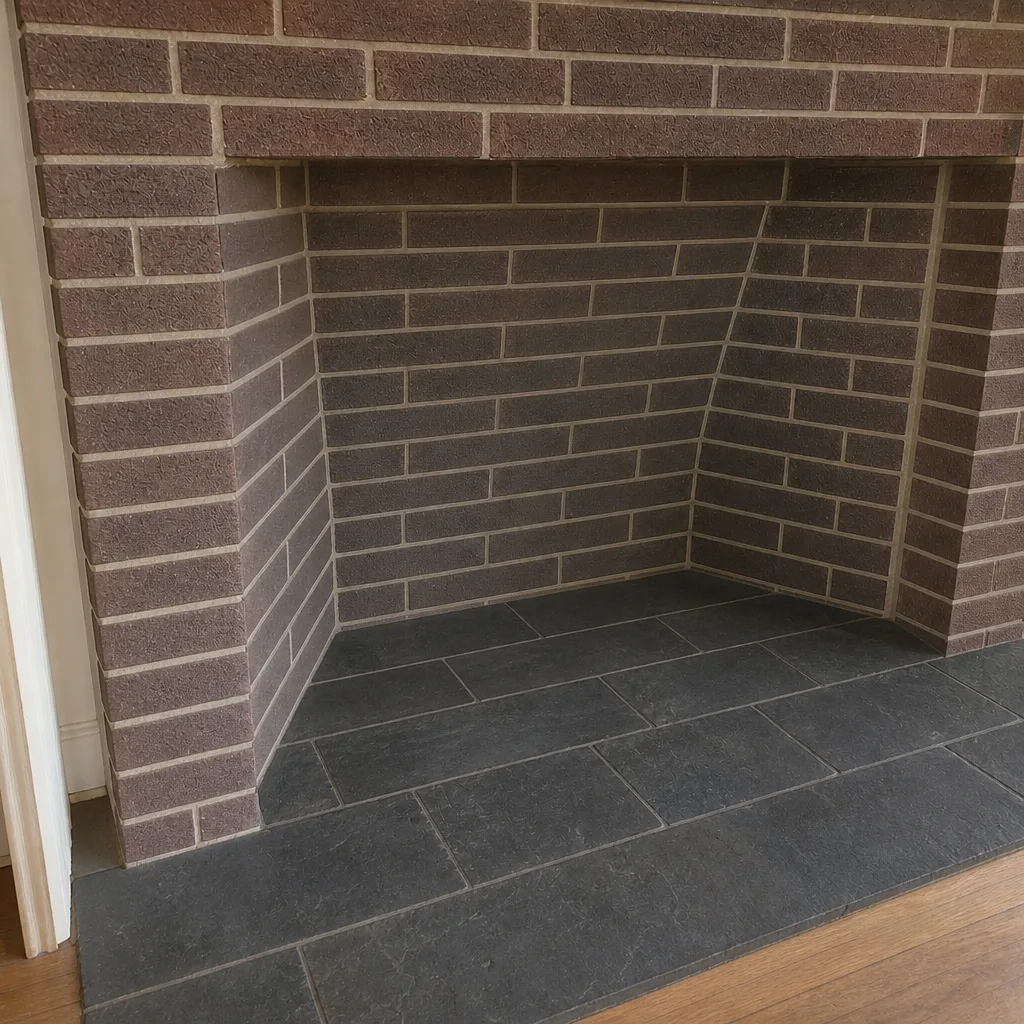 After
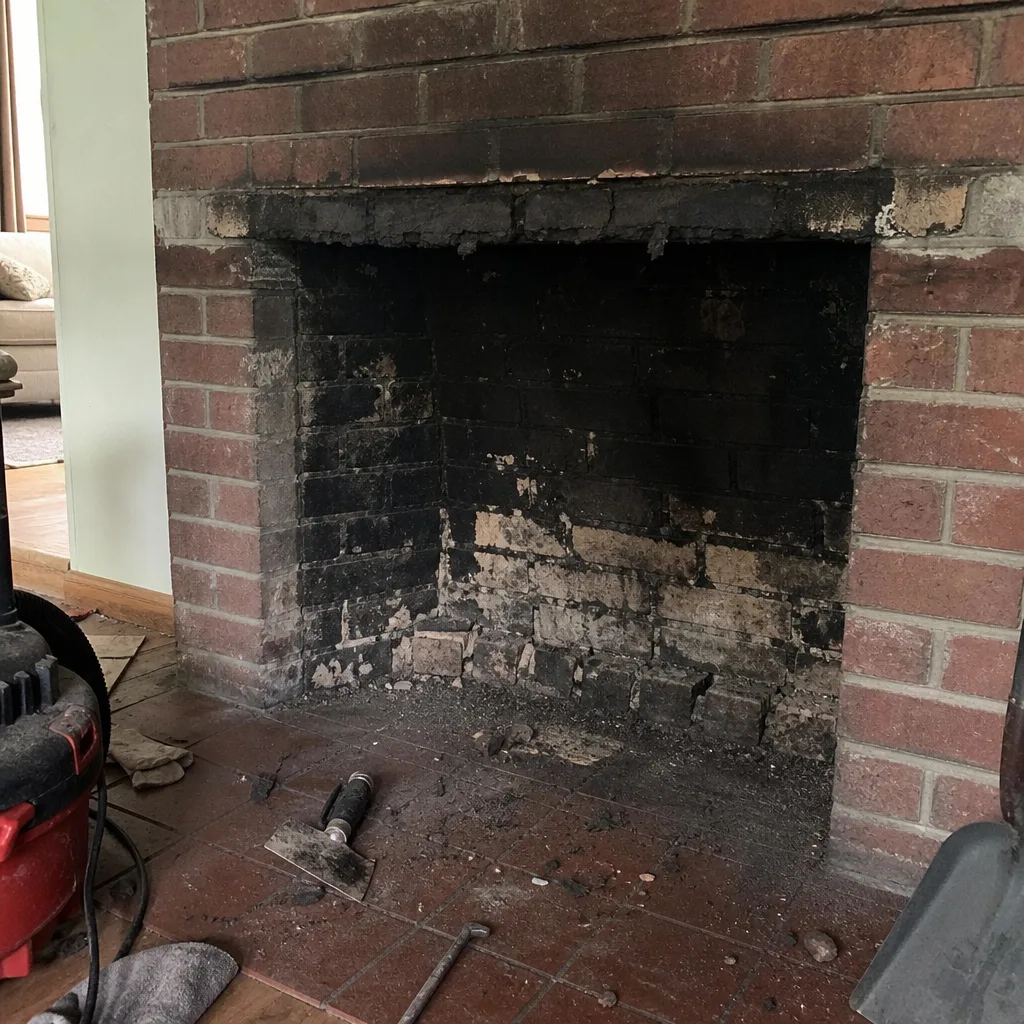 Before
 After
 Before
 After
When to Call a Professional
Call a professional when the checklist turns up any exterior sign like efflorescence, spalling brick, or a cracked crown, or when the firebox shows heavy glazing, shaling debris, soot streaks, or a sticky damper. Call before your next fire if smoke backdrafts into the room, if you smell concentrated creosote, or if you can see a crack in the firebox or flue. These aren’t the signs you work around. They’re the signs that tell you the system needs a trained eye before it needs another log. Hawk Chimney Sweep offers free estimates in St. Louis. Call (866) 596-7310. We answer 24/7. Fast dispatch from 7am to 7pm, Sunday through Friday, and we’re closed Saturday.
Frequently Asked Questions
Most St. Louis chimneys should be swept once a year, and more often if you burn heavily or the checklist turns up creosote odor, heavy soot, or shaling debris. The annual sweep is the baseline; the inspection is what catches the repair issues between sweeps. If you’ve burned a lot of unseasoned wood, have the flue checked before the next season rather than waiting.
Yes, it’s a real problem. Efflorescence means water has been moving through the masonry and carrying salts to the surface, which points to a moisture path that needs to be found and closed. Left alone, that moisture feeds the freeze-thaw cycle that causes spalling and crown damage, and in St. Louis those cycles are hard on masonry. Efflorescence gets an inspection, not a coat of sealer.
You can clean soot from a straight flue, but you can’t read the system the way an inspection does. The warning signs in this guide, like a cracked clay-tile liner, a damaged crown, or stage-three glazed creosote, aren’t visible from a brush on a rod. The professional value is in the inspection, not just the cleaning, and the cleaning is what makes the inspection view reliable. Book the sweep and get both.
It means creosote has built up in the flue and the warm, humid St. Louis air is pulling the smell out of the chimney. That’s a strong signal the flue is due for a cleaning, and it’s usually a sign the buildup has reached a stage where brushing alone may not be enough. A summer creosote smell is the chimney telling you to book a sweep before the next fire.
Cleaning issues are intact systems with buildup: creosote odor, moderate soot, a dusty cap. Repair issues are failed components: efflorescence, spalling brick, a cracked crown, shaling debris, backdraft, or a cracked liner. The split matters because a sweep-only crew can’t fix a repair issue. Hawk Chimney Sweep handles sweep, inspection, and repair, including HeatShield resurfacing and DuraFlex liner systems, so one company sees the problem through from start to finish.
The risk is a chimney fire or carbon monoxide getting into the house, and both start with conditions the warning signs point to: heavy creosote, a cracked liner, a blocked flue. That’s the safety case for acting on the signs, not a scare tactic. Call (866) 596-7310 for an exact quote. Estimates are free, and the written estimate sets the final price.
The Bottom Line
The warning signs of a compromised chimney are quiet: a white stain on the brick, a damper that fights back, smoke that lingers a half-second too long, a creosote smell in July. Read together, they tell you whether you’re due for a cleaning or looking at a repair, and that distinction is what determines your next call. In St. Louis, older masonry and clay-tile liners make those signs worth taking seriously. A sweep and a real inspection catch the rest. Our technicians have up to 12 years of experience, and we work with professional-grade brands like Famco and Gelco when a repair is needed. One call, complete chimney care, from cap to firebox.
Ready to have your chimney read properly? Call Hawk Chimney Sweep at (866) 596-7310 for a free estimate. We answer 24/7. Fast dispatch from 7am to 7pm, Sunday through Friday, and we’re closed Saturday. Serving homeowners across St. Louis with sweep, inspection, and repair handled by one accountable company.
Written by the team at Hawk Chimney Sweep.