
Last updated November 15, 2026
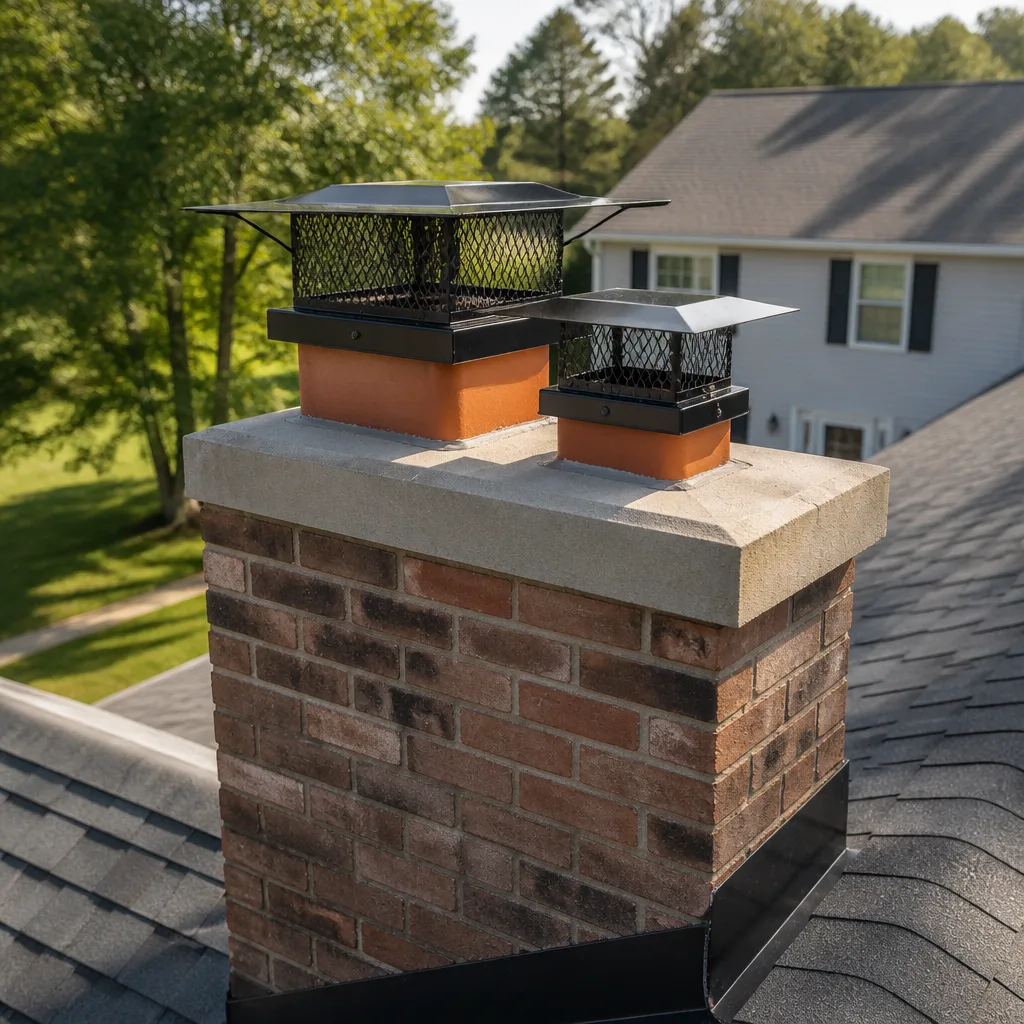 Sweep & inspection
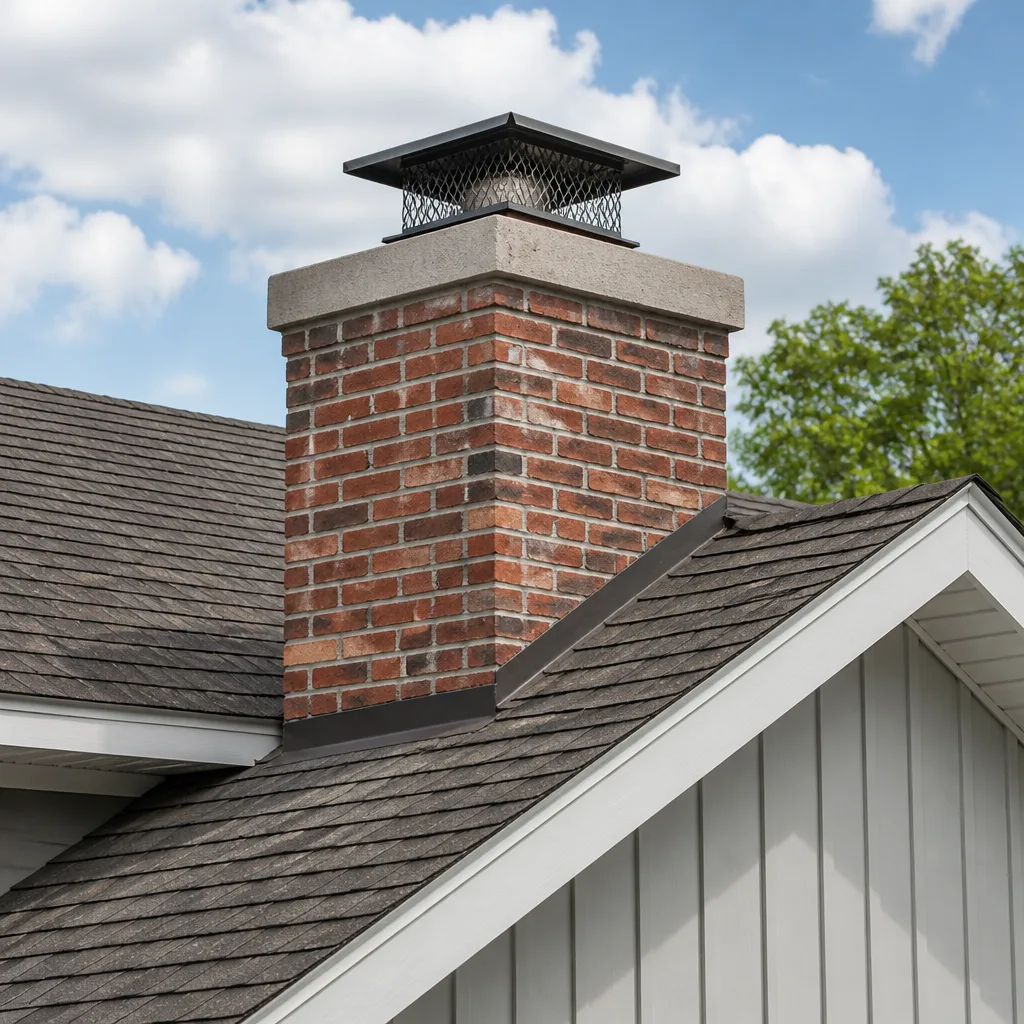 Caps & crowns
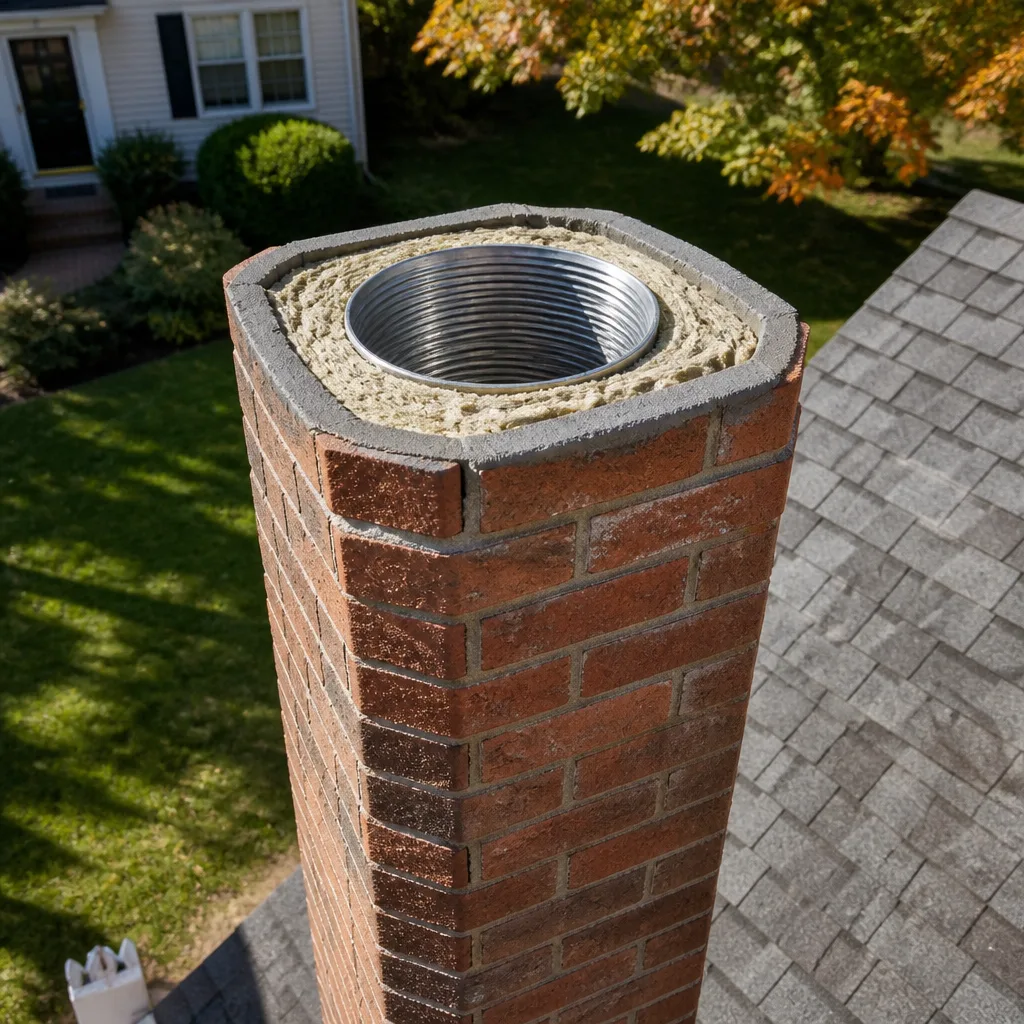 Flue relining
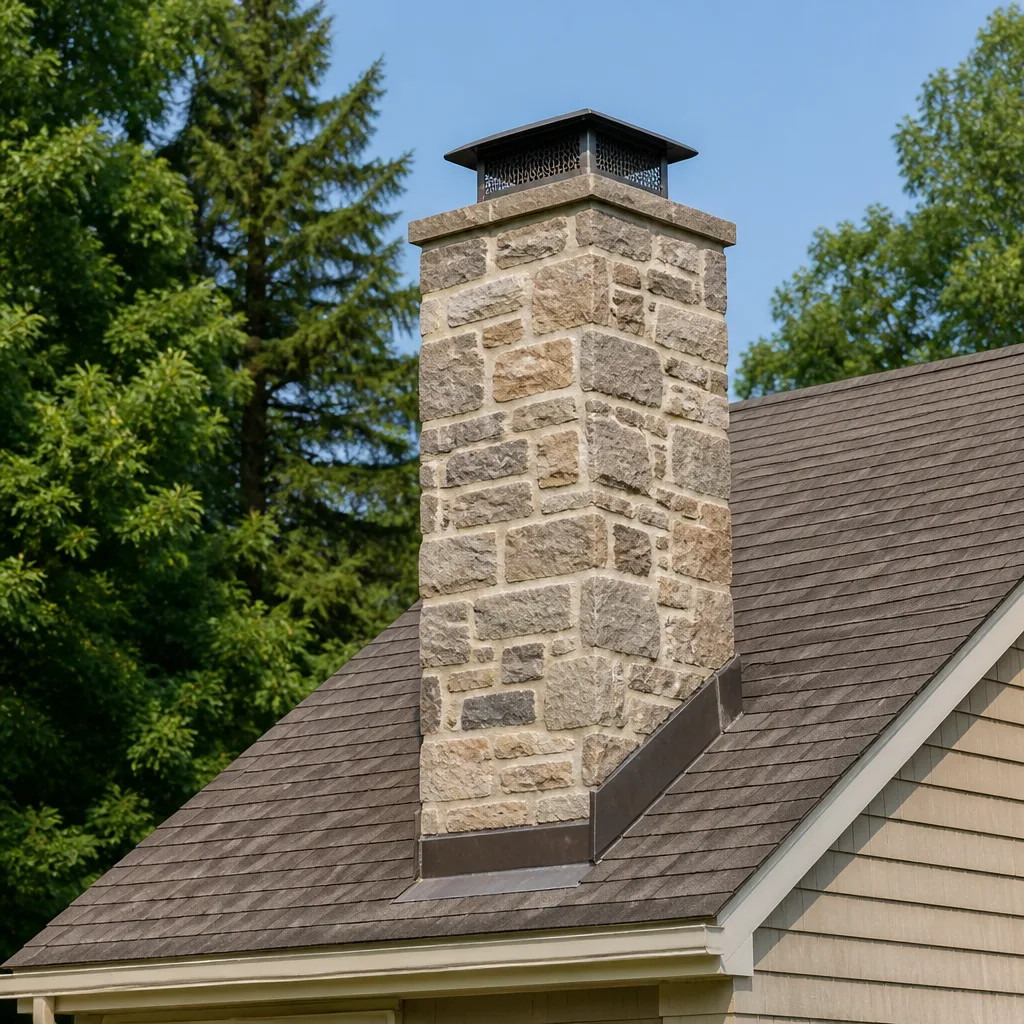 Masonry repair
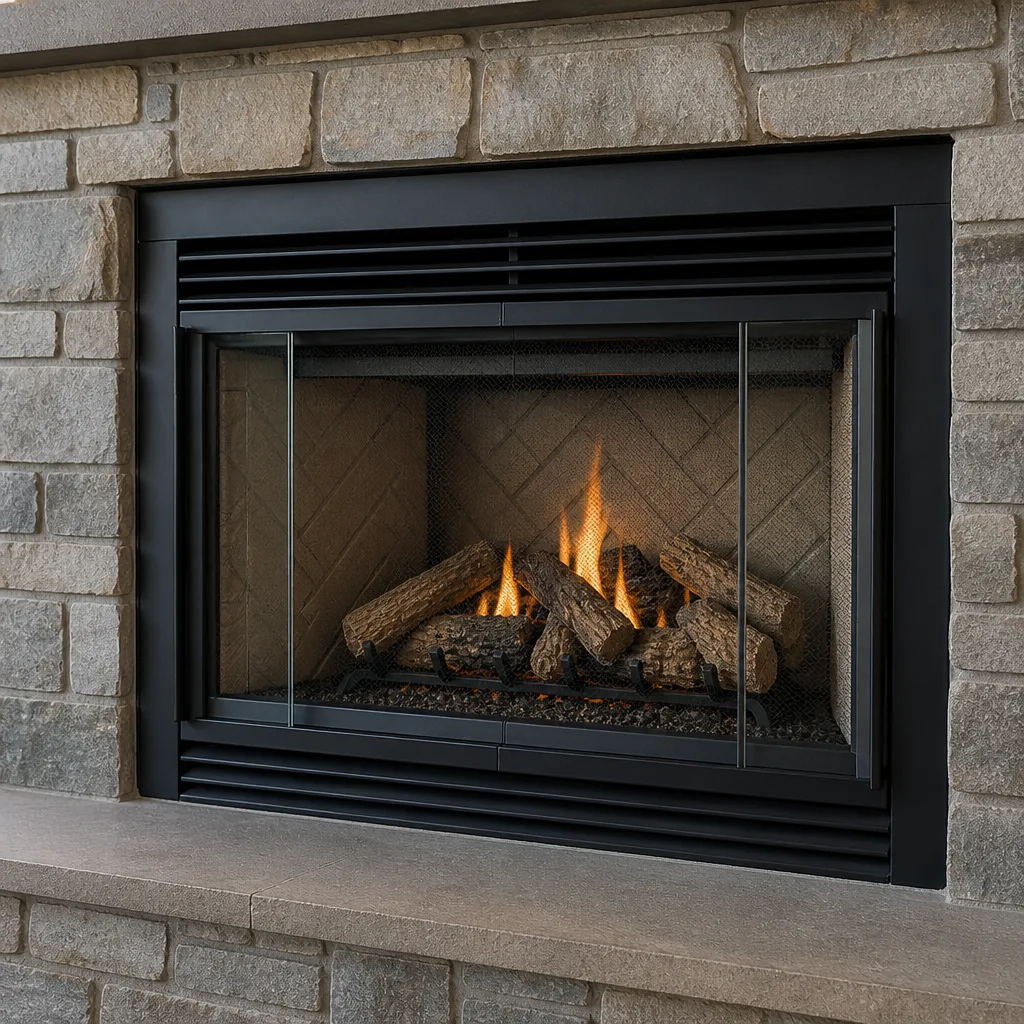 Gas fireplace service
Level 1 sweep and inspection to the NFPA 211 annual standard - flue, crown, cap, and flashing checked and photographed
Chimney sweep logs do not sweep chimneys. They loosen some creosote - which then falls where a brush and vacuum still have to collect it.
Chimney Cleaning Cost Breakdown: The St. Louis Homeowner’s Reference for 2026
A $79 chimney sweep coupon in St. Louis usually buys one brush pass through the flue. That’s it. It doesn’t include the inspection, the smoke chamber cleaning, or any written documentation of what the technician saw up there – and those are the parts of the service that actually protect your home from a chimney fire or a carbon monoxide problem. The low entry price isn’t a lie, exactly. It’s just a very narrow slice of a job that has several distinct parts, each with its own cost. This guide breaks down what chimney cleaning and chimney work really cost in St. Louis in 2026, service by service, so you can read a quote and know what’s in it and what’s missing. You’ll see why two quotes for “the same job” can differ by hundreds of dollars, what legitimately pushes cost up, and how to weigh a cheap cleaning against the repair bill it might be deferring.
Quick Answer
A standard chimney sweep in St. Louis typically runs $180 to $350, and a Level 2 inspection (the camera-based inspection most sales and post-fireplace-install situations call for) usually adds $150 to $400 on top. Repair work is priced separately: cap replacement generally lands around $150 to $400, crown repair $300 to $700, HeatShield flue resurfacing $900 to $2,500 depending on flue size and damage, and a full DuraFlex liner installation commonly runs $2,500 to $5,500. These are estimated ranges for the St. Louis market. The written estimate after an on-site look is what sets your actual price.
Styles & brands we work with
- Sweep & inspection
- Caps & crowns
- Flue relining
- Masonry repair
- Gas fireplace service
Table of Contents
- Why Chimney Cleaning Quotes Vary by $200 or More in St. Louis
- Line-Item Cost Ranges for Every Chimney Service
- Level 1, Level 2, and Level 3 Inspections: What Each One Costs and Covers
- What Legitimately Drives Chimney Costs Up
- The True Cost of Deferred Maintenance
- What’s Reasonable to Negotiate and What Isn’t
- St. Louis Chimney Conditions That Affect Pricing
- Common Mistakes to Avoid
- When to Call a Professional
Why Chimney Cleaning Quotes Vary by $200 or More in St. Louis
Two St. Louis homeowners with similar brick chimneys can get quotes that differ by $200 or more for what sounds like the identical service. The gap almost never comes down to the technician’s hourly rate. It comes down to scope – what’s actually included behind the number.
Here’s the core issue. “Chimney cleaning” is a loose phrase. It can mean a quick brush down the flue, or it can mean a full top-to-bottom service that includes the flue, the firebox, the smoke chamber, the damper, the cap, and a documented inspection with photos. Those are very different jobs, and they cost very different amounts.
The quote that looks cheapest usually strips out the inspection, the smoke chamber, and any documentation. A sweep who runs a brush and leaves isn’t doing anything wrong – they’re delivering exactly what that price covers. The problem is that you, the homeowner, don’t get the diagnostic information that tells you whether your flue is safe to use. That information is often the whole point of having the chimney looked at.
In our experience across St. Louis, the useful comparison isn’t the starting price. It’s the scope. Before you compare two quotes, ask each provider to tell you, in writing, what the price includes:
- Is a Level 1 inspection included, or is it extra?
- Is the smoke chamber cleaned, or just the flue?
- Do you get photos or a written report of what was found?
- Is the firebox and damper checked?
- Is the cap inspected for damage?
Once both quotes list the same scope, the prices usually land much closer together. If they don’t, that difference is worth asking about directly. A chimney sweep who can explain their scope clearly is usually the one you want to hire.
Line-Item Cost Ranges for Every Chimney Service
This is the reference table you won’t find on most coupon landing pages. Below are typical estimated ranges for each distinct chimney service in the St. Louis market in 2026. Every one of these is an estimate – the on-site look and the written estimate set the final number – but these ranges give you a realistic baseline to compare quotes against.
- Basic chimney sweep (flue cleaning): $180 to $350
- Level 1 inspection: $75 to $150 (often bundled with a sweep)
- Level 2 inspection (video camera): $150 to $400 additional
- Level 3 inspection (behind walls/masonry): $500 to $1,500+ depending on access needed
- Smoke chamber cleaning: $150 to $400
- Chimney cap replacement: $150 to $400
- Crown repair or rebuild: $300 to $700
- Flue tile crack repair (HeatShield resurfacing): $900 to $2,500
- Full liner installation (DuraFlex flexible liner): $2,500 to $5,500
- Firebox repair: $400 to $1,500+ depending on extent
Two things to notice. First, the sweep is rarely the expensive part. The parts that protect your home – the inspection that finds problems, and the repairs that fix them – are where the real dollars sit. Second, the range for repair work is wide because the job is genuinely variable. A cracked flue tile at the top of the chimney is a very different repair from one near the firebox, and a straight flue is easier to reline than one with an offset. A company that can inspect, clean, and repair under one roof gives you a single accountable source for the whole system rather than a handoff between a sweep and a mason. That’s the structure Hawk Chimney Sweep works from: sweep, inspection, and repair as three connected services.
The products matter too. HeatShield is a resurfacing method for cracked or spalling flue tiles that restores the liner from the inside, and DuraFlex is a flexible stainless liner system for full relining. Both are professional-grade, and both require a company set up to install them. Most sweep-only crews aren’t. When you compare a repair quote, ask which product and which method the company intends to use – it tells you a lot about whether the quote is for a real structural fix or a cosmetic patch.
Level 1, Level 2, and Level 3 Inspections: What Each One Costs and Covers
Not every inspection is the same, and the level you need drives a big share of your overall cost. Three levels exist, and knowing which one your situation calls for keeps you from paying for more than you need – or less than you should.
Level 1 inspection is a visual check of the accessible parts of the chimney – the firebox, damper, and the portions of the flue and exterior you can see without special tools. It’s appropriate when your chimney is used regularly and nothing has changed. It’s usually bundled into a sweep and adds little to the cost.
Level 2 inspection goes further. It uses a video camera to look at the entire flue interior, and it’s the standard inspection when there’s been a change in how the chimney is used, a change in fuel type, a transfer of the property, or after a chimney fire or an event that could have damaged the liner. This is the one most St. Louis homeowners actually want when they’re buying a house or moving to a new appliance, and it’s priced as an add-on because it takes more time and equipment.
Level 3 inspection is the deep one. It’s used when the first two levels suggest a hidden problem, and it may require opening up a wall, removing part of the masonry, or accessing concealed areas. It’s the most expensive and the least common, and it’s only warranted when there’s a specific concern to chase down.
To decide which you need, ask yourself three questions:
- Has anything changed since the last inspection – a new home purchase, a new stove or insert, a fuel switch, a chimney fire?
- Are you using the chimney normally with no known issues? Then a Level 1 alongside your sweep is usually enough.
- Is there a reason to suspect hidden damage – a cracked flue, water intrusion, or a past fire? Then you’re looking at Level 2 or Level 3.
We run inspections top to bottom as a matter of habit – flue, smoke chamber, damper, firebox, cap, and crown – because the problems that matter are the ones you can’t see from the hearth. A curbed or spalling liner, a blocked flue, or heavy creosote all hide above the firebox. The inspection is what surfaces them before they turn into a fire or a carbon monoxide event. If you’re in the middle of a home sale in St. Louis and need a documented inspection, that’s a Level 2, and it’s worth having a company that can also do the repair if something turns up.
What Legitimately Drives Chimney Costs Up
Some cost increases are real and worth paying. Others are padding. Knowing the difference helps you read a quote honestly. Here are the factors that genuinely raise the price of chimney work in St. Louis.
Chimney height and roof access. A chimney that runs up two stories with a steep roof pitch takes longer and requires more safety setup than a short, easy-access flue. Labor scales with difficulty and time, and a tall chimney with a difficult cap or crown means more of both.
Degree of creosote buildup. Creosote is the residue of incomplete combustion that coats the flue. It forms in stages. Stage 1 is light and brushes away easily. Stage 2 is denser and takes more work. Stage 3 is glazed, hardened creosote that behaves like a fuel and can’t be removed with a standard brush alone – it takes specialized tools and more time, and it’s genuinely hazardous. The heavier the buildup, the longer the job and the higher the price, and the more important it is that the chimney is actually safe to use afterward.
Liner condition. A sound liner is a quick sweep. A cracked or deteriorated liner means the cleaning often reveals repair work that has to happen before the chimney is used again. That’s not upselling – it’s the liner failing its job of containing heat and gases away from the structure.
Accessibility. A chimney boxed in behind finished walls, crowded by a roof addition, or with a tight cap clearance makes every task slower. A clean, open chimney is faster to service than a cramped one.
What the appliance is. A wood-burning fireplace, a gas insert, and a solid-fuel stove each produce different residue and each need their own cleaning approach. Gas appliances leave different deposits than wood fires, and the service reflects that.
When a quote comes in higher than you expected, ask which of these factors is driving it. A straight answer that names the creosote stage, the liner condition, or the access difficulty is a sign you’re dealing with someone who looked. A vague answer is a sign to compare.
The True Cost of Deferred Maintenance
Here’s the math that coupon pricing never shows. A routine cleaning in St. Louis typically runs a few hundred dollars. It catches the buildup and the early liner wear before either turns into a repair. Skip that cleaning for a few seasons and the same chimney can develop glazed creosote, a cracked flue tile, or water damage at the crown. Suddenly you’re looking at a repair that costs more than a cleaning by an order of magnitude.
Put the two numbers side by side and the arithmetic is stark. A basic cleaning is a few hundred dollars. A full DuraFlex reline, if the liner fails or the damage goes deep, is in the thousands. The cleaning is the cheap part precisely because it’s prevention. The repair is expensive because it’s a structural fix – you’re restoring the containment the liner is supposed to provide.
There’s a second cost that doesn’t show up on a quote: the safety cost. A chimney with heavy creosote or a damaged liner can allow heat and carbon monoxide to reach parts of the house the flue is meant to protect. That’s not a scare tactic – it’s the reason the liner and the cleaning exist in the first place. A chimney fire restricted to the flue is contained. A chimney fire that finds its way past a cracked liner is a different event, and the same is true of carbon monoxide.
So when a company recommends a repair, the right question isn’t just “how much?” It’s “show me.” Nothing should be recommended without camera evidence you can see for yourself – the actual video or photos of the crack, the creosote, the failed crown. And it’s just as important that a good company says plainly when work can safely wait. Not every tight liner needs replacing tomorrow. Some do. A chimney repair recommendation that comes with photos, a clear explanation, and an honest timeline is worth far more than the lowest bid on the sheet.
What’s Reasonable to Negotiate and What Isn’t
You can and should negotiate on some things. On others, haggling over a few dollars is how homeowners end up with a repair that fails in a couple of years. Here’s where to draw the line.
Reasonable to discuss:
- Bundling a Level 1 inspection into a sweep, since they’re often done together anyway.
- Asking for a written scope so you can compare like with like between providers.
- Clarifying what’s included – smoke chamber, firebox, cap check, photos – before you book.
- Getting a second estimate on major repair work so you understand the range.
Not where you want to save:
- The liner system. A cheap liner installed below professional-grade spec can fail, and replacing it later costs more than doing it right the first time. A full reline with a DuraFlex system from a company set up to install it is a structural repair, and the material and method are the point.
- The resurfacing method. HeatShield resurfacing is a specific technique for cracked or spalling flue tiles, and a cosmetic patch is not the same thing. The lowest bid on liner work often reflects the cheapest method, not the right one.
- The inspection. Cutting the inspection to save a little on the front end is exactly how you end up paying for a repair you didn’t see coming.
The lowest bid on liner or repair work carries disproportionate long-term risk because the failure mode is hidden. A thin or poorly fitted liner looks fine from the firebox. It fails on the inside, where you can’t see it, until it doesn’t contain heat anymore. On cleaning, comparing price is reasonable. On structural repair, comparing method and material – and asking which product and which technique – matters more than the number.
St. Louis Chimney Conditions That Affect Pricing
Chimneys don’t wear the same way everywhere, and St. Louis has its own pattern. The region sees cold winters and a real heating season, which means chimneys here do steady work for months and then sit unused for the warm half of the year. That cycle of active use and dormancy affects how creosote builds and how the masonry and crown weather between seasons.
Freeze-thaw cycling is a big one. Moisture works into the masonry and the crown, freezes, expands, and thaws – and over repeated winters that cycling cracks and spalls the crown and the flue tiles. A crown repair in St. Louis isn’t just cosmetic housekeeping; a failed crown lets water into the chimney structure, and water is the most common cause of the slow damage we see. If your crown is cracked, that’s a cost worth catching early, because the repair that follows water intrusion gets more expensive the longer it’s ignored.
Creosote behaves a certain way here too. A wood fire that burns cool and smolders – common when a fire is damped down for the evening – leaves heavier, stickier creosote than a hot, clean burn. Over a St. Louis heating season, that can build toward Stage 2 or Stage 3, which takes more time to clean and is more of a fire concern. This is one reason a sweep partway through or at the end of the burn season is a smart habit rather than a nuisance – it catches the buildup before it hardens into glazed creosote.
Across neighborhoods like Soulard, Tower Grove, and the older brick homes in south city, the chimneys tend to be original to the house, which means liners that have had a long working life and crowns that have seen a lot of winters. In the suburbs and newer construction, the chimneys are often different animals – prefab systems or newer masonry with different liner types. The cost of servicing a chimney in St. Louis really does depend on which of those you have, so a quote given over the phone without a look is at best a rough guess.
Common Mistakes to Avoid
- Booking on the coupon price alone. A $79 sweep coupon typically covers one brush pass and not much else – the inspection and smoke chamber are usually extra or missing entirely. Compare scope, not the headline price.
- Skipping the inspection to save a little. The inspection is often the least expensive line item and the one that finds the actual problems. Saving a small amount on it is how you miss a cracked liner or a failed crown.
- Assuming two quotes are for the same thing. In our experience, the “same job” almost never is, because one quote includes the inspection and documentation and the other doesn’t. Make both providers list the scope in writing.
- Haggling hardest on the liner. On cleaning, price-shop freely. On a liner or a resurfacing job, the material and method are the product – the cheapest bid is often the cheapest method, and the failure is hidden.
- Waiting for the crown to crumble before fixing it. In St. Louis the freeze-thaw cycle punishes a cracked crown year after year. Catch it when it’s a repair, not after it’s water damage inside the masonry.
- Burning damp wood and letting creosote build. A cool, smoldering fire leaves heavier creosote than a hot, clean one, and heavier creosote means a harder, more expensive cleaning and more of a safety concern.
- Not asking to see the evidence. If a repair is recommended, ask for the camera footage or photos. Nothing should be recommended without proof you can see for yourself – and a good company will happily show it.
When to Call a Professional
Some situations call for a professional sweep, not a home attempt. If it’s been a full season of regular burning, or if you’ve moved into a home with no record of when the chimney was last cleaned, book a sweep and inspection. If you’ve had a chimney fire – even a small one you think you put out – or a sudden change in how the fire draws, get the flue checked before lighting another fire. If you see cracked or flaking flue tiles, water stains inside the firebox, or a crumbling crown, that’s repair work, not cleaning. And if any gas appliance shares the flue, a carbon monoxide concern is not something to investigate on your own. Our technicians have up to 12 years of experience, and Hawk Chimney Sweep offers free estimates in St. Louis – call (866) 596-7310. We answer 24/7. Fast dispatch from 7am to 7pm, Sunday through Friday.
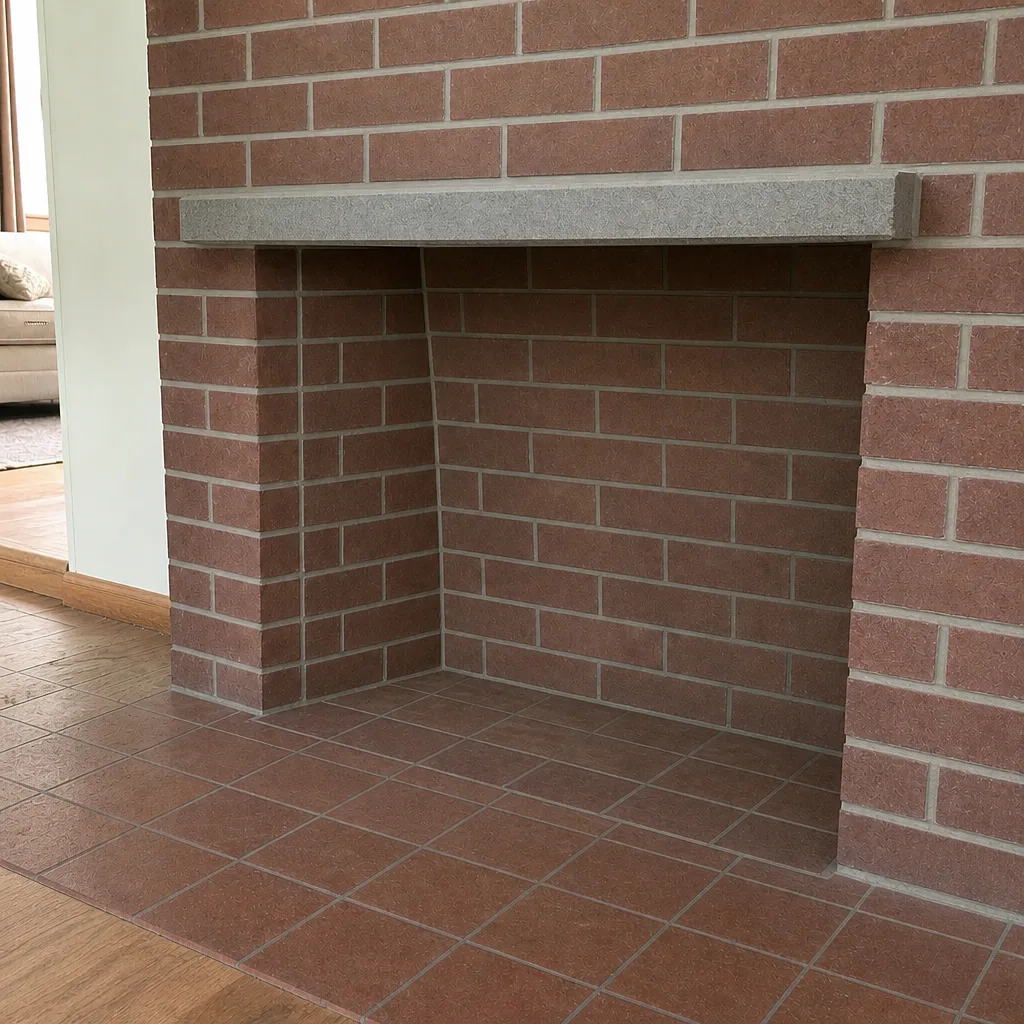
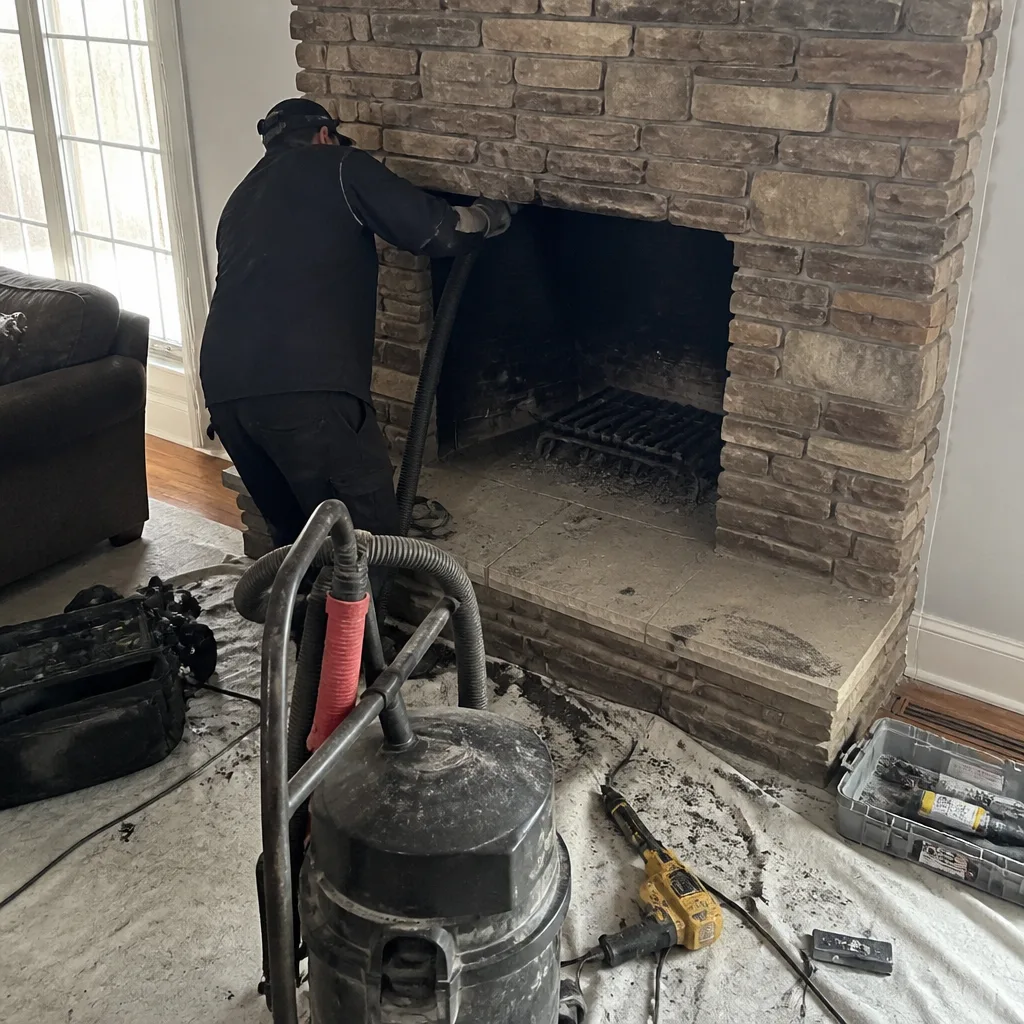
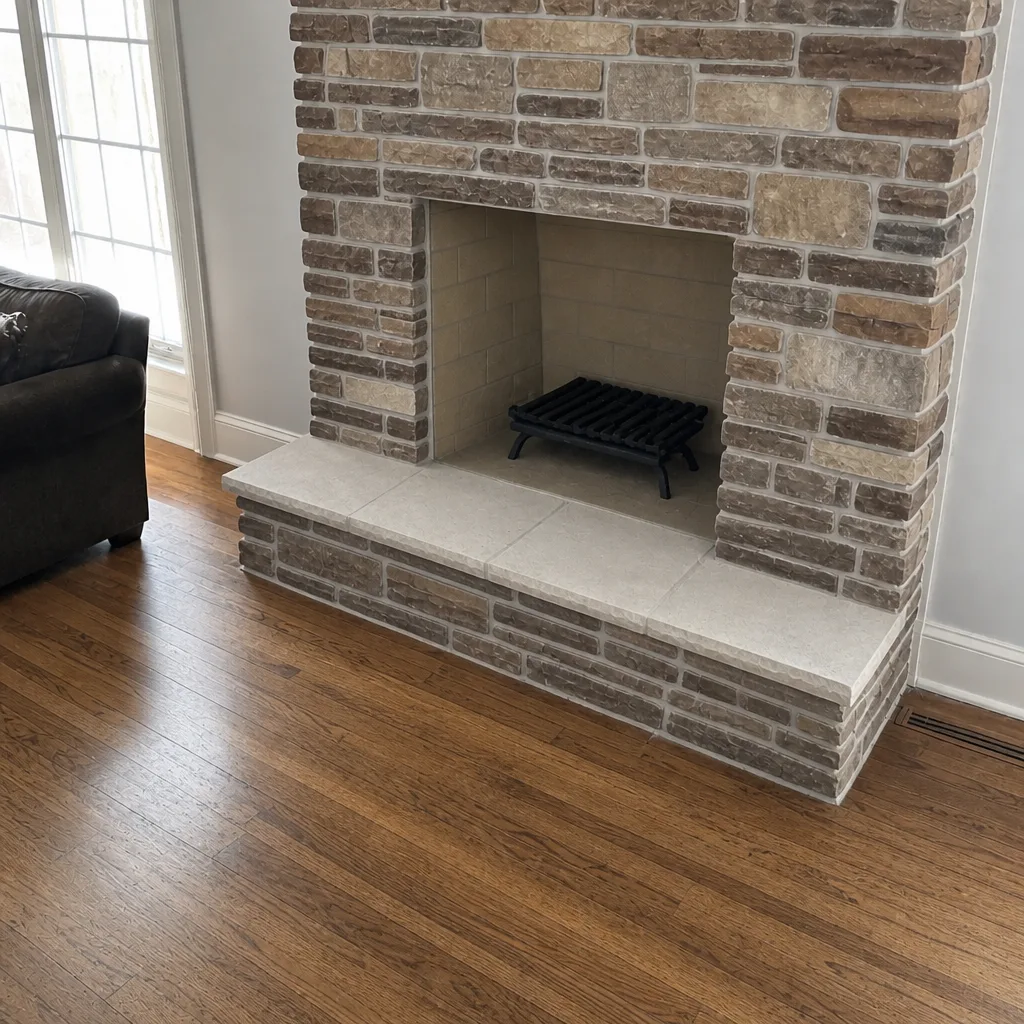
See the difference
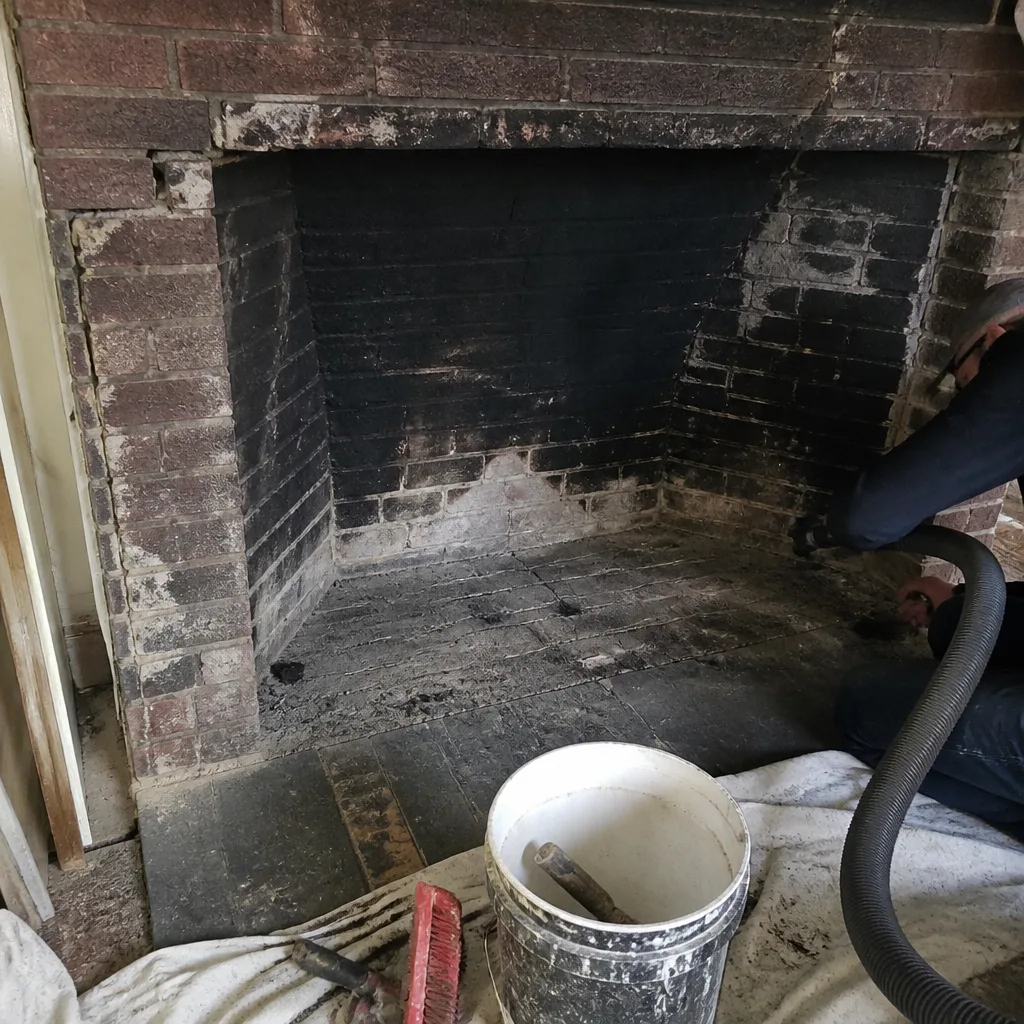 Before
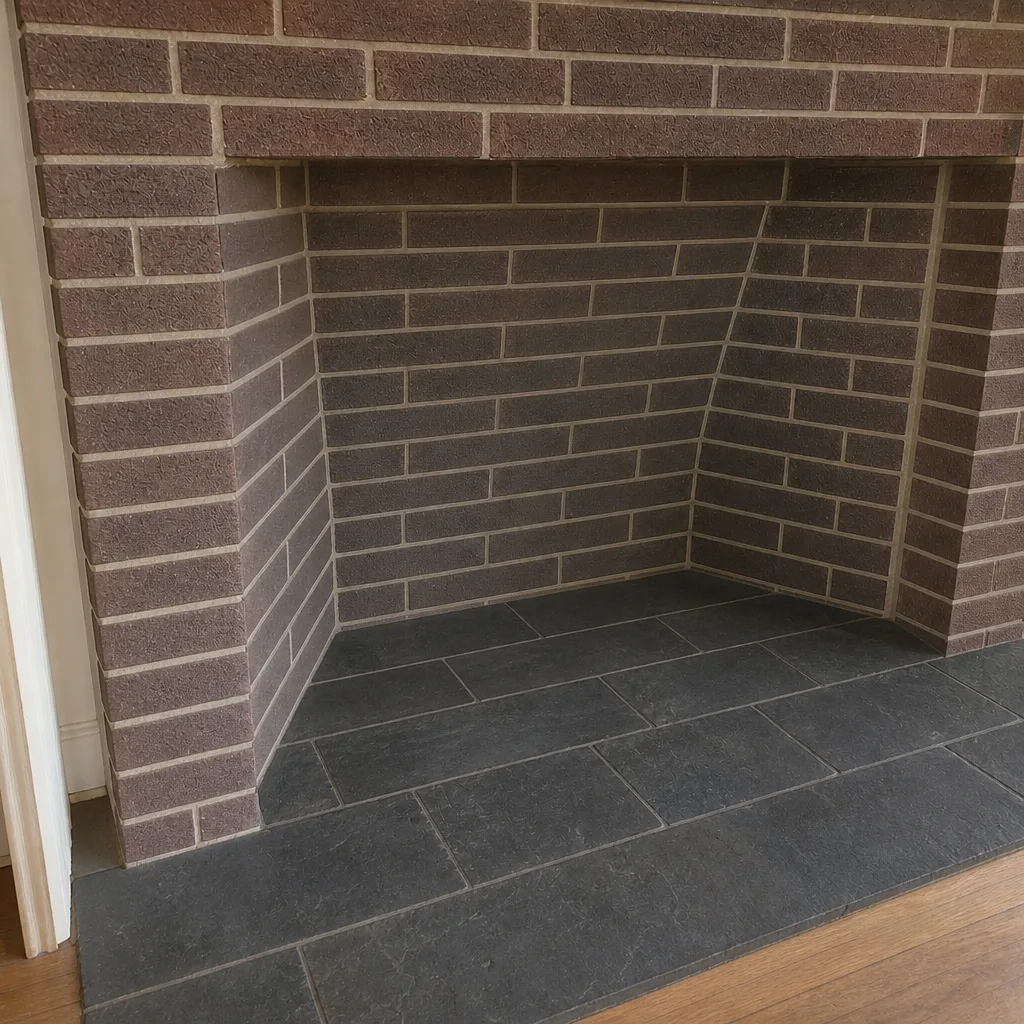 After
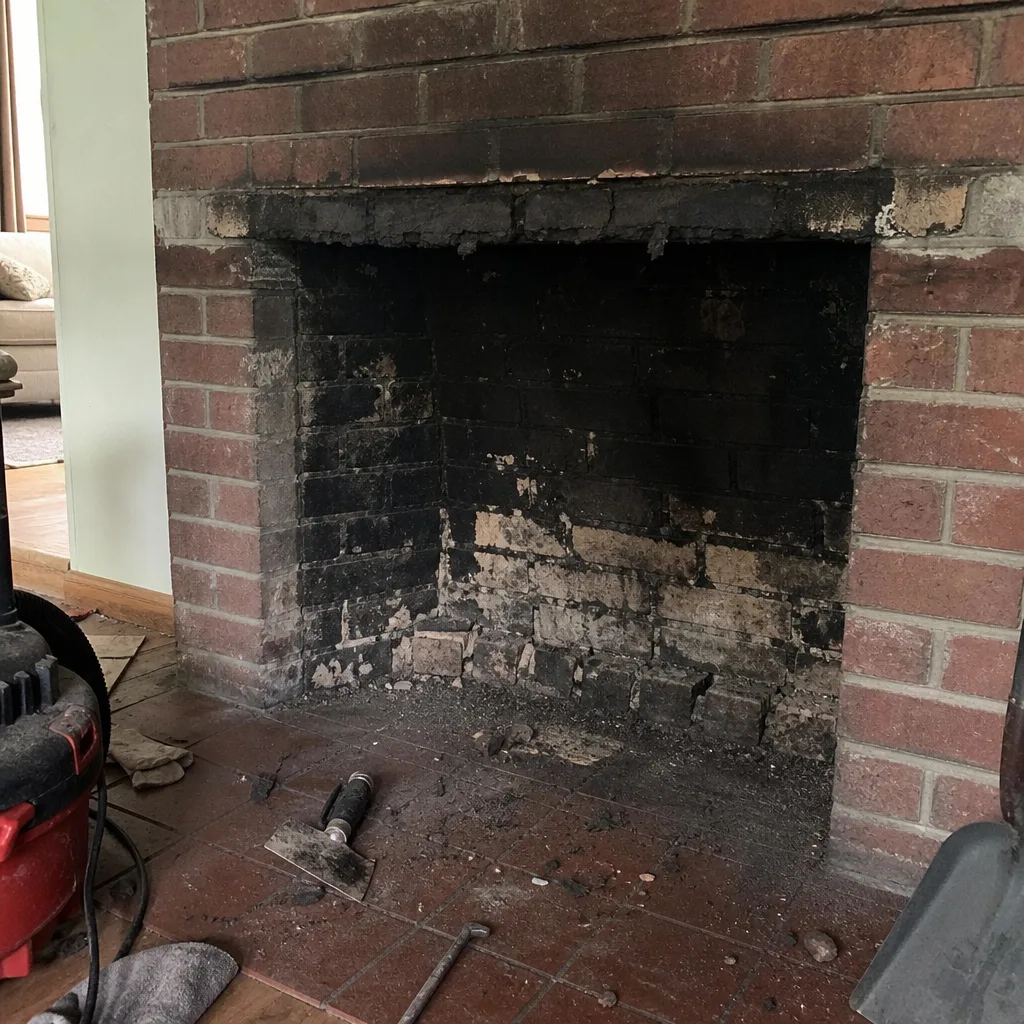 Before
 After
 Before
 After
Frequently Asked Questions
A standard chimney sweep in St. Louis typically runs $180 to $350, depending on the chimney’s height, access, and how much creosote has built up. If you want a Level 2 camera inspection included, that’s usually an additional $150 to $400. The written estimate after an on-site look sets your final price. Call (866) 596-7310 for an exact quote – estimates are free.
A coupon sweep typically covers a single brush pass through the flue and little else – no inspection, no smoke chamber cleaning, no documentation. A complete service includes those parts, which is why the price is higher. Neither is wrong; they’re just different jobs, and it pays to know which one you’re buying.
You need a new liner when the existing liner can no longer contain heat and gases away from the structure – a cracked, spalling, or deteriorated flue. That should never be confirmed by a salesperson’s word alone; ask to see the camera footage or photos of the damage. When a liner truly needs replacing, a DuraFlex flexible liner system is a professional-grade way to reline the flue. When it can safely wait, a straight-talking company will tell you so. Call (866) 596-7310 for an honest assessment and a free estimate.
In some cases, yes. HeatShield resurfacing is a specialized method for restoring cracked or spalling flue tiles from the inside without pulling the whole liner – a repair option most sweep-only companies can’t offer. Whether resurfacing is appropriate depends on the condition of the flue, and that’s something an on-site inspection determines. Call (866) 596-7310 to find out which option fits your chimney.
For regular wood burning, an annual sweep is the standard practice, and it’s the baseline most chimney professionals recommend. In St. Louis, with a full heating season of use, that annual sweep also catches creosote before it hardens into the glazed stage that’s harder to remove. If you burn often or your fire tends to smolder, don’t stretch it. Call (866) 596-7310 to book a sweep.
Creosote builds up in stages, and skipped cleanings let it climb toward glazed, Stage 3 buildup that behaves like a fuel inside your flue – a genuine chimney fire risk. Liner damage and crown cracks also go unnoticed without an inspection, and those can let carbon monoxide and heat reach parts of the house they shouldn’t. You can’t see inside your own flue, which is why the inspection exists. Call (866) 596-7310 for a sweep and inspection.
The Bottom Line
Chimney cleaning in St. Louis isn’t a single number – it’s a set of services with real differences in scope, and the entry price hides most of them. A basic sweep is a few hundred dollars. The inspection that protects your home is a modest add. The repairs that follow deferred maintenance are where the big bills live, and they’re exactly what a routine cleaning and a sharp-eyed inspection are meant to prevent. Read quotes by scope, not headline price. Ask which product and method a repair uses. Ask to see the evidence for any recommendation, and expect to be told plainly when work can wait. That’s how you spend the sensible amount and skip the expensive surprise. We do all three – sweep, inspect, and repair – so there’s one accountable source from cap to firebox.
Ready to book a sweep or a repair? Call (866) 596-7310 for a free estimate. We answer 24/7. Fast dispatch from 7am to 7pm, Sunday through Friday.
Written by the team at Hawk Chimney Sweep.